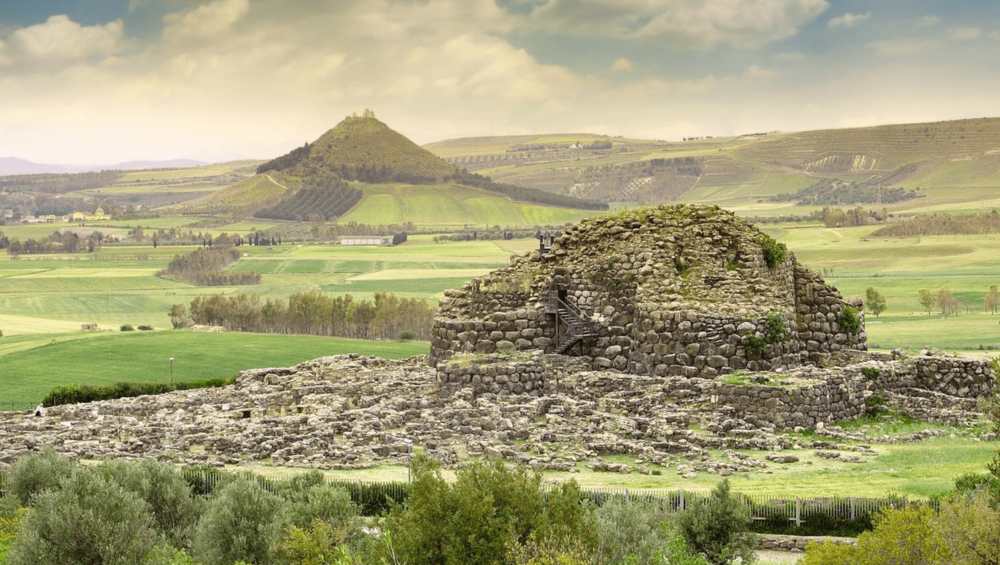
Nuraghe and valley, history of Sardinia with Dranexperience.com

Uncovering the Enigmatic Past: A Journey Through the Fascinating History of Sardinia

Sardinia is out of time and history

Step back in time and embark on a captivating journey through the enigmatic past of Sardinia. This alluring island, located in the heart of the Mediterranean, boasts a rich and storied history that has fascinated explorers, archaeologists, and historians for centuries.

From prehistoric Nuragic settlements to the conquests of the Phoenicians, Romans, and Vandals, the history of Sardinia spans thousands of years and holds countless hidden treasures waiting to be discovered. As you delve into this intriguing narrative, you’ll uncover ancient ruins, mysterious monuments, and intricate artifacts that shed light on the island’s past civilizations.

Discover the compelling tales of Sardinia’s legendary warrior queens and fearless seafarers who conquered Mediterranean shores. Explore the labyrinthine Nuragic complexes, marvel at the impeccably preserved Roman theaters, and wander through medieval castles that stand as silent witnesses to bygone eras.

Immersing yourself in Sardinia’s history is not just a window into the past; it’s a chance to understand the island’s unique culture and traditions that endure to this day. So, join us on this enthralling journey as we unearth the secrets of Sardinia’s captivating history and discover the threads that connect its past to the present.

Are you looking for a local guide for a multi-day historical tour? Take a look at this page

PREHISTORIC SARDINIA: NURAGIC CIVILIZATION AND MEGALITHIC STRUCTURES

The history of Sardinia begins in the mists of prehistory, with the enigmatic Nuragic civilization. The Nuragic people, who inhabited the island from around 1800 BC to 238 BC, left behind a legacy of impressive stone structures that continue to puzzle archaeologists to this day. These megalithic constructions, known as Nuraghe, are unique to Sardinia and serve as a testament to the advanced engineering skills of the ancient inhabitants.

The Nuragic complexes consist of central towers surrounded by smaller towers, with intricate corridors and chambers. These structures were likely used for various purposes, including defensive fortifications, religious rituals, and social gatherings. As you explore these ancient sites, such as Su Nuraxi in Barumini or Santu Antine in Torralba, you’ll be transported back in time, marveling at the ingenuity of the Nuragic civilization.

The megalithic structures of Sardinia are not limited to the Nuragic period. The island is also home to numerous dolmens, menhirs, and sacred wells, which further enrich the archaeological landscape. These ancient monuments, scattered across the island, provide a glimpse into the spiritual beliefs and cultural practices of Sardinia’s early inhabitants, connecting us to a distant past. One of the best way to explore the prehistoric of Sardinia is to book a tour with us, between Nuraghe, tombs, necropolis and the ancient life of Nuragic people.

One of the best ways to explore the prehistory of Sardinia is to book a tour with us, among Nuraghi, tombs, necropolis and the ancient life of the Nuragic people.

PHOENICIAN AND CARTHAGINIAN INFLUENCE ON SARDINIA

In the 9th century BC, Sardinia became a strategic outpost for the Phoenicians, who established trading colonies along the island’s coasts. This marked the beginning of a new chapter in Sardinia’s history, as the Phoenician influence spread throughout the island. The Phoenicians brought with them their advanced maritime skills, trading networks, and cultural practices, leaving an indelible mark on Sardinian society.

The Carthaginians, a powerful civilization descended from the Phoenicians, later took control of Sardinia. During this period, the island became a crucial hub for trade in the Mediterranean, with its rich mineral resources and strategic location attracting the attention of various powers.

While the Phoenician and Carthaginian presence in Sardinia may have been marked by conflict and conquest, it also brought new technologies, agricultural practices, and cultural exchanges. The legacy of these ancient civilizations can still be seen in Sardinia’s language, art, and architecture, reminding us of the island’s enduring connection to its past.

THE IMPORTANCE OF SARDINIA IN THE ROMAN EMPIRE

In 238 BC, Sardinia fell under Roman rule, marking the beginning of a new era for the island. The Romans recognized the strategic importance of Sardinia, using it as a crucial base for their military campaigns in the Mediterranean. The island’s rich agricultural resources, particularly its grain production, made it a vital asset for feeding the growing Roman Empire.

During the Roman period, Sardinia experienced significant development and urbanization. The Romans built impressive infrastructure, such as aqueducts, roads, and bridges, transforming the island’s landscape. The well-preserved Roman theaters in Nora and Tharros stand as testaments to the grandeur of Roman architecture and the importance of entertainment in ancient Sardinian society.

Sardinia’s strategic location also made it a melting pot of cultures and a center for trade, attracting merchants and settlers from across the Mediterranean. The island’s position as a crossroads between East and West fostered cultural exchanges and the assimilation of diverse influences, shaping Sardinia’s unique identity.

BYZANTINE RULE AND THE RISE OF CHRISTIANITY IN SARDINIA

With the decline of the Roman Empire, Sardinia came under Byzantine rule in the 6th century AD. The Byzantines brought with them Christianity, which gradually replaced the island’s previous pagan beliefs. Churches and monasteries were established, leaving behind a rich legacy of religious art and architecture.

The Byzantine period in Sardinia was marked by political instability and conflicts with various invaders, including the Vandals and the Saracens. These invasions disrupted the island’s cultural and economic development, but also contributed to its rich tapestry of influences.

Despite the challenges, Sardinia managed to preserve its Christian traditions, with many ancient churches still standing today. Visiting the stunning Basilica of San Gavino in Porto Torres or the Cathedral of Santa Maria in Cagliari allows you to witness the island’s deep-rooted religious heritage and admire the masterful craftsmanship of the Byzantine artisans.

ELEANORA OF ARBOREA IN THE XIV CENTURY

Eleanora d’Arborea was a significant figure in the history of medieval Sardinia. She was a regent and judge (giudicessa) of Arborea, one of the four Giudicati (judicial kingdoms) of the island during the period of the Giudicati in Sardinia, characterized by the rule of independent judges or sovereigns.

Born around 1347 and passing away in 1404, Eleonora d’Arborea is chiefly remembered for her leadership during the 14th century. She is particularly renowned for drafting the Carta de Logu in 1392, a crucial legal code that guaranteed rights and freedoms to the Sardinian people. This statute proved pivotal in the island’s history, influencing Sardinia’s legal and social system for many centuries.

Eleonora d’Arborea defended the independence and sovereignty of her land from external influences. She fought to protect the territory of Arborea from the interests of neighboring kingdoms, including the Kingdom of Aragon. Her legacy endures in Sardinian history as a symbol of courage, independence, and advocacy for the rights of the Sardinian people before the Spanish domination.

THE SPANISH DOMINATION

In the 14th century, Sardinia came under the rule of the Crown of Aragon, ushering in a new era of Spanish domination. The Spanish influence on the island was profound, shaping its language, culture, and institutions. The Kingdom of Sardinia was established, and the island became a strategic stronghold for the Spanish Empire in the Mediterranean.

During this period, Sardinia experienced a flourishing of arts and architecture, with the Spanish nobility commissioning grand palaces and churches. The impressive Alghero Cathedral, with its Catalan-Gothic style, is a testament to this period of artistic patronage.

Spanish rule in Sardinia lasted for several centuries, leaving an indelible mark on the island’s traditions and customs. The legacy of the Spanish period can still be seen in Sardinia’s unique blend of Italian and Catalan influences, its vibrant festivals, and its distinct dialects. Explore Alghero’Old Town to understand better the Catalan influence, between rampant, walls, towers, traditions and local dishes. 

SARDINIA’ROLE IN THE NAPOLEONIC ERA

In the early 19th century, Sardinia played a pivotal role in the tumultuous events that shaped the modern Italian nation. The island became a refuge for exiled Italian patriots, who sought to unite the fragmented Italian states under a single nation. Sardinia’s strategic location made it an ideal base for planning and organizing the Risorgimento, the Italian unification movement.

The Kingdom of Sardinia, led by the House of Savoy, became the driving force behind the unification process. Sardinian troops, under the command of King Victor Emmanuel II, played a crucial role in the Italian Wars of Independence, which eventually led to the establishment of a unified Italy in 1861.

Sardinia’s contribution to the unification of Italy is commemorated in various monuments and museums across the island. The Risorgimento Museum in Cagliari, for example, showcases artifacts and documents that shed light on this pivotal period in Italian history.

SARDINIA IN THE WORLD WARS

Like the rest of Italy, Sardinia was not immune to the turmoil of the 20th century. During World War I, the island served as a strategic military base for the Italian forces, and its ports played a crucial role in supplying the front lines. The scars of war can still be seen in the numerous military fortifications and bunkers that dot the coastline.

World War II brought further hardship to Sardinia, as the island became a target for Allied bombings due to its strategic location. Despite the destruction and loss of life, Sardinia played a role in the liberation of Italy, with Italian partisans and Allied forces launching operations from the island.

In the post-war period, Sardinia experienced economic and social transformations. The island’s economy shifted from agriculture to industry, and tourism began to emerge as a key sector. Today, Sardinia is known for its pristine beaches, crystal-clear waters, and vibrant cultural festivals, attracting visitors from around the world.

CULTURAL HERITAGE AND TRADITIONS IN SARDINIA

Immersing yourself in Sardinia’s history is not just a window into the past; it’s a chance to understand the island’s unique culture and traditions that endure to this day. Sardinia’s rich cultural heritage is expressed through its language, music, dance, and gastronomy.

The Sardinian language, known as Sardu, is distinct from Italian and has several regional variations. It is considered one of the oldest Romance languages, with roots in both Latin and the ancient Nuragic civilization. Listening to traditional Sardinian songs, such as the hauntingly beautiful “Cantu a Tenore” or the lively “Ballu Tundu,” allows you to experience the island’s rich musical heritage.

Sardinia’s traditional festivals and religious processions are vibrant expressions of the island’s cultural identity. From the elaborate costumes and masks of the Carnival of Oristano to the solemn rituals of the Holy Week in Cagliari, these celebrations showcase the deep-rooted traditions that have been passed down through generations.

Sardinian cuisine is a reflection of the island’s history and geography, with influences from various Mediterranean cultures. From the hearty pasta dishes, such as malloreddus and culurgiones, to the succulent roasted meats and seafood specialties, Sardinian cuisine offers a gastronomic journey through the island’s flavors and traditions.

CONCLUSION: SARDINIA’S RICH HISTORY AND ITS IMPACT ON THE PRESENT

As we conclude this captivating journey through the history of Sardinia, we realize that the island’s past is not just a distant memory confined to ancient ruins and artifacts. Sardinia’s rich history has shaped its present, leaving an enduring legacy that can be seen in its language, architecture, traditions, and cultural identity.

By immersing ourselves in the enigmatic past of Sardinia, we gain a deeper understanding of the island’s unique character and the threads that connect its ancient civilizations to the present. Whether exploring the megalithic Nuragic structures, marveling at the grandeur of Roman theaters, or participating in vibrant cultural festivals, Sardinia invites us to embark on a journey of discovery, where the past and the present merge in a timeless dance. So, come and uncover the secrets of Sardinia’s captivating history, and let the island’s enigmatic past leave an indelible mark on your soul.

Would you like to explore the history of Sardinia in an Exclusive multiday tour with a private guide? Contact us for a quote. Would you like to explore the history of Sardinia on an exclusive multi-day tour with a private guide? Contact us for a quote.
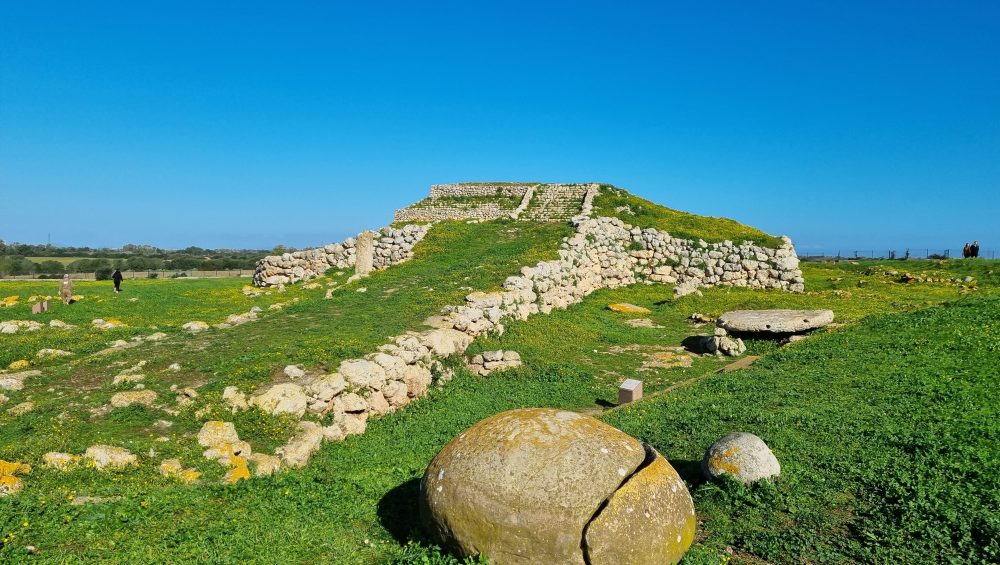
Monte D'Accoddi, Tour Sardinia with Dranexperience.com

Uncover the Enchanting Beauty of Sardinia: A Comprehensive Tour Guide

Sardinia is something else. Enchanting spaces and distances to travel

Are you ready to embark on a journey to one of Europe’s hidden gems? Welcome to Sardinia, a captivating island in the heart of the Mediterranean. Known for its pristine beaches, crystal-clear waters, and rich cultural heritage, Sardinia offers a truly enchanting experience for travelers seeking a unique escape. In our comprehensive tour Sardinia guide, we will take you on a virtual adventure, unraveling the secrets and marvels of this picturesque island. From exploring ancient Nuragic ruins to indulging in authentic local cuisine, Sardinia has something to offer for every type of traveler.

As you explore this enchanting island, you’ll discover a world of breathtaking beauty, from the dramatic cliffs of the west coast to the untouched wilderness of the Gennargentu National Park. Immerse yourself in the island’s fascinating history as you wander through charming cobblestone streets and visit medieval towns steeped in ancient traditions. Whether you’re a sun-seeking beach lover, an avid hiker, or a history enthusiast, Sardinia promises an unforgettable adventure.

Looking for a private tour guide in Sardinia? Take a look this page

GEOGRAPHY AND CLIMATE OF SARDINIA

Sardinia is the second-largest island in the Mediterranean, Sardinia,  boasts a diverse landscape that ranges from rugged mountains to pristine coastlines. The island is divided into different sub-region and ach region offers its own unique charm and natural beauty.

Climate in Sardinia is Mediterranean, with hot, dry summers and mild winters. The island enjoys an average of 300 days of sunshine per year, making it an ideal destination for beach lovers. The coastal areas experience a refreshing sea breeze, while the inland regions offer a cooler and more mountainous climate, this is a paradise for outdoor enthusiasts and Sardinia’s natural wonders are waiting to be explored.

BEST TIME TO VISIT SARDINIA

Sardinia can be enjoyed year-round, but the best time to visit depends on your preferences and interests. The summer months from June to September are ideal for beach lovers, with temperatures averaging around 30°C (86°F) and long hours of sunshine. If you’re interested in outdoor activities and hiking, the spring and autumn months are the best time to visit. The weather is mild, and the landscapes come alive with blooming flowers and greenery.

For those looking to immerse themselves in Sardinia’s Tour cultural traditions, consider visiting during one of the many festivals that take place throughout the year. From religious processions during Easter to colorful carnivals during Carnival, passing through the amazing Christmas time (read our last article about Christmas in Sardinia too), these events offer a unique insight into the island’s rich heritage.

ATTRACTIONS IN SARDINIA

This location is home to numerous attractions that will leave you in awe of its beauty and cultural heritage. One of the most popular destinations on the island is the Costa Smeralda, known for its luxurious resorts, pristine beaches, and vibrant nightlife. Take a stroll along the marina and indulge in some high-end shopping, or simply relax on the white sandy beaches and soak up the sun.

Another highlight of Sardinia is the archipelago of La Maddalena, a protected national park consisting of seven main islands and numerous smaller islets. Explore the crystal-clear waters, go snorkeling or diving, and discover the hidden treasures of this marine paradise.

For history buffs, a visit to one of the 7000 ancient Nuragic ruins is a must. These mysterious stone structures, dating back to the Bronze Age, are unique to Sardinia and offer a glimpse into the island’s ancient past. The UNESCO World Heritage site of Su Nuraxi in Barumini is a particularly impressive example, showcasing the architectural prowess of the Nuragic civilization. But Sardinia is also

  • Beaches in Sardinia : Sardinia’s beaches are a product of the island’s geological history, as well as the ongoing processes of erosion and deposition. The beaches are constantly changing, reflecting the dynamic nature of the island’s geology, anyway,  Sardinia is renowned for its stunning beaches, which are considered some of the best in Europe. From secluded coves to long stretches of sandy shores, the island offers a wide variety of coastal landscapes for beach lovers to enjoy. The north east coast, with its turquoise waters and golden sands, is undoubtedly one of the most popular beach destinations in Sardinia. If you prefer a more rugged and untouched beach experience, make your way to the Costa Verde in the southwest or Nurra in the North West. Here, you’ll find long stretches of sandy dunes and wild landscapes that are perfect for those seeking tranquility and seclusion. More information about beaches in Sardinia just take a look this link.
  • Sardinian cuisine and traditional dishes: No trip to Sardinia would be complete without indulging in the island’s rich culinary traditions. Sardinian cuisine is a reflection of its history and geography, with influences from the Mediterranean, Italian, and Spanish cuisines. In this “Guide Sardinia” we also talk about it. One of the most iconic dishes of Sardinia is “porceddu,” a whole roasted suckling pig that is cooked until tender and crispy. This traditional dish is often enjoyed during festive occasions and is a true delicacy of the island.

    Seafood lovers will be delighted by the abundance of fresh fish and shellfish available in Sardinia. Try the “fregola ai frutti di mare,” a flavorful dish made with small balls of pasta and a medley of seafood, or the “bottarga from Cabras,” a cured fish roe that is grated over pasta or served as an appetizer.

    Cheese enthusiasts will be in for a treat with the variety of Sardinian cheeses available. The most famous is the “pecorino sardo“, a hard cheese made from sheep’s milk that has a nutty and slightly salty flavor. Pair it with some traditional Sardinian bread, known as “pane carasau,” for a delicious snack. Live an amazing Cooking Experience with us choosing this tour.

  • Outdoor Excursions: Tours in Sardinia:  Island’s diverse landscape and favorable climate make it an ideal destination for outdoor activities. Whether you’re an adrenaline junkie or a nature lover, the island offers a multitude of options to satisfy your adventurous spirit. Hiking enthusiasts will find an abundance of trails to explore, ranging from easy coastal walks to challenging mountain treks. The Supramonte mountain range in the east is a popular destination for hikers, offering breathtaking views of deep gorges and rugged cliffs. Water sports enthusiasts will be spoiled for choice in Sardinia. The island’s crystal-clear waters are perfect for snorkeling, diving, windsurfing, and sailing. Explore the underwater world filled with colorful marine life, or feel the rush of adrenaline as you catch the wind on a windsurfing board. If you prefer a more relaxed outdoor experience, why not take a leisurely bike ride through the scenic countryside? Explore charming villages, ancient ruins, and vineyards, and immerse yourself in the island’s natural beauty. The Wild Beaches & Snorkeling Tour in Sardinia , with a guide from Sardinia specializes in Marine Biology, is one of our most popular activity during the summer, read details and costs here, we are waiting for you.
 
  • Cultural historical sites in Sardinia: Sardinia’ rich history and cultural heritage can be witnessed through its numerous archaeological sites, museums, and traditional villages. The island’s ancient past is evident in the ruins of Nuragic settlements, Roman amphitheaters, and medieval castles that dot the landscape. Visit the ancient city of Tharros on the western coast, where you can explore the well-preserved ruins of a Phoenician and Roman city. Marvel at the mosaic floors, temples, and amphitheaters that have stood the test of time. The best historical tours in Sardinia is by a custom itinerary, contact us for more information In the heart of Sardinia, you’ll find the charming town of Orgosolo, known for its colorful murals that depict scenes from Sardinian history and culture. Take a stroll through the narrow streets adorned with vibrant artwork and immerse yourself in the island’s artistic traditions. For a glimpse into Sardinia’s maritime history, visit the picturesque town of Bosa, home to a medieval castle and a maze of colorful houses along the river Temo. Explore the narrow alleys, taste the local wines, and soak in the laid-back atmosphere of this hidden gem. The southwest of Sardinia has a fascinating mine history to be explored.

  • Festivals and Events in Sardinia: Sardinia is known for its vibrant festivals and events that celebrate the island’s traditions and cultural heritage. From religious processions to colorful carnivals, there’s always something happening throughout the year.

    One of the most famous festivals in Sardinia is the “Sartiglia” in Oristano. This equestrian event takes place during Carnival and features masked horsemen performing daring acrobatics and jousting competitions. The spectacle attracts locals and tourists alike and is a true testament to the island’s equestrian traditions. During the summer months, many towns and villages come alive with traditional festivals known as “sagre”. These events celebrate local produce, such as cheese, wine, and seafood, and offer a unique opportunity to taste authentic Sardinian cuisine. One of the most popular summer festivals is the “Cavalcata Sarda” in Sassari, where locals dress in traditional costumes and parade through the streets on horseback. The event showcases Sardinia’s proud equestrian heritage and is a sight to behold. A more extensive guide to events in Sardinia can be viewed displayed on this page.

CONCLUSIONS AND FINAL THOUGHTS

Sardinia is a true gem in the Mediterranean, offering a perfect blend of natural beauty, rich history, and cultural traditions. Whether you’re seeking relaxation on pristine beaches, adventure in the great outdoors, or a journey through time and ancient civilizations, Sardinia has it all.

As you explore the enchanting beauty of this island, be prepared to be captivated by its stunning landscapes, indulge in delicious cuisine, and immerse yourself in its fascinating history. Sardinia is a destination that will leave a lasting impression, and once you’ve experienced its charm, you’ll undoubtedly be planning your return.

So pack your bags, contact us and prepare for an unforgettable adventure letting the enchanting beauty of Sardinia will take your breath away.

Experience a Winter Wonderland in Sardinia: Embrace the Warmth of Christmas

Christmas waves a magic wand over this world, and behold, everything is softer and more beautiful

Step into a winter wonderland in Sardinia and immerse yourself in the magical allure of the festive season. Experience the charm of this stunning Mediterranean island as it transforms into a Christmas paradise filled with warmth and splendor: From dazzling decorations to joyful events, Sardinia offers a unique holiday experience that will leave you enchanted.

Embrace the festive spirit as you wander through the picturesque towns adorned with twinkling lights and beautifully decorated Christmas trees. The air is filled with the scent of roasted chestnuts and delicious traditional treats, inviting you to savor the best of local cuisine. Immerse yourself in the vibrant atmosphere as locals gather to celebrate Christmas through lively street festivals, enchanting nativity scenes, and mesmerizing light displays.

With its mild winter climate, Sardinia allows for outdoor activities amidst breathtaking natural landscapes. Explore its rugged coastline, hike through lush mountain trails, or simply relax in some authentic cooking experience, all while enjoying the spirit of the season.

Indulge in the warmth and splendor of Christmas in Sardinia, where traditions blend with natural beauty, creating a truly unforgettable holiday experience.

WINTER IN SARDINIA: A UNIQUE EXPERIENCE

Sardinia, known for its idyllic beaches and crystal-clear waters, is not typically associated with winter vacations. However, visiting during the winter months offers a unique and enchanting experience, however, the island takes on a completely different character, as festive decorations and joyful events fill the streets and towns.

As you explore the island, you’ll be captivated by the charm and beauty of the winter landscapes. From snow-capped mountains to quaint villages, Sardinia’s winter scenery is truly breathtaking and whether you’re an avid hiker or simply enjoy leisurely walks, there are countless trails and paths to explore, offering stunning views at every turn. 

Christmas in Sardinia is a time of joy and celebration, and the island truly comes alive during this magical season. The towns and villages are adorned with twinkling lights, creating a cozy and welcoming atmosphere. Beautifully decorated Christmas trees can be found in every corner, adding to the festive charm.

One of the highlights of Christmas in Sardinia is the traditional nativity scenes, known as “presepi” that displays depict the birth of Jesus and are often accompanied by live performances and music. The presepi can be found in churches, public squares, and even private homes, showcasing the deep-rooted tradition and religious significance of Christmas in Sardinia. Another must-see during the festive season is the mesmerizing light displays that illuminate the streets and buildings: From vibrant colors to sparkling designs, these lights create a magical ambiance that enchants both locals and visitors alike.

TRADITIONAL CHRISTMAS MARKETS, EVENTS AND LOCAL PRODUCTS

No Christmas experience would be complete without visiting the traditional markets and events that take place throughout Sardinia. These markets offer a unique opportunity to immerse yourself in the local culture and traditions while finding the perfect gifts and souvenirs.

The Christmas markets are filled with a wide variety of products, from handmade crafts to delicious local delicacies. Explore the stalls and discover unique items that reflect the island’s rich heritage and craftsmanship, from intricate ceramics to traditional textiles, there’s something for everyone.

In addition to the markets, Sardinia hosts various festive events during the holiday season. From live music performances to theatrical shows, these events showcase the island’s vibrant arts scene, just join in the celebrations and experience the joy and excitement of Christmas in Sardinia.

Looking for some local product? The island’s cuisine is a reflection of its rich history and cultural heritage, and Christmas is the perfect time to savor these flavors. One of the most beloved treats during Christmas in Sardinia is “porceddu,” a succulent roasted suckling pig. This dish is typically served during special occasions and is a symbol of celebration and togetherness. The traditional Sardinian sweets consumed during the Christmas holidays are numerous and vary from area to area. Among the most well-known are nougat, mostaccioli, pan’e saba, almond cake, dried fruits, raisins, sweet blood sausage, and so on. Well, experience the flavors of Sardinia by indulging in this delicious and unique culinary delight, it’s just a must.

WINTER LANDSCAPES, ACTIVITIES AND ATTRACTIONS IN SARDINIA

While Sardinia is known for its stunning beaches, the winter season offers a different kind of beauty. The island’s landscapes transform into a winter wonderland, with snow-capped mountains and lush forests and for nature enthusiasts, this is the perfect time to explore Sardinia’s diverse terrain.

Hiking is a popular activity during the winter months, as the cooler temperatures make it more comfortable to explore the trails. Whether you’re a beginner or an experienced hiker, there are routes suitable for all levels, from coastal paths with breathtaking views to mountainous trails that lead to hidden gems, Sardinia has it all. We, as DRAN Experience, have a lot to offer during this season: take a look at this link.

If hiking isn’t your thing, you can still appreciate the natural beauty of Sardinia by taking a scenic drive along the coastal roads. Marvel at the rugged cliffs and azure waters as you make your way from one charming village to another and don’t forget to stop and take in the panoramic views along the way.

For adrenaline junkies, Sardinia offers opportunities for water sports such as surfing and kiteboarding even because the winter winds create the perfect conditions for these activities, allowing you to experience the thrill of riding the waves in a stunning setting.

If relaxation is what you’re after, Sardinia has an abundance of wellness centers and spas where you can unwind and rejuvenate, you can also try some amazing and authentic experience like Cooking Class and wine tasting during your stay.

Finally, in addition to the festive celebrations and natural landscapes, Sardinia offers a wide range of winter activities and attractions to keep you entertained throughout your stay. Whether you’re seeking adventure or relaxation, there’s something for everyone.

PLANNING YOUR GETAWAY TO SARDINIA

When planning your winter getaway to Sardinia, there are a few things to consider to ensure a smooth and enjoyable trip. Firstly, pack layers of clothing to accommodate the fluctuating temperatures. While the days may be mild, the evenings can be chilly, especially in the mountainous areas.

It’s also worth noting that some attractions and restaurants may have limited opening hours during the winter season and consider renting a car to explore the island at your own pace. This will allow you to visit remote villages and access the more secluded beaches and hiking trails, plus, the scenic drives offer breathtaking views that you won’t want to miss.

Plan your itinerary accordingly or contact some local expert and designer like Travel Planner Family.

Botti del vino | degustazione vini ad Alghero con Dranexperience.com

The best wine tasting in Alghero

The best thing about the wine is that, for the next 2 ours, your problems are not your anymore

Are you curious to visit a local winery where thousands of bottles are produced every year according to an ancient tradition? Under the Sardinian sun, in the shade of Alghero and surrounded by vineyards and olive trees, you will find out more about the story of a local winery. This winery has been producing wine for dozens of years and this will be one of the most exciting tours focus on the Alghero’s nature, as well as wine tasting tour. After the visit, a local guide will take you near Capo Caccia, where a panoramic walk will show you amazing places, between coves, cliffs, the Mediterranean scrub, in front of the sunset.

#1 ONE WINERY, ONE STORY

A big chance to discover the wine processing behind the tradition, the history and some legends about this winery and all families that worked with love and passion for many years, making it one of the most popular all over Sardinia Room after room we will understand more about the process, all the wine processing phases, the quality of the land and grapes, the peculiarities and the tradition that leads this wine to be one of the best in Sardinia. Finally, in a relaxing atmosphere, you will have the best wine tasting in Alghero (3 different glasses) discovering the authentic soul of Sardinian wine.

#2 THE WINE AND THE SEA

You will know the history and the reasons why the sea is so important for this winery. You will know the history and the reasons why the sea is so important for this winery. With Akènta Sub, the Sardinian spumante aged under water. The sea is the element that most differentiates Sardinia and makes it what it is: with Akènta Sub, the island helps to create a unique spumante. A limited number of bottles of Akènta spumante wine, produced from a selection of Vermentino di Sardegna DOC grapes, are left to age at a depth of around 40 metres. Thanks to this singular underwater ageing process, l’Akènta becomes Akènta Sub Unique emotion, as Akenta SUB

#3 NATURE AND SUNSET FOR A PERFECT END

Not just a visit and a wine tasting in Alghero, our tour has many new features for you. We will move to Capo Caccia area, a few km from the winery, looking at this place and enjoying the beauty of the area. Cliffs shaped by time overhanging the sea, caves, endemic flora and fauna, fossil-rich limestones and a breathtaking panorama at sunset. The second part of the Wine tour & photo tour will be the story and the view of a high value natural heritage, between nature, history and legends.

#4 QUALITY AND FEEDBACK

We make tours with a mission: promote off-the-beaten path spots in Sardinia through highly emotional guided tours that will leave an imprint to the traveller’s vacation We really want to make a unique experience and for this it is important to make a good relationship with our travellers. You can also take a look at what other travelers say about our service and we currently have just over 70 reviews spread between Google, Tripadvisor and AirBnB. Take a look it.

Take a look Google page for more details. Still thinking what to do? The best wine tasting in Alghero is waiting for you, just find out more visiting our page Wine Tour & Photo Tournèè

Punta Giglio MAPS | cosa vedere ad Alghero con Dranexperience.com

Is Alghero worth visiting? Top 15 must see

La cosa mes beglia de Sassar es la littorina pe l’Alghé.

Translated from the Catalan “The most beautiful thing in Sassari is Alghero”

Alghero, a wonderful city in northwestern Sardinia and one of the most tourist destinations on the island, is a mix of architecture, language, art, food and nature. If you plan a visit to Alghero, take a look at this list of 15 must-see sights:

#1 ALGHERO OLD TOWN

The old town of Alghero is a unique identity heritage in Sardinia and in Italy between civilization, language, history and anthropology. Alghero Vecchia, or Alguer Vella, was the royal city of the Aragonese centuries and is still marked by a Catalan imprint visible from the narrow streets, the architecture and the local daily life. Alghero is not limited to its memory: the surrounding land between nature, archeology and tradition is strongly linked with the ancient of the fortress city. You have 2 ways to see and visit the historic center of Alghero and we will help you:

Our Alghero walking tour is the best way to live the city: We will walk in the labyrinth of narrow streets, among ancient houses that echo the Catalan origins of the city. We will see, from a local craftsman, the working phases of the red coral starting from the visit to the only aquarium in Europe of live Red Coral.

Are you going to explore the area by yourself? No problem, we’re here. You can get, for free, an exclusive brochure of the “Old Town of Alghero” , an important starting point for visiting a muste see and wonderful heritage in a pleasant walk. To get it, just subscribe to our newsletter or contact us directly, Alghero is waiting for you.

Useful Information:

  • How to get there: We remind you that the historic center of Alghero is a ZTL (Limited Traffic Zone) and therefore it is possible to access by vehicle only through a special licence. Here more details Alghero ZTL.
  • Where to park: Parking on the street in Alghero in the central areas is usually paid (delimited by blue lines) according to the following rules: Zone 1 List of streets: Via XX Settembre, Piazza della Mercede, Piazza Sulis, Via La Marmora, Via Catalogna e Via Giovanni XXIII for a fee every day of the year (holidays included) at the following times: from 1/10 to 30/4 from 09,00 to 14,00 and from 16,00 to 20,00 (holidays too); from 1/5 to 30/9 from 09,00 to 14,00 and from 17,00 to 24,00 (holidays included). Zone 2 list of streets: Piazzale in front of “Conchiglia”, Chalet Area , Piazzale “Palafitta”, Area OASIS 1 (square), Area OASIS 2, Zone “Le Bombarde”, Via Lido, paid from 01.06 to 30.09 (holidays included) from 09,00 to 21,00; Piazzale della Pace it is payable from 1/5 to 30/9 from 09.00 to 24.00 (holidays included)

#2 MACOR – RED CORAL MUSEUM

Alghero there are 2 great sights to visit that will allow you to understand even more how Red Coral is, and has been over the decades, important for the local people and for the economy of all of Sardinia. Corallium Rubrum (Mediterranean red coral) is an integral part of the identity, history and nature of Alghero. Legends, tales and mysteries link this animal, for a long time confused for a vegetable, to the Catalan city of Sardinia. You can find out more visiting MACOR – Red Coral Museum, on a fascinating journey through the history of the red heart of Alghero, to discover this precious gift of the Mediterranean Sea

Useful Information:

  • How to get there:

    In the surroundings of the historic centre, you can easily reach the Museum via the main public transport systems. Here is the link. Of the location on Google Maps.

  • Hours: The Red Coral Museum is open at the following times: Monday CLOSED Tuesday10:00 – 13:00 | 14:30 – 17:30 Wednesday 16:00 – 19:00 Thursday10:00 – 13:00 Friday10:00 – 13:00 | 16:00 – 19:00 Saturday10:00 – 13:00 | 16:00 – 19:00 Sunday10:00 – 13:00 | 16:00 – 19:00

  • Cost: € 5,00 (per adult) or take Alghero Ticket to visit all must see sights in Alghero

#3 ACQUARIUM RUBRUM

You can discover the Red Coral inside the Museum but how about seeing it…alive? Well, know that in Alghero there is the first live Red Coral Aquarium in Europe. Is it not a wonderful must see sight to visit in Alghero? An exciting 50-minute journey on a guided tour, in the habitat of the most precious coral in the world: the Alghero red coral. You will discover the biology, the distribution, the habitat but also a fantastic marine world made up of further centenary specimens such as the Black Coral, the unobtainable O.Paddeui, life in the coral reef and many curiosities that will make you fall in love with this highly protected species .

Useful Information:

  • How to get there:The aquarium is located inside the Torre San Giacomo, along the ramparts.
  • Hours: The acquariumit is open only and exclusively with 2 daily guided tours in the period from 01/05/23 to 15/10/23 at 09:00 and 19:00. From 16/10/23 to 30/04/23 at 17:00.

  • Cost: € 5,00 per person

Alghero: The Red Coral town

#4 MUSA – ARCHAEOLOGICAL MUSEUM

A wonderful museum, which preserves and communicates the cultural and historical memory of the city of Alghero through finds attributable to the first human settlements in the area, from the Neolithic to the Middle Ages, discovered during urban excavations and outside the town.

Useful Information:

  • How to get there: In the surroundings of the historic centre, you can easily reach the Museum via the main public transport systems. Here is the link. about the location on Google Maps.
  • Hours: The Archaeological Museum is open at the following times: Monday: 10:00 – 13:00 | 14:30 – 17:30 Tuesday: CHIUSO Wednesday: 10:00 – 13:00 Thursday: 16:00 – 19:00 Friday: 10:00 – 13:00 | 16:00 – 19:00 Saturday: 10:00 – 13:00 | 16:00 – 19:00 Sunday: 10:00 – 13:00 | 16:00 – 19:00

  • Cost: € 5,00 per person or take a look Alghero Ticket , an amazing experience to visit different Alghero must see with one click

#5 BEACHES

We know very well how the beaches and the sea in Sardinia are the main attractions and for this reason it is important to enter and see in Alghero what are some of the most beautiful beaches in Sardinia. This small list includes some of them, many are easily accessible by car and have a nearby car park, in other cases you have to make a small journey on foot. It goes without saying that in case you want to discover and see remote beaches with white sand, crystal clear sea, stretches of coast with breathtaking views, I suggest you take a look at our Wild Beaches & Snorkeling Tour, all together in this great tour. Back to us, the most important factors for choosing a beach are parking, services, exposure to the wind and popularity. Here is a list that will be important for choosing your beach in Alghero:

Maria Pia Beach:

This wonderful beach is located along the coast from Alghero towards Fertilia. For me it’s one of the most beautiful beaches , located in the city, in Sardinia and in optimal weather conditions it represents a real paradise. To see the color of the crystalline water, the fine white sand and all in a coastal outline, but not only, behind the beautiful dunes with Mediterranean scrub.

  • PROS:: Easily reachable on foot even from the center of Alghero (about 35 minutes), it has services of all kinds from small kiosks to bathing facilities; The sand is very white and fine; particularly suitable for families and children; possibility of paid parking 20 meters from the beach; it has a magnificent pine forest where it is pleasant to have a picnic especially during the hottest hours.
  • CONS: Despite being a small town, it is possible to find your place even in the most touristic months such as July and August, but you have to go early in the morning especially to find parking; The sea usually gets “dirty” in the early afternoon; Exposed to the mistral (north-west wind).

Bombarde Beach:

Probably the most visited beach during summer 2022, it is of extraordinary beauty even if in the last decade it has seen a substantial reduction in size due to coastal erosion

  • PROS:Reachable by car, bike or public transport; suitable for everyone, even people with disabilities; It has 1 bar and a bathing establishment; Paid indoor parking; Magnificent Mediterranean scrub behind; Fairly protected from the mistral
  • CONS:Crowded in the months of July, August and early September;

Lazzaretto Beach:

One of the symbolic beaches of the area and certainly among the things to see in Alghero and in the Capo Caccia area. Surely beautiful and with the possibility of doing various activities in the area including kayaking, SUP, diving at Capo Caccia or relaxing peacefully in the white sand and being kissed by the sun.

  • PROS:Easy to reach by car, bike or public transport; suitable for everyone, even people with disabilities; It has 2 bars and a beach service; On-site activities such as Kayak, SUP rental; Paid internal parking and “free” external parking; Magnificent Mediterranean scrub behind; Fairly protected from the mistral
  • CONS:Crowded in the months of July, August and early September;

Mugoni Beach:

A magnificent expanse of sand with different shades from ocher to orange, and behind it a forest of pines and eucalyptus trees, where you can have a picnic and shelter from the sun. In front of an emerald water, and calm thanks to the position that guarantees constant shelter. This is a tropical setting where beach, sea and nature merge, creating a splendid postcard.

  • PROS: Reachable by car, bike or public transport; suitable for everyone, even people with disabilities; It has several bars and small bathing establishments; There are numerous activities on site such as Kayak rental, SUP but also dinghy rental; The internal parking is large and subject to charges; Magnificent frontal landscape with the Capo Caccia cliff and an area particularly appreciated during sunset; Fairly protected from the mistral.
  • COS:Crowded since June during the weekend and in the warmer months; It is necessary to have a vehicle and arrive early in the morning to take the place, the beach is long but very narrow; In case of wind, very often the sea gets “dirty”;

#6 CALICH POND

The shape is that of a goblet, hence the name , a magnificent natural area of Alghero to see where endemic plants grow, numerous varieties of fish and rare waterfowl live. The Calich lagoon (or pond) is an integral part of thepark of Porto Conte, and one of the most significant naturalistic sites of the Riviera del Corallo. The lagoon is dominated by the ruins of a Roman bridge, then rebuilt in the Middle Ages. Ten of its 24 original arches were demolished in the 1930s during the reclamation works of the then malarial territory. The opening to the sea that transformed the pond into a lagoon also dates back to that time. It is now open to all, pleasant to visit on a bike ride or just a morning walk, with the first rays of sunshine warming the day.

Useful Information:

  • How to get there: Around the small village of Fertilia, you can easily get to the pond via the main public transportation systems. Here is the link of the location on Google Maps.
  • Hours: The site is always open

  • Cost: Completely free.

#7 PALMAVERA COMPLEX

Do you know anything about the Nuragic period in Sardinia? This site is among a must see in Alghero for many reasons; in fact, you will have the opportunity to visit the majestic Nuragic village of Palmavera, which stands as one of the most important and significant sites that the Nuragic civilization built on the island. This complex consists of two towers made of large limestone and sandstone, positioned in the center of a surrounding wall that is pentagonal in shape and also incorporates within it three towers and the majestic Meeting Hut. To find out more visit the site, perhaps with a local guide who can engage and stimulate your interest in Sardinian history even more.

Useful Information:

  • Directions: Along the SS127 bis road at Km 45 , you can easily get to the site through the main public transportation systems Here is the link of the location on Google Maps.
  • Hours: The site is open every day of the year except Christmas Day. Opening hours are as follows: November to March: 10 a.m. to 2 p.m. April to October: 10 a.m. to 6 p.m.

  • Cost: € 5.00 (Full) otherwise discover Alghero Ticket to explore all major attractions in the city.

#8 MASE – ANTOINE DE SAINT-EXUPERY MUSEUM

Alghero is not only to be seen, it is to be discovered among striking landscapes and hidden attractions. Foreword: Antoine De Saint-Exupéry lived in Alghero from May 1944 until July of that year in the Bay of Porto Conte, in a villa set on a slight rise in front of the Torre Nuova, built in 1572. As a pilot he flew for the U.S. Allied Air Forces stationed at the Fertilia military base, where he was assigned reconnaissance flights over the coast of France to locate and photograph German outposts. Author of such masterpieces as.The Little Prince, the most widely read book in the history of literature after the Bible and the Koran, lived the last significant months of his life in the city, also celebrating his last birthday. Inside the museum is the exhibit that traces the entire life of writer Antoine De Saint-Exupéry and focuses on the period of his stay in Alghero

Useful Information:

  • How to get there: It is located in Porto Conte near the El Faro hotel. Here is the link  of the location on Google Maps.
  • Hours: Tuesday through Sunday | 10 am-1 pm and 3:30-7:30 pm. Visit the site for the most up-to-date information

  • Cost: € 5.00 (Full) otherwise discover Alghero Ticket to explore all major attractions in the city.

#9 M.A.P.S. – PUNTA GIGLIO

Punta Giglio is an extraordinary place within the Porto Conte Natural Park, yet another top location and thing to see in Alghero. A cliff overlooking the sea and, all around, the scents of the Mediterranean. In the same area also The M.A.P.S., the Punta Giglio Environmental Museum in Sardinia, an open-air museum concerning World War II that through explanatory panels will show you the various military constructions accompanying you to an unfortunately not-so-distant world, but one where the sound of war has been replaced by the sounds of nature.

Useful Information:

  • How to get there: It is located in the locality of Porto Conte. Here is the link of the location on Google Maps.
  • Hours: Saturday and Sunday from 09:30 – 17:30.

  • Cost: €5.00 (Full) otherwise discover Alghero Ticket to explore all major attractions in the city

#10 ROMAN VILLA SANT’IMBENIA

Built in the late 1st century B.C. and early 1st century A.D., it was used by the Romans as a place of rest and “villeggiatura.” The villa consisted of a manor part and a rustic part, used for agricultural production. Located a few meters away from the sea, it enjoys an extraordinary view of Porto Conte Bay, the ancient Portus nympharum (water lily port). Visiting this site is a way to also see and discover the Roman history of the Alghero area.

Useful Information:

  • How to get there: It is located in Porto Conte, along pronviciale road 55 toward Capo Caccia. Here is the link of the location on Google Maps.
  • Hours: Monday through Friday from 10 a.m. to 1 p.m. and 2 p.m. to 4 p.m. . Saturday and Sunday from 9:30 to 11 a.m. and 12:30 to 2 p.m.

  • Cost: €5.00 (Full) otherwise discover Alghero Ticket To explore all the city’s main attractions

#11 MONTE DOGLIA

We have already discussed this in our article “What to Do in Sardinia”, but this beautiful location has so much to show you that relates to the history and nature of the Alghero territory. From 1930 to the early 1940s Sardinia underwent intensive fortification of the coast and the near hinterland aimed at hindering the landing of possible enemies. Even the territory of Alghero has not been excluded, and hundreds of masonry artifacts can be identified that bear witness to this historical period, such as that of Monte Doglia. You can walk along a trail among military forts and natural and geological features of enormous interest.

Useful Information:

  • Directions: From Alghero take provincial road 55 toward Capo Caccia and reach the main area where all the trails start.Here is the link of the location on Google Maps.
  • Hours: The site is open access to all.

  • Cost: Totally free

#12 TIMIDONE MOUNTAIN

Mount Timidoneis within the state-owned area of Porto Conte, exactly at the Le Prigionette Park. It is a very naturally sensitive area and rich in plant and wildlife biodiversity. Through various activities that you can do on your own (trekking, biking etc..) you will have the opportunity to appreciate the typical scents and colors of the Mediterranean flora and be thrilled by the encounter of domestic animals such as the albino donkey of Asinara and horses that live in the wild, as well as fallow deer and wild boar in the plain of Sant’Imbenia. You can reach the top of Mount Timidone and enjoy a magnificent panorama of the entire bay of Porto Conte, note this other thing to see in Alghero.

Useful Information:

  • How to get there: From Alghero take provincial road 55 toward Capo Caccia and reach the entrance to Oasi De Le Prigionette. Here is the link of the location on Google Maps.
  • Hours: June to September daily from 09:00-18:00, visit the website for additional information regarding the rest of the year.

  • Cost: €5.00 (Full) otherwise discover Alghero Ticket to explore all major attractions in the city

#13 HUNTING LEADER

The Capo Caccia promontory is one of the symbols of Alghero, characterized by impressive limestone cliffs that have been shaped over time and fall sheer to the crystal clear water. It is part of themarine protected area of Cape Caccia and this is an important destination for scuba diving enthusiasts who will be confronted with rare coral specimens, a totally enviable marine flora and fauna including lobsters and groupers, but not only that, also the possibility of swimming inside the most extensive underwater karst formation in the Mediterranean Sea called Nereus Cave. Not only that, you can reach the tip and enjoy extraordinary views, especially at sunset.

Useful Information:

  • How to get there: From Alghero take provincial road 55 toward Capo Caccia. Here is the link  of the location on Google Maps.
  • Hours: The site is open access to all. Beware in the summertime, there is not enough parking

  • Cost: Totally free

#14 CAVES OF NEPTUNE

One of the most important natural monuments around Alghero is definitely Neptune’s Cave, a karst formation in the northwest part of the Capo Caccia promontory and about 4 km long but only a few hundred meters is open to the public. The interior of the cave is nothing short of spectacularamong stalactites, stalagmites, salt lakes that have the same level as the sea outside, and think that the area was once a monk seal habitat, probably exterminated by humans. Things to see in Alghero? Neptune’s caves are at the top.

Neptune Caves in Alghero: What to Know

#15 ANGHELU RUJU NECROPOLIS

Absolutely one of the things to see in Alghero. A valley with38 sandstone-cut tombs dating from 3200-2800 B.C., inside which even the stone spikes used to dig them have been found. The hypogeic necropolis of Anghelu Ruju, discovered in 1903, occupies two areas, in which the tombs are unevenly distributed: in the first, flatter area there are 7, the second, on a small hill, includes 31. Domus de Janas (fairy houses) burials have two types of access and are decorated with reliefs related to the cult of the deceased: in walls and pillars are carved protomes and taurine horns, representing the deity who was supposed to protect eternal sleep. While the carving of false doors symbolizes the entrance to the afterlife. Welcome to the most extensive complex of burial ‘caves’ in northern Sardinia, a must-see archaeological site in Alghero and an extraordinary preservation of a civilization that lived five millennia ago.

Useful Information:

  • How to get there: Along the SP 42 road the so-called “road of the two seas” in the direction of Sassari-Porto Torres, you can also get to the site via the main public transportation systems. Here is the link of the location on Google Maps.
  • Hours: The site is open every day of the year except Christmas Day. Opening hours are as follows: November to March: 10 a.m. to 2 p.m. April to October: 10 a.m. to 6 p.m.

  • Cost: €5.00 (Full) otherwise discover Alghero Ticket to explore all major attractions in the city

We want to make your experience in Alghero and Sardinia unique, which is why we have a Blog section all for you with suggestions and tips. In addition to this, remember that we are experts in the area, with us you can experience emotional guided excursions and organize your tailor-made trip by relying on the experience of Travel Planner Family.

Live a unique experience with us