Seadas | Food Tour Sardinia with dranexperience.com

Indulge in the Flavors of Sardinia: A Delicious Food Tour

Food is the passport to a thousand journeys, each bite an adventure.

Embark on a culinary adventure through the enchanting island of Sardinia, where every bite is a delight for your taste buds. Sardinia, a haven for food enthusiasts, boasts a rich gastronomic heritage that combines rustic simplicity with bold flavors. From traditional sheep’s milk cheese to hearty pasta dishes and aromatic seafood, the island’s cuisine reflects its diverse landscapes and vibrant culture. In this mouthwatering food tour, we will take you on a journey to discover the hidden gems of Sardinian cuisine, from bustling local markets to charming trattorias. So pack your appetite and join us as we indulge in the flavors of this captivating island paradise. Looking for a local guide for a multi-day tour? Check out this page

TRADITIONAL SARDINIAN DISHES AND INGREDIENTS

Sardinia is renowned for its unique culinary landscape, characterized by traditional dishes that celebrate the island’s rich agricultural heritage.

  • One of the most iconic dishes is Malloreddus, a type of pasta made from semolina flour and water, often flavored with saffron. This dish is typically served with a hearty tomato and sausage sauce, showcasing the island’s penchant for bold, rustic flavors. The preparation of Malloreddus is an art in itself, as the small, ridged pasta is hand-rolled and shaped, making it a beloved staple in Sardinian households.
  • Another beloved dish is Porceddu, which is roasted suckling pig seasoned with myrtle and slow-cooked over an open flame. This traditional dish embodies the essence of Sardinian cooking, where simplicity meets flavor. The crispy skin and tender meat create a symphony of textures and tastes that are simply irresistible. Accompanied by local roasted potatoes or seasonal vegetables, Porceddu is often the centerpiece of festive gatherings and celebrations, proving that food is an integral part of Sardinian culture.
  • Cheese lovers will delight in Pecorino Sardo, a sheep’s milk cheese that ranges from mild to sharp in flavor depending on its aging process. This cheese is not only a common ingredient in many dishes but also a staple on Sardinian tables, often enjoyed with local honey or fig jam. The craftsmanship behind Pecorino Sardo showcases the island’s pastoral roots, where sheep farming has been a tradition for centuries. Sardinia’s rich biodiversity contributes to the distinct flavors of its cheeses, making them a must-try for anyone visiting the island.

REGIONAL VARIATIONS IN SARDINIAN CUISINE

Sardinia’s diverse landscapes and cultural influences have resulted in regional variations that add depth to its culinary scene. The coastal areas, for instance, boast a wealth of seafood dishes that reflect the island’s connection to the Mediterranean Sea. Frittura di Pesce, a mixed fried fish platter, is a popular choice among locals and visitors alike. The dish features a variety of freshly caught fish, lightly battered and fried to perfection, often accompanied by a side of lemon and aioli. This celebration of fresh ingredients highlights the importance of the sea to Sardinian gastronomy.

In contrast, the interior regions of Sardinia focus more on heartier fare, with dishes like Culurgiones, which are stuffed pasta parcels filled with potatoes, mint, and cheese. This dish exemplifies the agricultural heritage of the island, as it makes use of locally sourced ingredients. The preparation of Culurgiones is a labor-intensive process, often passed down through generations, and they are typically served with a simple tomato sauce or drizzled with olive oil. This regional specialty showcases the creativity and resourcefulness of Sardinian cooks throughout history.

Furthermore, Sardinia’s culinary landscape is also influenced by various historical factors, including the presence of different cultures over the centuries. The Arab influence, for instance, can be seen in dishes that incorporate spices and ingredients like saffron and couscous. Couscous alla Gallurese, a dish originating from the Gallura region, combines couscous with local fish and vegetables, illustrating the fusion of flavors that characterizes Sardinian cuisine. Each region tells a story through its food, making the exploration of these variations a fascinating aspect of any culinary journey across the island.

POPULAR SARDINIAN FOOD FESTIVALS AND EVENTS

To truly immerse yourself in the culinary traditions of Sardinia, attending local food festivals is an unforgettable experience. One of the most celebrated events is Sa Sartiglia, held in Oristano, which not only features thrilling horse races but also showcases traditional Sardinian cuisine. Food stalls offer visitors a taste of local specialties like Pane Carasau, a thin, crispy flatbread, and Seadas, a delectable dessert filled with cheese and drizzled with honey. The festival is a vibrant celebration of culture, where locals and tourists alike gather to savor the flavors of Sardinia.

Another significant event is the Festa della Sagra del Riso, dedicated to rice dishes, particularly those made with local varieties. This festival takes place in the town of Villasalto and features cooking competitions, tastings, and demonstrations. Visitors can sample various rice-based dishes, including Risotto alla Pescatora, which showcases the island’s seafood bounty. The festival emphasizes the importance of rice in Sardinian cuisine, particularly in areas where agriculture thrives, making it a delightful opportunity for food enthusiasts to explore new flavors.

In the autumn, the Sagra del Vino celebrates Sardinia’s esteemed wine production, with vineyards opening their doors to visitors for tastings and tours. This festival highlights the island’s indigenous grape varieties, such as Cannonau and Vermentino, providing an opportunity to pair exquisite local wines with traditional dishes. The event often features live music, artisanal markets, and cooking workshops, creating a festive atmosphere that attracts wine lovers from all over. Participating in these festivals allows you to engage directly with the local culture and discover the stories behind Sardinian cuisine.

MUST-VISIT RESTAURANTS AND STREET FOOD IN SARDINIA

Sardinia is home to a plethora of dining options that range from charming trattorias to Michelin-starred restaurants. One must-visit establishment is Ristorante Da Antonio in Cagliari, known for its authentic Sardinian dishes made from fresh, local ingredients. The menu often features seasonal offerings, allowing diners to experience the flavors of the island in their truest form. The welcoming atmosphere and attentive service make it a perfect spot for both casual meals and special occasions.

For those seeking a more casual experience, indulging in street food is a must. Sardinia’s bustling cities are dotted with food stalls where you can find local specialties like Focaccia di Recco, a thin, cheese-filled flatbread, and Civraxiu, a rustic loaf of bread often served with cured meats and cheeses. The vibrant street food culture allows you to sample a variety of dishes on the go while experiencing the lively ambiance of Sardinian urban life.

Another gem is Alguer Mia Restaurant in Alghero, a family-run restaurant renowned for its seafood dishes. The fresh catch of the day is celebrated here, with options like Spaghetti alle Vongole (spaghetti with clams) and Grigliata di Pesce (grilled fish platter). The restaurant’s rustic charm and commitment to quality make it a beloved destination for both locals and visitors. Dining at these establishments not only satisfies your palate but also offers insight into the island’s culinary traditions and the passion of its people.

EXPLORING THE LOCAL MARKETS AND FOOD SHOPS IN SARDINIA

One of the best ways to experience the culinary heart of Sardinia is by visiting its local markets, where the vibrant colors, enticing aromas, and lively atmosphere come together to create a feast for the senses. The Mercato di San Benedetto in Cagliari is one of the largest and most famous markets on the island, offering everything from fresh seafood and meats to seasonal fruits and vegetables. Here, you can engage with local vendors, sample regional delicacies, and even pick up some ingredients to take home. The market is a hub of activity, bustling with locals shopping for their daily meals, making it a great place to immerse yourself in the local culture.

In addition to larger markets, Sardinia is dotted with small food shops and artisan producers who specialize in traditional products. Salumeria Piras in Olbia is renowned for its cured meats, particularly Prosciutto di Sardegna and Salsiccia Sarda. Visiting such shops allows you to taste high-quality products and learn about the traditional methods of production. Many of these establishments are family-owned, and the owners are often eager to share their knowledge and passion for Sardinian food.

Another must-visit is La Bottega dei Sapori in Nuoro, which offers a selection of local cheeses, wines, and preserves. This quaint shop perfectly encapsulates the essence of Sardinian culinary heritage, showcasing artisanal products that reflect the island’s agricultural bounty. Exploring these local markets and food shops not only enhances your culinary journey but also provides a deeper understanding of the island’s traditions and the importance of local sourcing in Sardinian cuisine.

SARDINIA WINE AND CHEESE TASTING EXPERIENCES

Sardinia’s culinary landscape is incomplete without indulging in its exceptional wines and cheeses, both of which have garnered recognition on the international stage. The island is particularly famous for its indigenous grape varieties, such as Cannonau, known for its deep color and rich flavors, and Vermentino, a refreshing white wine with floral notes. Wineries across the island offer tasting experiences where visitors can sample these wines paired with local cheeses and cured meats.

One notable winery is Cantina Sociale della Gallura, located in the picturesque Gallura region. Here, guests can enjoy guided tours through the vineyards, followed by tastings of their award-winning Cannonau wines. The vineyard’s stunning views of rolling hills and lush grapevines create a serene backdrop for an unforgettable experience. Pairing the wines with Pecorino Sardo or Ricotta Salata enhances the tasting experience, allowing you to appreciate the harmonious relationship between Sardinian wines and cheeses.

Additionally, Alghero is home to several wine bars that specialize in local wines, offering curated tasting flights that allow you to explore the nuances of Sardinian viticulture. Bar Caffe’ del Porto is a popular spot to sample wines alongside traditional appetizers, creating a casual yet enriching experience. The knowledgeable staff are often eager to share insights into the various wines, making it an ideal stop for wine enthusiasts eager to learn more about the island’s unique offerings. Engaging in these tasting experiences not only satisfies your palate but also deepens your appreciation for Sardinia’s rich winemaking and cheesemaking traditions.

COOKING CLASSES AND CULINARY TOURS

For those looking to enhance their culinary skills while immersing themselves in Sardinian culture, participating in cooking classes and culinary tours is a fantastic option. Many local chefs and cooking schools offer hands-on experiences where participants can learn to prepare traditional dishes using fresh, local ingredients. One popular class is offered by Cook in Sardinia, where participants can learn how to make classic dishes like Gnocchi di Patate and Fregola (a type of Sardinian pasta) while enjoying a warm, welcoming atmosphere.

Culinary tours can also provide a comprehensive overview of Sardinian cuisine. These tours often include visits to local markets, where participants can select ingredients and learn about their significance in Sardinian cooking. Following the market visit, the tour typically leads to a cooking session in a traditional kitchen, where participants can prepare and enjoy a meal together. This immersive experience allows for a deeper connection to the culinary traditions of Sardinia while fostering a sense of community among participants.

Additionally, some tours focus on specific themes, such as wine and cheese pairings or foraging for wild herbs and mushrooms. These experiences showcase the diversity of Sardinian cuisine and highlight the importance of seasonal and local ingredients. Engaging in cooking classes and culinary tours not only equips you with new culinary skills but also creates lasting memories of your gastronomic journey through Sardinia.

CONCLUSION: EMBARK ON A CULINARY JOURNEY IN SARDINIA

Embarking on a culinary journey through Sardinia is an experience that tantalizes the senses and enriches the soul. The island’s rich gastronomic heritage, rooted in tradition and characterized by bold flavors, invites you to explore its diverse landscapes through its food. From the rustic charm of traditional dishes like Malloreddus and Porceddu to the vibrant atmosphere of local markets and festivals, every aspect of Sardinian cuisine tells a story that reflects the island’s culture and history.

As you navigate through the local restaurants, street food stalls, and artisan shops, you’ll discover the passion and dedication that Sardinians pour into their food. Engaging in cooking classes and tastings not only enhances your culinary skills but also creates connections with the locals, allowing for a deeper appreciation of their way of life. The vibrant culinary scene, coupled with the breathtaking landscapes and rich history, makes Sardinia a true paradise for food enthusiasts.

So, whether you’re savoring a glass of Cannonau while gazing at the sunset over the Mediterranean or joining a lively food festival, Sardinia promises a feast for the senses that you will cherish long after your journey ends. Pack your bags, bring your appetite, and prepare for an unforgettable adventure that celebrates the flavors of this enchanting island. Contact us for private and tailored experiences in Sardinia.
Experience the Lap of Luxury: Unforgettable Sardinia Holidays

I am convinced that there can be luxury in simplicity.

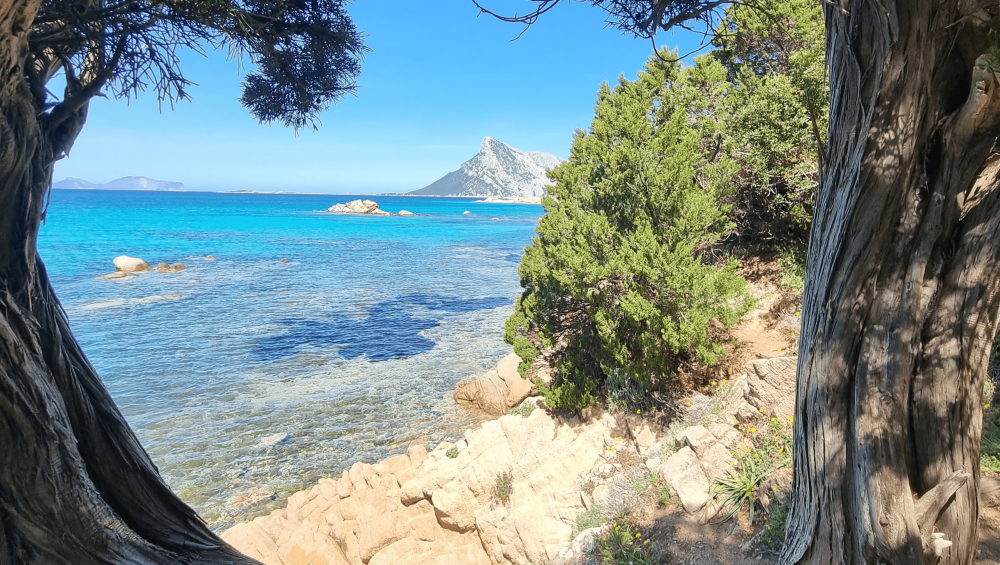
Are you ready to indulge in the lap of luxury? Look no further than Sardinia holidays and tours. Immerse yourself in the breathtaking natural beauty of this Mediterranean paradise, where crystal-clear turquoise waters meet pristine white sand beaches. Whether you’re seeking a romantic getaway, a family adventure, or a solo escape, Sardinia offers something for everyone. Experience the opulence and impeccable service of luxury resorts and hotels, where every detail is designed to exceed your expectations. From stunning waterfront villas to secluded mountain retreats, there are accommodations to suit every taste and preference.

Venture beyond the comforts of your accommodations and discover the rich history and culture of this enchanting island. Explore ancient ruins, charming coastal villages, and vibrant markets, all while enjoying the warm hospitality of the Sardinian people. From world-class dining to thrilling outdoor excursions, Sardinia has it all. Indulge in delectable local cuisine, sample fine wines, and partake in exciting water sports. Whether you prefer lounging by the pool, hiking through scenic landscapes, or sailing along the coast, Sardinia offers endless possibilities for unforgettable experiences. Book your Sardinia holiday or tour today with us and prepare to be transported to a world of luxury and bliss. Looking for a local guide for a multi-day tour? Take a look at Check out this page

WHY SARDINIA IS A LUXURY DESTINATION

Sardinia’s reputation as a luxury destination is well-deserved. With its stunning landscapes, exclusive resorts, and world-class amenities, it has become a playground for the rich and famous. The island offers a unique blend of natural beauty and refined elegance, making it the perfect destination for those seeking a luxurious escape.

One of the main reasons why Sardinia is considered a luxury destination is its untouched natural beauty. The island is home to some of the most beautiful beaches in the Mediterranean, with powdery white sand and crystal-clear waters that rival those of the Caribbean. In addition to its natural beauty, Sardinia boasts a wide range of luxury accommodations, from opulent waterfront villas to secluded mountain retreats. These resorts offer impeccable service and attention to detail, ensuring that every aspect of your stay is perfect. From the moment you arrive, you’ll be treated like royalty, with personalized service and a level of comfort that is unmatched.

TOP ATTRACTIONS AND ACTIVITIES IN SARDINIA

While the luxury accommodations are certainly a draw, there is much more to Sardinia than just lounging by the pool. The island is rich in history and culture, with a wealth of attractions and activities to explore, from ancient ruins to charming coastal villages, there is something for everyone to enjoy. If you’re a nature lover, Sardinia won’t disappoint. The island is home to several national parks and nature reserves, where you can hike through scenic landscapes and spot rare wildlife. One of the most popular parks is the Parco Nazionale dell’Arcipelago di La Maddalena, a group of islands known for their crystal-clear waters and pristine beaches. Take a boat tour and explore the islands, stopping to swim and snorkel in secluded coves.

BEST TIME TO VISIT SARDINIA

The best time to visit Sardinia depends on your preferences and interests. The island has a Mediterranean climate, with hot, dry summers and mild, wet winters. The peak tourist season is during the summer months, from June to September, when the weather is warm and sunny, and the beaches are at their best. If you prefer to avoid the crowds, consider visiting Sardinia in the spring or fall. During these shoulder seasons, the weather is still pleasant, with temperatures in the 60s and 70s Fahrenheit, and the beaches are less crowded. This is also a great time to explore the island’s natural beauty and enjoy outdoor activities such as hiking and cycling.

Winter can be a good time to visit Sardinia if you’re interested in cultural and historical attractions. The island is less crowded, and you’ll have the opportunity to explore ancient ruins and charming villages without the tourist crowds. However, keep in mind that the weather can be unpredictable, with occasional rain and cooler temperatures.

LUXURY ACCOMMODATIONS IN SARDINIA

When it comes to luxury accommodations, Sardinia has no shortage of options. From lavish waterfront villas to secluded mountain retreats, there is something to suit every taste and preference. These accommodations offer a level of comfort and sophistication that is unmatched, ensuring that your stay in Sardinia is truly unforgettable.

One of the most exclusive resorts in Sardinia is the Hotel Cala di Volpe, located on the iconic Costa Smeralda. This luxury hotel offers stunning views of the Mediterranean Sea and features elegant rooms and suites, a private beach, and a world-class spa. The hotel’s restaurants serve gourmet cuisine, and the staff provides impeccable service, ensuring that every aspect of your stay is perfect. If you prefer a more secluded and intimate setting, consider staying at a luxury villa in Sardinia. These private retreats offer the ultimate in privacy and exclusivity, with stunning views, private pools, and personalized service. Many of these villas are located in prime locations, such as Porto Cervo and Porto Rotondo, and offer easy access to the island’s top attractions.

For those seeking a wellness retreat, Sardinia has several luxury spa resorts that are sure to rejuvenate and relax, like Su Gologone Hotel. These resorts offer a range of spa treatments and wellness programs, including yoga and meditation classes, detox programs, and personalized wellness consultations. Whether you’re looking to unwind and de-stress or jumpstart a healthier lifestyle, these spa resorts provide the perfect setting.

SARDINIA’S CULINARY DELIGHTS

No luxury holiday in Sardinia would be complete without indulging in the island’s culinary delights. Sardinian cuisine is a unique blend of Italian and Mediterranean flavors, with an emphasis on fresh, locally sourced ingredients. From seafood to cheese to fine wines, there is something to satisfy every palate. One of the most famous dishes in Sardinia is “Porcetto Sardo,” a succulent roast suckling pig that is slow-cooked over an open fire. This traditional dish is a must-try for meat lovers and is often served with roasted potatoes and a variety of side dishes. Pair it with a glass of local “Cannonau wine”, a robust red wine that pairs perfectly with the rich flavors of the suckling pig. Seafood lovers will be in paradise in Sardinia, with an abundance of fresh fish and seafood available. Try the “fregola con vongole,” a traditional Sardinian dish made with tiny pasta pearls and clams, or the “bottarga,” a delicacy made from dried and cured fish roe. Pair these dishes with a crisp “Vermentino white wine”, a local white wine that complements seafood perfectly.

No meal in Sardinia is complete without a taste of the island’s famous “pecorino cheese”. Made from sheep’s milk, pecorino cheese is aged and comes in a variety of flavors, from mild and creamy to sharp and tangy. Enjoy it on its own or paired with honey or fruit for a delicious and indulgent treat.

EXPLORING SARDINIA’S BEAUTIFUL BEACHES AND COASTLINE

One of the main draws of Sardinia is its beautiful beaches and coastline. With over 1,800 kilometers of coastline, the island is home to some of the most stunning beaches in the Mediterranean. Whether you’re looking for secluded coves, lively beach clubs, or family-friendly shores, Sardinia has it all.

One of the most famous beaches in Sardinia is “Spiaggia della Pelosa”, located on the northwest coast of the island. With its powdery white sand and crystal-clear turquoise waters, it’s no wonder this beach is often compared to the Caribbean. Arrive early to secure a spot on the beach, and avoid the summer peak season, or rent a boat and explore the nearby Asinara National Park. If you prefer a more secluded beach experience, head to Cala Luna, located on the east coast of the island. This beautiful beach is accessible only by boat or by hiking through the rugged limestone cliffs, making it a hidden gem. Spend the day swimming in the crystal-clear waters, exploring the nearby caves, or simply basking in the sun.

For those looking for a lively beach scene, the Costa Smeralda is the place to be. This glamorous stretch of coastline is known for its luxury resorts, beach clubs, and vibrant nightlife. Spend the day lounging on the beach, sipping cocktails at a beach club, or exploring the trendy shops and boutiques in Porto Cervo.

UNIQUE EXPERIENCES IN SARDINIA

In addition to its beautiful beaches and luxury accommodations, Sardinia offers a range of unique experiences that will make your holiday truly unforgettable. From wine tasting to sailing excursions, there is something for every interest and preference, download our 2025 Tour & Experience collection and contact us.

One of the most unique experiences in Sardinia is a visit to the Nuragic ruins, Nuraghe. These ancient stone structures date back to the Bronze Age and are unique to Sardinia. Explore the well-preserved ruins, including the circular towers and fortified villages, and learn about the island’s rich history and culture. If you’re a wine lover, don’t miss the chance to visit one of Sardinia’s wineries. The island is known for its wine production, particularly the robust red wines made from the Cannonau grape. Take a tour of the vineyards, learn about the winemaking process, and sample a variety of wines, paired with local cheeses and cured meats.

For those who love adventure, Sardinia offers a range of outdoor activities to enjoy. From hiking and mountain biking to sailing and windsurfing, there is something for every adrenaline junkie. Explore the rugged landscapes of the Supramonte Mountains, sail along the coastline, or try your hand at kiteboarding in the famous Mistral winds.

PLANNING YOUR UNFORGETTABLE SARDINIA HOLIDAY

Now that you’ve discovered the allure of Sardinia, it’s time to start planning your unforgettable holiday. Here are a few tips to help you make the most of your luxury Sardinia experience:

  1. Research and choose the right accommodations for your preferences and budget. Whether you prefer a luxury resort, a private villa, or a wellness retreat, there are options to suit every taste. Contact us for any questions.
  2. Consider the time of year you plan to visit. If you want to avoid the crowds, consider visiting in the spring or fall. If you want to enjoy the beach and outdoor activities, summer is the best time to visit.
  3. Plan your itinerary to include a mix of relaxation and exploration. Spend some time lounging by the pool or on the beach, but also make sure to explore the island’s attractions and try the local cuisine.
  4. Don’t be afraid to splurge on unique experiences and activities. Whether it’s a private sailing excursion, a helicopter tour of the island, or a cooking class with a local chef, these experiences will create memories that last a lifetime.
  5. Take the time to immerse yourself in the local culture and interact with the Sardinian people. Learn a few basic phrases in Italian, try the local customs and traditions, and ask the locals for recommendations on hidden gems and off-the-beaten-path attractions.

CONCLUSION: MAKE YOUR DREAMS COME TRUE WITH A LUXURY SARDINIA LUXURY HOLIDAY

In conclusion, a luxury holiday in Sardinia is a truly unforgettable experience. From the stunning natural beauty to the world-class accommodations and amenities, every aspect of your stay is designed to exceed your expectations. Whether you’re seeking relaxation, adventure, or a taste of culture, Sardinia has it all. Book your Sardinia holiday or tour today and prepare to be transported to a world of luxury and bliss.

Tasting the Finest Artisanal Delights: Sardinia Cheese-making Heritage

Life is great. Cheese makes it better

Are you ready to embark on a mouthwatering journey through the hidden gems of Sardinia’s cheese-making heritage? Get ready to indulge your senses and experience the finest artisanal delights that this enchanting island has to offer. Sardinia’s cheese-making tradition dates back centuries, passed down through generations of passionate artisans who have perfected their craft. From crumbly pecorino to creamy casu marzu, each cheese embodies the unique flavors and traditions of the island.

In this article, we will take you on a tour of the lesser-known cheese producers, tucked away in the rustic countryside of Sardinia. Discover the small, family-run farms that prioritize quality over quantity, using traditional methods and locally sourced ingredients. Prepare to be captivated by the intricate process of cheese-making, as the milk is transformed into a diverse array of flavors, textures, and aromas. Learn about the different aging techniques and the influence of terroir on the final product.

Whether you’re a foodie, a cheese connoisseur, or simply an adventurous traveler seeking authentic culinary experiences, this article will unveil the secrets of Sardinia’s cheese-making heritage like never before. Get ready to tantalize your taste buds and savor the true essence of Sardinia. Looking for a local guide for a multi-day tour? Check out this page

THE HISTORY AND TRADITION OF SARDINIAN CHEESE-MAKING

Sardinia’s cheese-making tradition has a rich history that dates back centuries. The island’s geographical isolation has allowed its cheese-making techniques to evolve independently, resulting in a unique and diverse range of cheeses. The tradition of cheese-making in Sardinia can be traced back to the nuragic civilization, which inhabited the island over 3,500 years ago. These early settlers would use sheep and goat milk to create simple, yet delicious cheeses.

Over the years, Sardinia’s cheese-making techniques have been refined and passed down through generations. The island’s pastoral traditions and strong connection to the land have shaped the cheese-making process, with many artisanal producers still using traditional methods today. From the selection of the milk to the aging process, every step is carefully executed to preserve the flavors and traditions of Sardinian cheese.

Sardinia’s cheese-making heritage is deeply rooted in the island’s culture and identity. It is not just a food product, but a symbol of tradition, craftsmanship, and community. The cheese-making process often involves the whole family, with each member contributing their skills and knowledge. This sense of shared responsibility and pride is what makes Sardinian cheese truly special.

THE UNIQUE FLAVORS AND TEXTURES OF SARDINIAN CHEESES

Sardinian cheeses are renowned for their unique flavors and textures, which are a result of the island’s diverse terroir and artisanal production methods. One of the most famous Sardinian cheeses is pecorino, a hard cheese made from sheep’s milk. Pecorino comes in various forms, each with its own distinct taste. The aged pecorino has a sharp and tangy flavor, while the young pecorino is milder and creamier.

Another popular Sardinian cheese is casu marzu (CNN Article here) a traditional sheep’s milk cheese with a twist. Known as “maggot cheese,” casu marzu is left to ferment and is then infested with live insect larvae. The larvae break down the cheese, creating a creamy and pungent texture. While it may not be for the faint of heart, casu marzu is considered a delicacy in Sardinia and is highly sought after by adventurous food enthusiasts.

Apart from pecorino and casu marzu, Sardinia is also known for its ricotta, a creamy and versatile cheese made from sheep or cow’s milk. Ricotta is often used in traditional Sardinian desserts, such as sebadas, a deep-fried pastry filled with ricotta and drizzled with honey. The combination of the sweet ricotta and the sticky honey creates a heavenly treat that perfectly encapsulates the flavors of Sardinia.

THE EXPLORING THE DIFFERENT TYPES OF SARDINIAN CHEESES

Sardinia is home to a wide variety of cheeses, each with its own unique characteristics and production methods. Let’s take a closer look at some of the lesser-known Sardinian cheeses that are worth discovering.

  1. Pecorino Sardo: The traditional cheese from Sardinia, made from sheep’s milk and celebrated for its distinctive flavor and versatility. Unlike Pecorino Romano, which is sharper and saltier, Pecorino Sardo has a milder, more balanced taste, although it can range in flavor depending on its age.
  2. Fiore Sardo: It’s a traditional Sardinian cheese made from sheep’s milk. It is a hard, crumbly cheese with a slightly smoky flavor. The cheese is typically aged for several months, which gives it a distinct and robust taste. Fiore Sardo is often grated over pasta dishes or enjoyed on its own with a glass of Sardinian wine.
  3. Peretta: A pear-shaped cheese with a soft texture, similar to provolone. It’s usually made from cow’s milk or a mix of cow’s and sheep’s milk, with a mild and slightly sweet flavor.
  4. Canestrato: This is a semi-hard cheese made from a blend of sheep and cow’s milk. It has a smooth and creamy texture with a mild and nutty flavor. The cheese is usually aged for a minimum of three months, allowing it to develop its rich taste. Canestrato is often used in Sardinian cuisine, particularly in dishes like fregola, a traditional Sardinian pasta.
  5. Pecorino Romano: While not exclusive to Sardinia (it’s also made in Lazio), much of Pecorino Romano is produced on the island. It’s sharper and saltier than Pecorino Sardo, with a crumbly texture that’s ideal for grating over pasta.
  6. Casu Axedu: A fresh, slightly sour cheese made from raw sheep or goat milk, typically enjoyed soon after production. It has a creamy texture and a mild, tangy flavor.
  7. Trizza: Known for its braided form, Trizza is a soft cheese often made with cow’s milk or a mix of cow’s and sheep’s milk. It has a mild flavor and is popular in salads or as a snack.
  8. Casu Marzu: One of Sardinia’s most iconic, and controversial cheeses, famous worldwide for its unique production process. Known as “rotten cheese,” Casu Marzu is a sheep’s milk cheese that, after aging, is inhabited by cheese fly larvae. These larvae help decompose the cheese, giving it a soft, creamy texture and a bold flavor.

These are just a few examples of the diverse range of cheeses that Sardinia has to offer. Each cheese tells a story and reflects the unique terroir and traditions of the island. Exploring the different types of Sardinian cheeses is like embarking on a culinary adventure, discovering new flavors and textures with every bite.

THE PROCESS OF CHEESE-MAKING IN SARDINIA

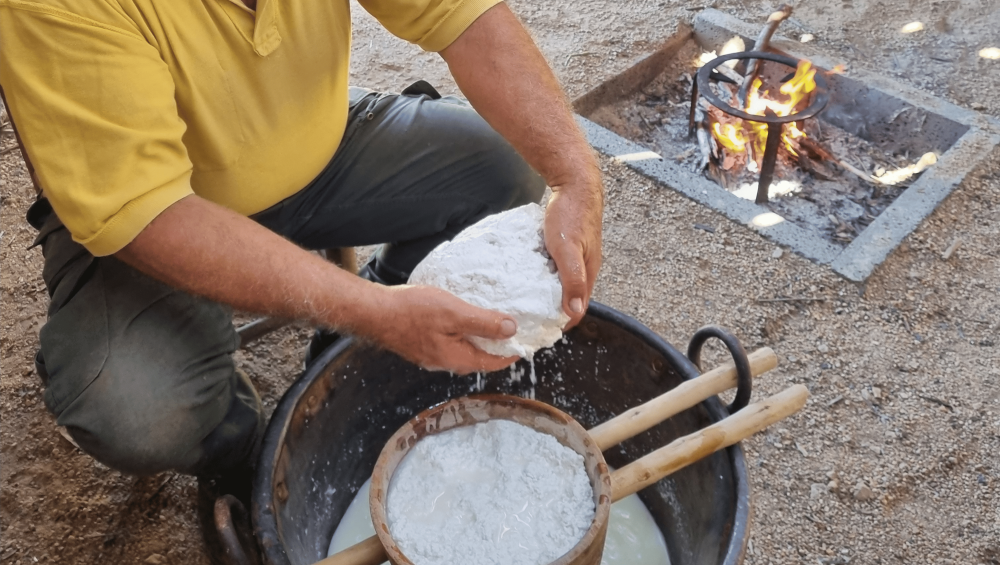
Cheese-making in Sardinia is a meticulous process that requires skill, patience, and attention to detail. The journey begins with the selection of the milk, which is crucial in determining the quality and flavor of the cheese. Most Sardinian cheeses are made from sheep’s milk, as the island has a long history of sheep farming. However, some producers also use cow’s milk or a combination of both for certain cheeses. Once the milk is collected, it is heated and mixed with rennet, a natural enzyme that helps coagulate the milk. The coagulated milk is then cut into curds and whey, with the curds being carefully separated from the whey. The curds are then molded into the desired shape and left to rest, allowing them to release more whey and develop their distinctive texture.

After the initial shaping, the cheese is often salted to enhance the flavors and aid in the aging process. The cheese is then left to mature in temperature-controlled rooms or caves, where it develops its unique flavors and textures over time. The aging process can range from a few weeks to several years, depending on the type of cheese and the desired flavor profile. Throughout the cheese-making process, Sardinian shepherds closely monitor and care for their cheeses, ensuring that they reach their full potential. The result is a range of cheeses that are rich in flavor, with each bite telling a story of craftsmanship and dedication.

VISITING SARDINIAN CHEESE SHEPHERDS AND FARMS

One of the best ways to truly experience Sardinia’s cheese-making heritage is by visiting the local producers and farms. These hidden gems are tucked away in the picturesque countryside, offering a glimpse into the traditional cheese-making process and a chance to taste the cheeses at their source.

Visiting a Sardinian cheese farms allows you to witness the passion and dedication that goes into creating these shepherds delights. You can see firsthand how the milk is transformed into cheese, learning about the different techniques and traditions along the way. Many cheese producers offer guided tours and tastings, where you can sample a variety of cheeses and learn about their unique characteristics.

During your visit, you may also have the opportunity to interact with the shepherds, hearing their stories and gaining insight into their way of life. The warm hospitality of the Sardinian people will make you feel like part of the family, creating memories that will last a lifetime. This is one of the most beautiful experience we have in our catalog:

PAIRING SARDINIAN CHEESES WITH LOCAL WINES AND OTHER PRODUCTS

Sardinian cheeses are best enjoyed alongside the island’s other gastronomic delights, such as local wines, bread, and cured meats. The unique flavors and textures of Sardinian cheeses complement the island’s rich culinary traditions, creating a harmonious balance of flavors.

When it comes to pairing Sardinian cheeses with wine, there are several options to choose from. For aged and more robust cheeses like pecorino, a full-bodied red wine such as Cannonau or Carignano is the perfect choice. The combination of the cheese’s flavors and the wine’s complexity creates a culinary experience that is truly unforgettable.

In addition to wine, Sardinian cheeses also pair well with traditional Sardinian bread, known as pane carasau. This thin and crispy bread is the ideal accompaniment to the rich and creamy cheeses, providing a neutral base that allows the flavors to shine. Sardinian cured meats, such as prosciutto and salami, also make excellent companions to the cheeses, creating a delicious platter of flavors that represent the best of Sardinian cuisine.

SUSTAINABLE PRACTICES AND CULTURAL SIGNIFICANCE

Sardinian cheese-making is deeply rooted in the island’s sustainable agricultural practices. Many cheese shepherds prioritize the use of locally sourced ingredients, ensuring that the milk comes from free-range, grass-fed animals. This not only contributes to the quality and flavors of the cheese but also supports the local economy and preserves Sardinia’s traditional farming methods.

Furthermore, Sardinian cheese producers are committed to preserving the island’s natural resources and biodiversity. They prioritize sustainable farming practices, such as rotational grazing and organic fertilizers, to minimize the impact on the environment. By embracing these sustainable practices, Sardinian cheese-makers are not only producing exceptional cheeses but also ensuring a better future for generations to come.

Cheese-making in Sardinia is not just a culinary tradition but a cultural phenomenon that has shaped the identity of the island. The cheese itself is a symbol of Sardinian heritage, representing the island’s deep connection to the land, its people, and its history. In Sardinian culture, cheese is often associated with celebrations and festivities, where it takes center stage on the dining table. It is a way of bringing people together, sharing stories, and creating memories. The cheese-making process itself is often passed down through generations, with each family adding their own touch to the tradition. This sense of continuity and community is what makes Sardinian cheese-making truly special.

CONCLUSION: WHY SARDINIA’S CHEESE-MAKING  HERITAGE IS A MUST-EXPERIENCE

Sardinia’s cheese-making heritage is a culinary treasure that deserves to be experienced by every food lover and traveler. The island’s unique flavors, textures, and traditions are embodied in each bite of cheese, taking you on a journey through Sardinia’s rich history and culture. By visiting the hidden gems of Sardinia’s cheese-making shepherds and farms, you can witness the artistry and dedication that goes into creating these artisanal delights. From the selection of the milk to the aging process, every step is carefully executed to preserve the flavors and traditions of Sardinian cheese.

Pairing Sardinian cheeses with local wines and other products allows you to fully appreciate the island’s gastronomic delights, creating a symphony of flavors that represent the best of Sardinian cuisine. From the creamy ricotta to the sharp pecorino, each cheese tells a story and reflects the unique terroir and traditions of the island. So, are you ready to embark on a mouthwatering journey through the hidden gems of Sardinia’s cheese-making heritage? Get ready to tantalize your taste buds and savor the true essence of Sardinia.

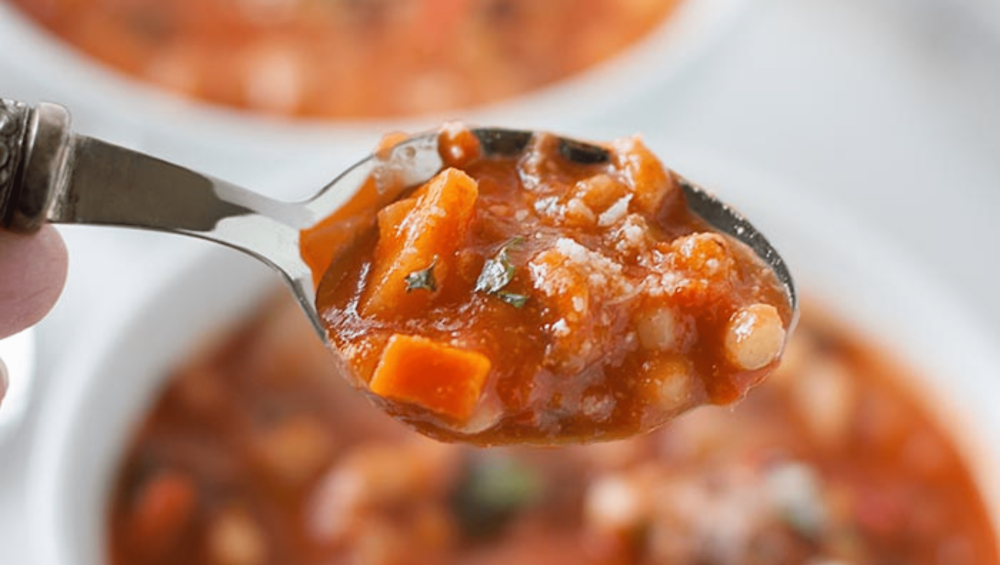
Minestrone | Sardinian longevity soup with dranexperience.com

The Secret of centenarians: Exploring the Power of Sardinian Longevity Soup

Avoid processed foods and focus on whole, natural ingredients for optimal nutrition

In the beautiful Mediterranean island of Sardinia, a remarkable secret to longevity has been discovered: the power of Sardinian Longevity Soup. This traditional dish has been passed down through generations and is believed to be a key factor in the impressive lifespan of the Sardinian people.

With an average life expectancy of over 90 years, Sardinia boasts one of the highest concentrations of centenarians in the world. Researchers have attributed this remarkable longevity to a combination of factors, including a healthy diet, an active lifestyle, and strong social connections. But it is the magical properties of Sardinian Longevity Soup that have captured the attention of scientists and health enthusiasts alike.

Made with a combination of fresh vegetables, legumes, whole grains, and herbs, this nutrient-packed soup is not only delicious but also provides a multitude of health benefits. From reducing the risk of heart disease and cancer to boosting immune function and promoting healthy aging, Sardinian Longevity Soup is truly a powerhouse of nutrition.

Join us as we delve into the secrets of this traditional Sardinian recipe, exploring its fascinating history, ingredients, and the science behind its longevity-promoting properties. Discover how you can incorporate this ancient culinary treasure into your own diet and unlock the secrets to a healthier, longer life.

Are you also looking for a local guide for a multi-day tour? Take a look at this page

THE SARDINIAN LONGEVITY SOUP: A TRADITIONAL RECIPE

Sardinian Longevity Soup, known locally as “Minestrone della Longevità” is a staple in the diet of the Sardinian people. This hearty soup is a delicious combination of fresh vegetables, legumes, whole grains, and aromatic herbs. It is traditionally slow-cooked for hours, allowing the flavors to meld together and create a rich, nourishing broth.

The recipe for Sardinian Longevity Soup varies from family to family, with each cook adding their own personal touch. However, the basic ingredients remain the same: tomatoes, onions, carrots, celery, zucchini, potatoes, beans, lentils, barley, and a variety of herbs such as rosemary, thyme, and bay leaves. The result is a vibrant, flavorful soup that is packed with nutrients.

The Sardinian people have been enjoying this soup for centuries, passing down the recipe from generation to generation. It is not only a source of nourishment but also a symbol of their cultural heritage. The slow-cooking process allows the flavors to develop, creating a depth of taste that is unmatched.

THE KEY INGREDIENTS OF SARDINIAN LONGEVITY SOUP

The key ingredients of Sardinian Longevity Soup are carefully selected for their health-promoting properties. Let’s take a closer look at some of these ingredients and their benefits:

  • Tomatoes: Tomatoes are rich in lycopene, a powerful antioxidant that has been linked to a reduced risk of heart disease and certain types of cancer. They are also a good source of vitamins A and C, potassium, and fiber.
  • Onions: Onions are packed with antioxidants and sulfur compounds that have been shown to have anti-inflammatory and immune-boosting effects. They also contain prebiotic fibers that nourish the beneficial bacteria in the gut.
  • Carrots: Carrots are high in beta-carotene, a precursor to vitamin A, which is essential for eye health. They are also rich in antioxidants and fiber, which can help lower the risk of chronic diseases.
  • Celery: Celery is a hydrating vegetable that is low in calories but high in fiber. It also contains compounds called phthalides, which have been shown to help lower blood pressure and reduce inflammation.
  • Zucchini: Zucchini is a good source of vitamins A and C, potassium, and fiber. It is also low in calories and high in water content, making it a great addition to a healthy diet.
  • Potatoes: Potatoes are a good source of vitamins C and B6, potassium, and fiber. They provide sustained energy and are a great source of complex carbohydrates.
  • Beans and lentils: Beans and lentils are excellent sources of plant-based protein, fiber, and a variety of minerals. They are also low in fat and cholesterol, making them a healthy choice for promoting heart health.
  • Barley: Barley is a whole grain that is rich in fiber, vitamins, and minerals. It has been shown to help lower cholesterol levels, reduce the risk of heart disease, and improve digestion.
  • Herbs: The herbs used in Sardinian Longevity Soup, such as rosemary, thyme, and bay leaves, not only add flavor but also provide additional health benefits. Rosemary, for example, is rich in antioxidants and has been shown to improve cognitive function.

HEALTH BENEFITS OF THE INGREDIENTS IN SARDINIAN LONGEVITY SOUP 

The combination of ingredients in Sardinian Longevity Soup provides a wide range of health benefits. Let’s explore some of the key benefits:

  • Heart health: The vegetables, legumes, and whole grains in Sardinian Longevity Soup are rich in fiber, which can help lower cholesterol levels and reduce the risk of heart disease. The soup is also low in saturated fat and cholesterol, making it a heart-healthy choice.
  • Cancer prevention: The antioxidants found in tomatoes, onions, and herbs have been shown to have anti-cancer properties. Lycopene, in particular, has been linked to a reduced risk of certain types of cancer, including prostate and lung cancer.
  • Immune function: The combination of vegetables, legumes, and herbs in Sardinian Longevity Soup provides a wide range of vitamins, minerals, and antioxidants that can help support a healthy immune system. This is especially important as we age and our immune function naturally declines.
  • Healthy aging: The nutrient-dense ingredients in Sardinian Longevity Soup, combined with the slow-cooking process, create a soup that is rich in flavor and texture. This can help promote healthy eating habits and prevent age-related weight gain.
  • Digestive health: The fiber-rich ingredients in Sardinian Longevity Soup, such as beans, lentils, and barley, can help promote a healthy digestive system and prevent constipation. The prebiotic fibers in onions also nourish the beneficial bacteria in the gut, supporting overall gut health.

THE SCIENCE BEHIND SARDINIAN LONGEVITY

The longevity of the Sardinian people has long fascinated scientists, who have been studying the factors that contribute to their impressive lifespan. While there is no one-size-fits-all answer, research has identified several key factors that may play a role in Sardinian longevity.

  • Diet: The traditional Sardinian diet is rich in whole foods, including fresh vegetables, legumes, whole grains, and lean proteins. This nutrient-dense diet provides a wide range of vitamins, minerals, and antioxidants that can help support overall health and longevity.
  • Lifestyle: The Sardinian people have a strong sense of community and place a high value on social connections. This social support network has been shown to have a positive impact on both mental and physical health. Additionally, the Sardinians have a tradition of physical activity, with daily walks and outdoor work being a common part of their routine.
  • Genetics: While lifestyle factors play a significant role in longevity, genetics also contribute to the Sardinian people’s ability to live long and healthy lives. Studies have identified several genetic factors that may be associated with Sardinian longevity, including variations in genes related to inflammation, immune function, and metabolism.
  • Environmental factors: The clean air, natural beauty, and low-stress lifestyle of Sardinia may also contribute to the overall health and longevity of its residents. The island’s isolation from mainland Europe has helped preserve its unique culture and traditions, which in turn may contribute to the well-being of its people.

HOW TO INCORPORATE SARDINIAN LONGEVITY SOUP INTO YOUR DIET 

Incorporating Sardinian Longevity Soup into your diet is a delicious and nutritious way to promote overall health and well-being. Here are a few tips to help you get started:

  • Start with the basics: Gather the key ingredients for Sardinian Longevity Soup, including tomatoes, onions, carrots, celery, zucchini, potatoes, beans, lentils, barley, and a variety of herbs. You can adapt the recipe to suit your taste preferences and dietary needs.
  • Slow-cook for maximum flavor: To truly capture the essence of Sardinian Longevity Soup, take the time to slow-cook it. Allow the flavors to meld together over several hours, creating a rich, nourishing broth that is full of depth and complexity.
  • Make it a regular part of your meal rotation: Consider adding Sardinian Longevity Soup to your weekly meal rotation. This will not only provide you with a nutritious and delicious meal but also allow you to experience the benefits of this traditional Sardinian dish on a regular basis.
  • Get creative with variations: Don’t be afraid to experiment with different variations of Sardinian Longevity Soup. Add in additional vegetables, swap out the legumes, or try different herbs and spices. The key is to make it your own and enjoy the process of creating a nourishing meal.

OTHER LIFESTYLE FACTORS CONTRIBUTING TO SARDINIAN LONGEVITY 

Incorporating Sardinian Longevity Soup into your diet is a delicious and nutritious way to promote overall health and well-being. Here are a few tips to help you get started:

  • Start with the basics: Gather the key ingredients for Sardinian Longevity Soup, including tomatoes, onions, carrots, celery, zucchini, potatoes, beans, lentils, barley, and a variety of herbs. You can adapt the recipe to suit your taste preferences and dietary needs.
  • Slow-cook for maximum flavor: To truly capture the essence of Sardinian Longevity Soup, take the time to slow-cook it. Allow the flavors to meld together over several hours, creating a rich, nourishing broth that is full of depth and complexity.
  • Make it a regular part of your meal rotation: Consider adding Sardinian Longevity Soup to your weekly meal rotation. This will not only provide you with a nutritious and delicious meal but also allow you to experience the benefits of this traditional Sardinian dish on a regular basis.
  • Get creative with variations: Don’t be afraid to experiment with different variations of Sardinian Longevity Soup. Add in additional vegetables, swap out the legumes, or try different herbs and spices. The key is to make it your own and enjoy the process of creating a nourishing meal.

CONCLUSION: EMBRACING THE SARDINIAN APPROACH TO LONGEVITY AND JOIN US IN THE BLUE ZONE TOUR

In conclusion, the power of Sardinian Longevity Soup is a testament to the rich culinary traditions and healthy lifestyle of the Sardinian people. This nutrient-packed soup, made with a combination of fresh vegetables, legumes, whole grains, and herbs, provides a wide range of health benefits, from reducing the risk of heart disease and cancer to boosting immune function and promoting healthy aging.

By incorporating Sardinian Longevity Soup into your own diet, along with other lifestyle factors such as regular physical activity, stress management, and strong social connections, you can embrace the Sardinian approach to

Would you like to know more about the longevity in Sardinia while in holiday? Let’s make a Blue Zone Tour with us: 

  • Active engagement in the community and family, a traditional and healthy lifestyle, reliance on local unprocessed foods, regular physical activity like walking, exceptional genetic stories, and a strong emphasis on environmental factors are the cornerstones of longevity in the Blue Zone region of Sardinia. Ready to immerse yourself in the secrets of a centenarian’s life? Contact us right now for a quote!