
Minestrone | Sardinian longevity soup with dranexperience.com

The Secret of centenarians: Exploring the Power of Sardinian Longevity Soup

Avoid processed foods and focus on whole, natural ingredients for optimal nutrition

In the beautiful Mediterranean island of Sardinia, a remarkable secret to longevity has been discovered: the power of Sardinian Longevity Soup. This traditional dish has been passed down through generations and is believed to be a key factor in the impressive lifespan of the Sardinian people.

With an average life expectancy of over 90 years, Sardinia boasts one of the highest concentrations of centenarians in the world. Researchers have attributed this remarkable longevity to a combination of factors, including a healthy diet, an active lifestyle, and strong social connections. But it is the magical properties of Sardinian Longevity Soup that have captured the attention of scientists and health enthusiasts alike.

Made with a combination of fresh vegetables, legumes, whole grains, and herbs, this nutrient-packed soup is not only delicious but also provides a multitude of health benefits. From reducing the risk of heart disease and cancer to boosting immune function and promoting healthy aging, Sardinian Longevity Soup is truly a powerhouse of nutrition.

Join us as we delve into the secrets of this traditional Sardinian recipe, exploring its fascinating history, ingredients, and the science behind its longevity-promoting properties. Discover how you can incorporate this ancient culinary treasure into your own diet and unlock the secrets to a healthier, longer life.

Are you also looking for a local guide for a multi-day tour? Take a look at this page

THE SARDINIAN LONGEVITY SOUP: A TRADITIONAL RECIPE

Sardinian Longevity Soup, known locally as “Minestrone della Longevità” is a staple in the diet of the Sardinian people. This hearty soup is a delicious combination of fresh vegetables, legumes, whole grains, and aromatic herbs. It is traditionally slow-cooked for hours, allowing the flavors to meld together and create a rich, nourishing broth.

The recipe for Sardinian Longevity Soup varies from family to family, with each cook adding their own personal touch. However, the basic ingredients remain the same: tomatoes, onions, carrots, celery, zucchini, potatoes, beans, lentils, barley, and a variety of herbs such as rosemary, thyme, and bay leaves. The result is a vibrant, flavorful soup that is packed with nutrients.

The Sardinian people have been enjoying this soup for centuries, passing down the recipe from generation to generation. It is not only a source of nourishment but also a symbol of their cultural heritage. The slow-cooking process allows the flavors to develop, creating a depth of taste that is unmatched.

THE KEY INGREDIENTS OF SARDINIAN LONGEVITY SOUP

The key ingredients of Sardinian Longevity Soup are carefully selected for their health-promoting properties. Let’s take a closer look at some of these ingredients and their benefits:

  • Tomatoes: Tomatoes are rich in lycopene, a powerful antioxidant that has been linked to a reduced risk of heart disease and certain types of cancer. They are also a good source of vitamins A and C, potassium, and fiber.
  • Onions: Onions are packed with antioxidants and sulfur compounds that have been shown to have anti-inflammatory and immune-boosting effects. They also contain prebiotic fibers that nourish the beneficial bacteria in the gut.
  • Carrots: Carrots are high in beta-carotene, a precursor to vitamin A, which is essential for eye health. They are also rich in antioxidants and fiber, which can help lower the risk of chronic diseases.
  • Celery: Celery is a hydrating vegetable that is low in calories but high in fiber. It also contains compounds called phthalides, which have been shown to help lower blood pressure and reduce inflammation.
  • Zucchini: Zucchini is a good source of vitamins A and C, potassium, and fiber. It is also low in calories and high in water content, making it a great addition to a healthy diet.
  • Potatoes: Potatoes are a good source of vitamins C and B6, potassium, and fiber. They provide sustained energy and are a great source of complex carbohydrates.
  • Beans and lentils: Beans and lentils are excellent sources of plant-based protein, fiber, and a variety of minerals. They are also low in fat and cholesterol, making them a healthy choice for promoting heart health.
  • Barley: Barley is a whole grain that is rich in fiber, vitamins, and minerals. It has been shown to help lower cholesterol levels, reduce the risk of heart disease, and improve digestion.
  • Herbs: The herbs used in Sardinian Longevity Soup, such as rosemary, thyme, and bay leaves, not only add flavor but also provide additional health benefits. Rosemary, for example, is rich in antioxidants and has been shown to improve cognitive function.

HEALTH BENEFITS OF THE INGREDIENTS IN SARDINIAN LONGEVITY SOUP 

The combination of ingredients in Sardinian Longevity Soup provides a wide range of health benefits. Let’s explore some of the key benefits:

  • Heart health: The vegetables, legumes, and whole grains in Sardinian Longevity Soup are rich in fiber, which can help lower cholesterol levels and reduce the risk of heart disease. The soup is also low in saturated fat and cholesterol, making it a heart-healthy choice.
  • Cancer prevention: The antioxidants found in tomatoes, onions, and herbs have been shown to have anti-cancer properties. Lycopene, in particular, has been linked to a reduced risk of certain types of cancer, including prostate and lung cancer.
  • Immune function: The combination of vegetables, legumes, and herbs in Sardinian Longevity Soup provides a wide range of vitamins, minerals, and antioxidants that can help support a healthy immune system. This is especially important as we age and our immune function naturally declines.
  • Healthy aging: The nutrient-dense ingredients in Sardinian Longevity Soup, combined with the slow-cooking process, create a soup that is rich in flavor and texture. This can help promote healthy eating habits and prevent age-related weight gain.
  • Digestive health: The fiber-rich ingredients in Sardinian Longevity Soup, such as beans, lentils, and barley, can help promote a healthy digestive system and prevent constipation. The prebiotic fibers in onions also nourish the beneficial bacteria in the gut, supporting overall gut health.

THE SCIENCE BEHIND SARDINIAN LONGEVITY

The longevity of the Sardinian people has long fascinated scientists, who have been studying the factors that contribute to their impressive lifespan. While there is no one-size-fits-all answer, research has identified several key factors that may play a role in Sardinian longevity.

  • Diet: The traditional Sardinian diet is rich in whole foods, including fresh vegetables, legumes, whole grains, and lean proteins. This nutrient-dense diet provides a wide range of vitamins, minerals, and antioxidants that can help support overall health and longevity.
  • Lifestyle: The Sardinian people have a strong sense of community and place a high value on social connections. This social support network has been shown to have a positive impact on both mental and physical health. Additionally, the Sardinians have a tradition of physical activity, with daily walks and outdoor work being a common part of their routine.
  • Genetics: While lifestyle factors play a significant role in longevity, genetics also contribute to the Sardinian people’s ability to live long and healthy lives. Studies have identified several genetic factors that may be associated with Sardinian longevity, including variations in genes related to inflammation, immune function, and metabolism.
  • Environmental factors: The clean air, natural beauty, and low-stress lifestyle of Sardinia may also contribute to the overall health and longevity of its residents. The island’s isolation from mainland Europe has helped preserve its unique culture and traditions, which in turn may contribute to the well-being of its people.

HOW TO INCORPORATE SARDINIAN LONGEVITY SOUP INTO YOUR DIET 

Incorporating Sardinian Longevity Soup into your diet is a delicious and nutritious way to promote overall health and well-being. Here are a few tips to help you get started:

  • Start with the basics: Gather the key ingredients for Sardinian Longevity Soup, including tomatoes, onions, carrots, celery, zucchini, potatoes, beans, lentils, barley, and a variety of herbs. You can adapt the recipe to suit your taste preferences and dietary needs.
  • Slow-cook for maximum flavor: To truly capture the essence of Sardinian Longevity Soup, take the time to slow-cook it. Allow the flavors to meld together over several hours, creating a rich, nourishing broth that is full of depth and complexity.
  • Make it a regular part of your meal rotation: Consider adding Sardinian Longevity Soup to your weekly meal rotation. This will not only provide you with a nutritious and delicious meal but also allow you to experience the benefits of this traditional Sardinian dish on a regular basis.
  • Get creative with variations: Don’t be afraid to experiment with different variations of Sardinian Longevity Soup. Add in additional vegetables, swap out the legumes, or try different herbs and spices. The key is to make it your own and enjoy the process of creating a nourishing meal.

OTHER LIFESTYLE FACTORS CONTRIBUTING TO SARDINIAN LONGEVITY 

Incorporating Sardinian Longevity Soup into your diet is a delicious and nutritious way to promote overall health and well-being. Here are a few tips to help you get started:

  • Start with the basics: Gather the key ingredients for Sardinian Longevity Soup, including tomatoes, onions, carrots, celery, zucchini, potatoes, beans, lentils, barley, and a variety of herbs. You can adapt the recipe to suit your taste preferences and dietary needs.
  • Slow-cook for maximum flavor: To truly capture the essence of Sardinian Longevity Soup, take the time to slow-cook it. Allow the flavors to meld together over several hours, creating a rich, nourishing broth that is full of depth and complexity.
  • Make it a regular part of your meal rotation: Consider adding Sardinian Longevity Soup to your weekly meal rotation. This will not only provide you with a nutritious and delicious meal but also allow you to experience the benefits of this traditional Sardinian dish on a regular basis.
  • Get creative with variations: Don’t be afraid to experiment with different variations of Sardinian Longevity Soup. Add in additional vegetables, swap out the legumes, or try different herbs and spices. The key is to make it your own and enjoy the process of creating a nourishing meal.

CONCLUSION: EMBRACING THE SARDINIAN APPROACH TO LONGEVITY AND JOIN US IN THE BLUE ZONE TOUR

In conclusion, the power of Sardinian Longevity Soup is a testament to the rich culinary traditions and healthy lifestyle of the Sardinian people. This nutrient-packed soup, made with a combination of fresh vegetables, legumes, whole grains, and herbs, provides a wide range of health benefits, from reducing the risk of heart disease and cancer to boosting immune function and promoting healthy aging.

By incorporating Sardinian Longevity Soup into your own diet, along with other lifestyle factors such as regular physical activity, stress management, and strong social connections, you can embrace the Sardinian approach to

Would you like to know more about the longevity in Sardinia while in holiday? Let’s make a Blue Zone Tour with us: 

  • Active engagement in the community and family, a traditional and healthy lifestyle, reliance on local unprocessed foods, regular physical activity like walking, exceptional genetic stories, and a strong emphasis on environmental factors are the cornerstones of longevity in the Blue Zone region of Sardinia. Ready to immerse yourself in the secrets of a centenarian’s life? Contact us right now for a quote!
Spiagge e mare | Costa Smeralda Tour con dranexperience.com

Unlock the Secrets of the North East: Discover the Ultimate Guided Tours

Everything you can imagine is real

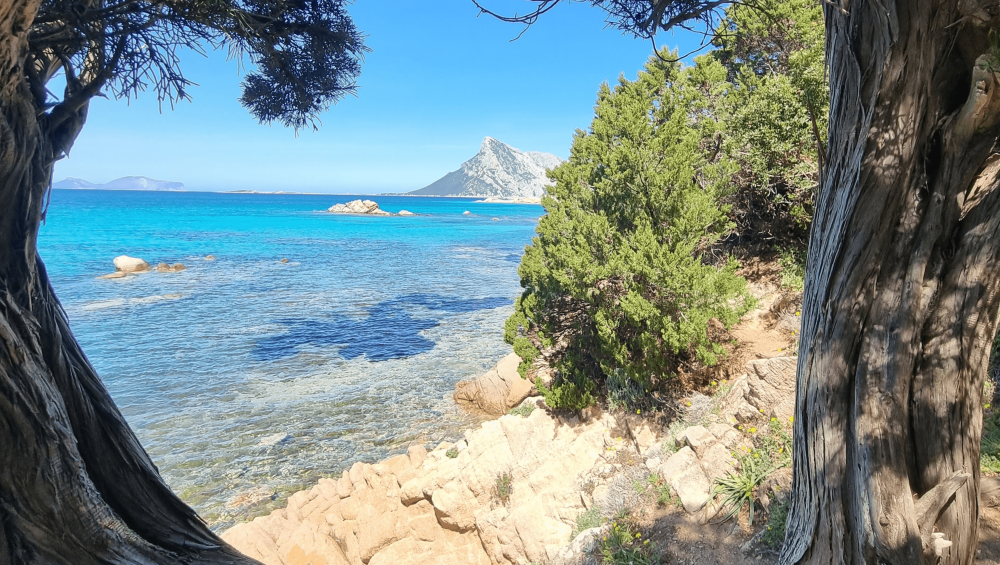
Welcome to the Nort-East of Sardinia, a picture-perfect destination in Sardinia known for its pristine beaches, crystal-clear waters, and luxurious resorts. If you’re planning a trip to this stunning corner of Sardinia Island, then you’re in for a treat. In this article, we will unlock the secrets of Costa Smeralda and around,  introducing you to the ultimate guided tours that will help you make the most of your time in this idyllic paradise.

With our expertly crafted itineraries and knowledgeable local guides, you’ll have the chance to explore hidden gems, indulge in the region’s finest cuisine, and immerse yourself in the vibrant culture of Sardinia. Whether you’re seeking relaxation, adventure, or a mix of both, our guided tours offer an unforgettable experience tailored to your preferences.

From exploring ancient ruins to embarking on exhilarating water sports, there’s something for everyone from North-east area. So, get ready to embark on a journey of discovery as we unveil the secrets of this enchanting destination. Let us take you by the hand and show you the hidden treasures that await you in the  North-east and get ready for a vacation like no other!

Are you also looking for a local guide for a multi-day tour? Take a look at this page

WHY TAKE A GUIDED TOUR

When visiting a new destination, it can be overwhelming to plan your itinerary and ensure you’re not missing out on any must-see attractions. This is where guided tours come in. By opting for a guided tour in the North-east, like one of ours, you’ll have the advantage of local expertise, allowing you to explore the hidden gems and experience the authentic side of this beautiful region.

Guided tours offer a hassle-free way to explore the North east and Sardinia. You won’t have to worry about transportation, navigating unfamiliar roads, or finding the best spots to visit. Instead, you can sit back, relax, and let the experts handle all the logistics, while you focus on enjoying the sights and sounds of the North East.

Additionally, guided tours often provide valuable insights into the history, culture, and traditions of the destination. We are local expert and with knowledgeable guides by your side, you’ll gain a deeper understanding the North East and Sardinia’s rich heritage and be able to appreciate the significance of the landmarks you encounter along the way.

Finally, guided tours offer the opportunity to meet local people and make new friends. It’s a chance to share experiences, exchange travel tips, and create lasting memories with the local community. So, if you’re looking for a social and immersive travel experience, a guided tour is the way to go.

BENEFITS OF GUIDED TOURS IN AND FROM THE NORTH EAST

Choosing one of our guided tour in the North East comes with several benefits that will enhance your overall travel experience. One of the main advantages is the convenience it offers. Instead of spending time researching and planning your own itinerary, you can rely on the expertise of the tour operators who have carefully curated the best experiences for you.

Guided tours also provide a sense of security and safety. Navigating unfamiliar territories can be daunting, especially in a foreign country. With a guided tour, you’ll have professional guides who are well-versed in the local customs, language, and potential risks. They will ensure your safety throughout the tour, allowing you to fully enjoy your time in the North East and Sardinia without any worries.

Another benefit of guided tours is the access they provide to exclusive experiences and hidden gems. Local guides often have insider knowledge and can take you off the beaten path to discover lesser-known attractions that are not easily accessible to independent travelers. Whether it’s a secluded beach, a charming village, or a hidden viewpoint with breathtaking panoramas, guided tours offer a chance to uncover the hidden treasures of the North East.

Furthermore, guided tours save you precious time. Instead of spending hours figuring out the logistics, transportation, and best routes, you can leave all the planning to the tour operators. This allows you to maximize your time in the North East and see more of what this beautiful region has to offer.

Are you also looking for another destination in Sardinia? Alghero is a must-see, take a look here

OUR TOURS

The North East offers a wide range of guided tours catering to different interests and preferences, we are a team of local guides and we offer just Private Guided Tours in this area. Whether you’re a beach lover, a history enthusiast, or a foodie, there’s a guided tour that will suit your taste. Here are some wonderful options to consider:

Exploring the beaches by land

One of the main attractions of the North East and around is its stunning beaches. With crystal-clear turquoise waters and soft white sands, these beaches are a paradise for sun-seekers and water sports enthusiasts. A guided tour focused on exploring the beaches will take you to the most beautiful coastal spots, where you can relax, swim, snorkel, and soak up the sun. Here the description of our Suggestive Coves in the North East:

  • We’ll journey to one of the most pristine and secluded coastal areas, accessible by car. Our stops will reveal hidden coves adorned with white sands and crystal-clear waters, showcasing the untouched beauty of this off-the-beaten-track location in Northeast Sardinia. As part of the experience, enjoy tasting typical Sardinian products on the beach, included along with a guided snorkeling tour led by a marine biologist.

Exclusive guide and marine biologists, private transport and light lunch on the beach will be included in this full-day experience.

Exploring La Maddalena Arcipelago by private boat

Exploring the La Maddalena Archipelago by private boat is a truly unforgettable experience. This stunning cluster of islands, located off the northeastern coast of Sardinia, is renowned for its amazing turquoise waters, secluded beaches, and pristine natural beauty. Here are some highlights of what you can expect on a private boat tour with us:

  • Picture yourself exploring the La Maddalena Archipelago on a private boat tour, relishing a provided lunch and beverages amidst one of the world’s most beautiful locations. As we sail to the islands, you’ll marvel at the spectacular coastline before anchoring near stunning white sand beaches. The highlight of this tour is a guided snorkeling experience with a marine biologist, offering deeper insights into the sea’s wonders. And why not indulge in seafood while onboard?

Exclusive guide and marine biologists, private transport to Palau port, private boat trip and skipper and a lunch on the boat will be included in this amazing full-day experience.

Discovering the cultural attractions from the North East to the inland

Discovering the cultural attractions from the North East to the inland of Sardinia offers a captivating journey through the island’s rich history, food, traditions, and natural beauty. While North East is famous for its glamorous lifestyle and stunning coastline, the inland regions reveal a different side of Sardinia, steeped in culture and heritage. We have two exciting tours for you! The first tour delves into the authentic Gallura sub-region, offering a rich cultural experience with interactions with local people and a delightful wine tasting:

  • Hidden in the heart of the Gallura area lies the quaint and picturesque village of Aggius, which has diligently preserved and enriched its ancestral traditions, notably local carpet weaving. As we stroll through this open-air museum adorned with granite houses and artistic creations, we partake in a carpet-making class conducted by a local artisan. The day also includes visits to other beautiful locations like Luogosanto, a serene and authentic place where time seems to slow down. Following lunch featuring local products, an exhilarating wine tour provides insight into the winemaking process

The second option, always a full-day tour from the North East, invites you to enjoy a wonderful cooking experience while exploring the millennia-old history of one of Sardinia’s 7,000 nuraghi:

  • Spend a morning in the heart of Gallura learning to cook delicious Sardinian cuisine from an expert home cook. Engage directly in the process, learning recipes and local legends from a native family. Test your culinary skills, enjoy a fun cooking session, and afterward, savor the dishes you’ve prepared. Later, after lunch, step back 4000 years in time to discover the Western Mediterranean Sea’s most significant civilization through a guided tour of the area’s prominent Nuragic Complex.

Exclusive guide, private transport, private guide for all the experiences (cooking class, wine tasting, history and culture), lunches will be included in these experiences.

Loving Barbagia: The heart of Sardinia

Discovering the Barbagia area in Sardinia offers a unique and enriching experience. Shepherds and nature are vital in Barbagia because they embody the region’s cultural heritage and sustainable lifestyle. The tradition of shepherding connects deeply with the land, promoting ecological balance and biodiversity and It also supports the local economy through the production of traditional products like pecorino cheese. Would you like to find out more about that? Here the description of our “1 Day in Barbagia Tour” from the North East:

  • We Learn the art of cheese making from a local shepherd family, followed by a lunch immersed in nature, featuring panoramic views and local products. Afterward, venture into the Supramonte area to explore its nature and history, where plateaus, gorges, and striking rock formations stretch across the horizon, resembling a distant continent. This unique journey unveils the verdant heart of Sardinia, a life-enriching experience

Exclusive guide, private transport, private guide, experience with a shepherd family and lunch, will be included in this full day experience

CONCLUSION AND THOUGHTS: NORTH EAST TOURS

In conclusion, North East offers an unparalleled blend of natural beauty, rich culture, and luxurious experiences. By embarking on our guided tours, you’ll unlock the hidden gems of this stunning Sardinian destination, ensuring your trip is filled with unforgettable moments. Whether you wish to delve into the region’s ancient history, savor exquisite local cuisine, or simply bask in the breathtaking scenery, our expertly designed itineraries and knowledgeable guides will make your adventure truly exceptional.

Ask for a quote

Blue Zone Bliss: Discover the Magic of Sardinia’s Longest Living Community

It’ll keep you alive for another 10 years if you get yourself a laugh once a day

Welcome to Sardinia, the enchanting island that holds the secret to a long and blissful life. Known as a Blue Zone, this Mediterranean gem is home to one of the world’s longest-living communities. In this article, we delve into the magic of Sardinia’s Blue Zone and uncover the factors that contribute to the residents’ exceptional longevity.

In Sardinia’s Blue Zone, the idyllic lifestyle is intertwined with the island’s stunning natural beauty. Here, sun-kissed mountains meet crystal-clear waters, creating a serene backdrop for a life well lived. But it’s not just the scenery. The people of Sardinia possess a deep-rooted sense of community and a commitment to traditional values that have stood the test of time.

From a diet rich in fresh produce, whole grains, and healthy fats to an active daily routine that incorporates physical labor and social interaction, the Sardinians have cracked the code to a long and fulfilling life. This article takes you on a journey through the secrets of Sardinia’s Blue Zone, offering insights and inspiration on how you can infuse your own life with the same sense of vitality.

Are you interested for a Blue Zone Tour? Here we are and join us as we unravel the fascinating tales and wisdom of Sardinia’s longest-living community, and discover how you too can embrace the blue zone bliss.

WHAT ARE BLUE ZONES?

The term Blue Zones (BZ) refers to a rather small, homogenous geographical area where the population shares the same lifestyle and environment and its exceptional longevity has been scientifically proven. To date, four regions have been identified around the world as possessing the requirements to achieve Blue Zone status. They are located in Okinawa, Sardinia, Costa Rica, and Greece. These areas have been extensively studied by researchers (first one was Gianni Pes in Sardinia in 1999) and have provided valuable insights into the secrets of longevity. Sardinia, with its high concentration of centenarians, is one such Blue Zone that has captivated scientists and health enthusiasts alike.

We, in our own small way, have begun to promote and enhance these locations through guided tours to discover the local community and their secrets. Visit this page and find out more.

SECRETS OF LONGEVITY IN THE SARDINIAN BLUE ZONE

Sardinia, the second-largest island in the Mediterranean, boasts a unique blend of breathtaking landscapes and vibrant culture. It is here, particularly in the mountainous regions of Ogliastra and Barbagia, that the secrets to a long and fulfilling life can be found.

The residents of Sardinia’s Blue Zone have managed to preserve their traditional way of life, living in harmony with nature and their community. This sense of rootedness and connection to their surroundings plays a crucial role in their exceptional longevity.

What sets the Sardinian Blue Zone apart from the rest of the world? The answer lies in a combination of factors, including diet, lifestyle, strong genes and social connections. Let’s explore each of these elements in detail.

  • Diet and Nutrition in the Sardinian Blue Zone: One of the key factors contributing to the longevity of the Sardinian population is their nutrient-rich diet. The traditional Sardinian cuisine is centered around fresh, locally sourced  ingredients and no processed food. Dairy products, vegetables, whole grains, and legumes form the foundation of their meals, providing a wide array of vitamins, minerals, and antioxidants. Additionally, the Sardinian diet includes healthy fats from main sources like olive oil. These fats, along with moderate consumption of red wine, have been linked to a reduced risk of heart disease and other age-related conditions.

  • Lifestyle Factors in the Sardinian Blue Zone: Another crucial aspect of life in the Sardinian Blue Zone is the active and purposeful lifestyle adopted by its inhabitants. Unlike sedentary lifestyles common in many parts of the world, the people of Sardinia engage in physical labor and maintain an active routine well into their golden years. Whether it’s tending to their farms, walking long distances, or engaging in daily chores, the Sardinians have embraced the concept of “natural movement.” This constant physical activity not only keeps their bodies strong but also contributes to their overall well-being.

  • Community and Social Connections in the Sardinian Blue Zone: Perhaps the most significant factor contributing to the longevity of the Sardinian Blue Zone is the strong sense of community and social connections. The Sardinians place great importance on family, friends, and the support network that surrounds them. The concept of “mutual aid” is deeply ingrained in their culture, where neighbors help one another with various tasks and support each other through life’s ups and downs. This sense of belonging and social cohesion has a profound impact on the mental and emotional well-being of the residents, further enhancing their longevity.

  • Genetics in the longevity area: This Italian island, often described as a microcontinent, is home to geographically isolated genetic family trees that are more than 8,000 years old with little mixing from outside populations, making it ideal for research on how gene expression impacts health and longevity. Previous analyses from the Sardinia study identified gene associations with many variables that can contribute to anemia, gout, heart disease, and kidney disease. We know right now that a strong genes impact for the 20/25% of the longevity factors.

DIET AND NUTRITION IN THE SARDINIAN BLUE ZONE

Diet and nutrition in the Sardinian Blue Zone play a fundamental role in the longevity and well-being of its inhabitants. Here are some key points regarding diet and nutrition in this region:

  • Fresh and local foods: Traditional Sardinian cuisine is based on fresh, locally sourced ingredients. This means that most of the food consumed comes from nearby sources, such as local farming and fishing.
  • No processed foods: Sardinian residents avoid highly processed foods that often contain additives and preservatives. Their diet is based on natural and minimally processed ingredients.
  • Dairy products: Dairy products, such as pecorino cheese, are an important part of the Sardinian diet. These products are often homemade or purchased from local producers.
  • Vegetables and legumes: Fresh vegetables and legumes are an essential component of Sardinian meals. These foods provide a variety of vitamins, minerals, and antioxidants.
  • Whole grains: Whole grains, such as whole wheat bread and homemade pasta, are another important part of the Sardinian diet. These foods provide fiber and nutrients.
  • Healthy fats: Sardinian residents consume healthy fats, especially olive oil, which is a primary source of fats in their diet. These fats are associated with a reduced risk of heart disease.
  • Moderate red wine consumption: Moderate red wine consumption is a common practice in the Sardinian diet. Red wine, along with a diet rich in antioxidants, has been linked to a reduced incidence of heart disease.

These dietary principles, combined with an unspoiled natural environment and an active lifestyle, contribute to the longevity and well-being of the residents of the Blue Zone in Sardinia. The combination of these factors has been the subject of study and attracts the attention of those seeking to adopt a healthier lifestyle. Food in this area will be one of our gol during the Blue Zone Tour, having amazing cooking experience, eating local and unprocessed food understanding more and more about their lifestyle.

LIFESTYLE FACTORS IN THE BLUE ZONE OF SARDINIA

While living in a Blue Zone may not be feasible for everyone, there are still valuable lessons we can learn from these long-living communities. Here are some practical ways to incorporate Blue Zone practices into your own life and we will touch it more while having an experience in this area:

  • Prioritize a plant-based diet: Increase your intake of vegetables, whole grains, and legumes while reducing processed foods and unhealthy fats.
  • Stay physically active: Engage in regular physical activity that incorporates natural movement, such as walking, gardening, or dancing.
  • Cultivate social connections: Foster meaningful relationships with family, friends, and your community. Engage in activities that promote social interaction and support
  • Embrace a sense of purpose: Find activities or hobbies that give you a sense of fulfillment and purpose. Volunteer, pursue passions, or engage in meaningful work.
  • Practice stress management: Incorporate stress-reducing activities such as meditation, yoga, or deep breathing into your daily routine.

COMMUNITY AND SOCIAL CONNECTIONS

Community and connections in the Blue Zone of Sardinia are a crucial element in explaining the longevity and well-being of its inhabitants. Here are some more detailed insights:

  • Strong Family and Social Bonds: Residents of Sardinia, particularly in the Blue Zone, place great importance on family and social relationships. Families are often extended, including multiple generations living together or in close proximity. These strong family bonds provide invaluable support and a sense of belonging. 
  • Mutual Aid: The concept of “mutual aid” is deeply ingrained in Sardinian culture. Neighbors help each other with daily activities such as farming, animal care, and sharing garden produce. This cooperative practice is an effective way to reduce the workload and strengthen social ties.
  • Community Rituals and Celebrations: Sardinia is known for its community traditions and celebrations. Events such as religious festivals, weddings, and local feasts provide opportunities for the community to come together, celebrate, and reinforce social bonds.
  • Generational Exchange: The elderly are particularly respected in Sardinian culture. The wisdom of older generations is appreciated and passed down to younger generations, helping to keep traditions and values alive.
  • Sense of Belonging: Sardinian identity and belonging to the local community are fundamental aspects for residents of the Blue Zone. This sense of belonging and rootedness to their land and community contributes to emotional stability and overall well-being.

These factors, along with diet and lifestyle, are integral to longevity and well-being in the Sardinian Blue Zone. The combination of strong social support and a deep connection to the community is one of the key secrets of this exceptional region.

So, embrace the magic of Sardinia’s longest-living community choosing our Blue Zone Tour and embark on your own journey towards a healthier, happier, and more fulfilling life. The secrets of the Blue Zone await you

HEALTH BENEFITS OF LIVING IN A BLUE ZONE

In the heart of the Blue Zone of Sardinia, lies the secret to longevity, community and social connections. The residents of this idyllic island have fostered a strong sense of belonging and support that contributes to their overall well-being. It’s not uncommon to see neighbors gathering in the town square, sharing stories, laughter, and a glass of locally produced wine. This close-knit community provides a support system that extends far beyond the immediate family.

Additionally, the Sardinians place a high value on intergenerational relationships. Grandparents play an active role in the lives of their grandchildren, passing down traditional wisdom and providing a sense of stability. The sense of purpose and belonging that comes from these close family ties and social connections is believed to be a significant factor in the longevity of the Sardinians.

Furthermore, the Sardinians have a unique concept called “mutual aid”, where neighbors come together to help one another with various tasks. This tradition not only strengthens the bonds within the community but also ensures that everyone’s needs are met. The support and camaraderie that stem from this communal practice contribute to the overall well-being and happiness of the residents. It’s clear that in the Sardinian Blue Zone, a strong sense of community is the foundation for a long and fulfilling life.

HOW TO INCORPORATE BLUE ZONE PRACTICES IN YOUR OWN LIFE

Living in a Blue Zone like Sardinia offers numerous health benefits that contribute to longevity. One of the key factors is the residents’ diet, which consists mainly of fresh, locally sourced ingredients. The Sardinians have a deep appreciation for their land and the bountiful produce it provides. Their diet is rich in fruits, vegetables, whole grains, and healthy fats, such as olive oil and nuts. This nutrient-dense diet provides essential vitamins, minerals, and antioxidants that support overall health and well-being.

In addition to their diet, the Sardinians lead an active lifestyle. Many of them engage in physical labor, such as farming or shepherding, which keeps them physically fit and mentally sharp. The combination of physical activity and a nutrient-rich diet helps maintain a healthy weight, reduces the risk of chronic diseases, and enhances cognitive function.

Another remarkable aspect of life in the Sardinia Blue Zone is the abundance of sunshine and fresh air. The island’s mild climate allows for outdoor activities year-round, encouraging residents to spend time in nature. Regular exposure to sunlight ensures an adequate intake of vitamin D, which is crucial for bone health and immune function. The clean, unpolluted air of Sardinia also contributes to respiratory health and overall well-being.

Here are some practical ways to incorporate these Blue Zone practices into your own life:

    • Prioritize a diet rich in fresh, local foods: Strive to consume more fruits, vegetables, whole grains, and healthy fats in your diet. Minimize processed foods.
    • Stay physically active: Aim to include regular physical activities in your daily routine. Even activities like walking, gardening, or dancing can be beneficial.
    • Enjoy time outdoors: Spend time outdoors, enjoying the sun and fresh air. Engage in outdoor activities like walks, hikes, or gardening.
    • Balance work and rest: Seek a balance between work and rest. Stress management and adequate sleep are essential for well-being.
    • Build strong social connections: Cultivate meaningful relationships with family and friends. Share moments and stories with loved ones.

By incorporating these practices into your daily life, you can move closer to a healthier and more sustainable lifestyle, even if you don’t live in a Blue Zone.

EMBRACING THE BLUE ZONE LIFESTYLE CHOOSING OUR TOUR

Inspired by the remarkable lifestyle of the Blue Zone of Sardinia, you may be wondering how to incorporate these practices into your own life. While you may not have the picturesque mountains and crystal-clear waters of Sardinia, there are still valuable lessons to be learned.

Live the amazing Blue Zone choosing our guided tour. Anyway, for a healthy lifestyle start by nurturing your social connections and building a strong support network. Surround yourself with positive, like-minded individuals who uplift and inspire you. Engage in activities that promote community and foster a sense of belonging. Whether it’s joining a local club, volunteering, or simply reaching out to neighbors, these small steps can have a significant impact on your well-being.

When it comes to your diet, prioritize fresh, whole foods. Incorporate more fruits, vegetables, whole grains, and healthy fats into your meals. Opt for locally sourced ingredients whenever possible, and savor the flavors of nature’s bounty. By making mindful choices in your diet, you can nourish your body and support optimal health.

Additionally, find ways to incorporate physical activity into your daily routine. It doesn’t have to be strenuous or time-consuming. Take a walk in nature, practice yoga, or engage in activities that bring you joy. The key is to find activities that you enjoy and make them a regular part of your life. By staying active, you can improve your physical fitness, mental clarity, and overall well-being.

Roccia e mare, Trekking Alghero con Dranexperience.com

Trekking Alghero: Nature Trails

Walking is a school of life: during a hike, as in life, there are many climbs, few plains, and the seemingly easy descents often appear much harder than the much-feared climbs

Walking trails and routes surrounded by nature, that’s what trekking is for us. Sardinia is a huge land with thousands of trails where you can admire nature in all its features and uniqueness. From the Gennargentu trails via mining trails, exploring flora and fauna from inland to the coast. Trekking in Alghero is spectacular, and there are indeed many paths that can be taken, either independently or with the help of an experienced guide.

In the Porto Conte Regional Park you will have the opportunity to discover the Mediterranean flora and fauna in different areas such as the Oasi delle Prigionette, Punta Giglio, I tre Monti, the Capo Caccia coast, and the Calich pond. You will discover even more if there is a guide with you to tell you about the area, history, legends and special features. In this article we want to tell you about our trek from Alghero, a path immersed in the wild, unexplored nature and showing splendid viewpoints: Capo Marrargiu.

OUR TREK FROM ALGHERO

It is in this area that one of the most majestic bird species lives: the griffon vulture. The Capo Marrargiu trek (we’ll take you from Alghero to the starting point) is one of the most beautiful, yet little-known walks along a jagged stretch of coastline among volcanic rocks, coves, ravines and crystal clear water. We will be immersed in the Mediterranean bush among myrtle, mastic trees and a landscape totally different from the neighboring area. Here we will also have a chance to see the Griffon Vulture, a species that we will describe to you in all sauces, from its nature to the threat of extinction a few years ago. Besides trekking we have other wonderful excursions from Alghero, take a look
on this page.

Canyon Sa Entale | i dintorni di Alghero, Villanova con Dranexperience.com

Surroundings of Alghero: Discover Villanova Monteleone

Amigu fidau, teniddu preziosu. Translated from Sardinian, “Trusted friend, keep it precious.”

Alghero is a great hub for exploring the surrounding area, from the coast to the hinterland, from the sea to the mountains, from maritime culinary traditions to land-based ones, so we wanted to create several articles about the surroundings of Alghero, such as the Villanova Monteleone area.

This small village, with a population of less than 2,500, has a wonderful history and certainly a better future than, unfortunately, its cousins in Monteleone Roccadoria (a few dozen kilometers from Villanova). Let’s cut to the chase, because DRAN Experience has specially prepared an article for you

VILLANOVA MONTELEONE: WHAT TO KNOW

Villanova Monteleone was a battlefield of many struggles, beginning in 1200 CE, and because of this there was inevitable displacement especially during the wars between the Doria and Aragonese. Those who saved Villanova Monteleone were the inhabitants of the then wealthy Monteleone Roccadoria who moved to the village with the goal of repopulating it, and they succeeded unfortunately at the expense of Monteleone Roccadoria, which currently has just under 150 inhabitants and is a village destined for extinction. Villanova Monteleone is absolutely one of the must-see villages around Alghero, including climbs, descents, steps and narrow streets.

Drop by both the beautiful parish of St. Leonard and the historic church of Our Lady of Interrios, located 3 km from the village. Wander through the small alleys and stop at one of the bars and trattorias in the village; it will be wonderful to hear the old, spry and healthy people discussing in Sardinian about local chronicles, politics and sports. Don’t forget to take a nice picture of the stunning staircase positioned in the center of Villanova, and if you are passing through the area in a hot spell rest assured, there will be a few drinking water fountains coming from the nearby mountains nearby. What can we see near the village? Here are some suggestions.

S’ENTALE WATERFALL

Actually located in the municipality of Padria but a few kilometers from Villanova Monteleone, you can admire, making sure beforehand that there is water, a beautiful natural gem made of flora, fauna, canyons and waterfalls: it is Sa Entale. The Rio Sentale is one of the tributaries of the Temo River and before flowing into the greater river it passes through a beautiful and striking canyon formed millions of years ago, just imagine the beauty of this location. Among all the scenery, beyond the waterfall, what catches the eye is the beautiful canyon that creates an evocative landscape of vegetation, water, and endemic wildlife to be respected.

The path to get there is traced only through the little stone men, it is not difficult to get there, just hear the sound of the waterfalls and you will understand that you are immersed in nature. Do you feel like taking an evocative trek with a local guide? Contact us, we will be glad to help you.

OASIS OF MOUNT MINERVA

Villanova (the historical region in which the village of Villanova Monteleone is located) is also the area adjacent to the Meilogu, another subsonic region and the greatest evidence of Sardinia’s geological history. Near Villanova Monteleone, also in the vicinity of Alghero, it is easy to find evidence concerning the history of the geology of Sardinia in the form mainly of extinct volcanoes, solidified lava areas, and actual volcanic cones.

This is the case of Mount Minerva, a spectacular bastion with a flat top wrapped in forest and characterized by a beautiful naturalistic landscape with a network of trails. The ‘oasis of Mt. Minerva is of extraordinary importance for many aspects, both naturalistic and historical between necropolis and prehistoric tombs. From the top you can have a magnificent view of Lake Temo, of Monteleone Roccadoria, of the landscape below all the way to Bosa and the sea. Here the spectacle is assured.

NECROPOLIS OF PUTTU CODINU

Do you know anything about the domus tombs of Sardinia? There you have it, the necropolis of Puttu Codinu is an example among limestone rocks and lots of history to tell. They are hypogeic domus de janas tombs and distinguishable into 2 separate areas: one with 2 tombs and the other with 8 tombs. A wonderful area definitely worth visiting with a local guide to describe the area, history and legends, there is so much to say and explore especially about tomb number 8 which externally has 2 mehir and internally features an antechamber, the main cell, and side compartments where the dead were placed.

Of the tombs in which there are fascinating symbols such as the “false door” typical of necropolis representing the afterlife. The site is excellently preserved and cared for in every respect, and I forgot: it is believed that people began using the site from the Recent Neolithic (3500 B.C.).

NURAGHE APPIU

Also easily accessible from Alghero toward Bosa, but certainly closer in the vicinity of Villanova Monteleone. This site was for most of the time hidden and immersed in the countryside, now the nuraghe Appiu revealed its uniqueness: the courtyard, or the space between the central tower (or keep) and the rampart, is covered. The only, small opening is at the top, intended to allow light to filter in and, probably, to allow smoke to escape when hearths were lit.

The building is a quadrilobate, with a main entrance leading to the covered courtyard, from which several openings lead to the keep and side towers. The central tower is 15 meters high, and you will be able to observe the tholos roofs of two overlapping chambers. In addition to the Nuraghe, the complex includes a village of 200 huts, another nuraghe but a single tower, a Giants’ tomb, two small dolmens and, not far away, a megalithic enclosure with a megaron temple.

Strategically located and facing the magnificent natural site of Capo Marrargiu, home of our Hike – Il Cammino Di Bernardu. Who knows, and who knows if such a fortress does not hide further surprises, as many environments remain to be discovered. One thing is for sure: it is worth a visit.

CHURCH SANTA MARIA DI CUROS

Tucked away in the midst of nature and absolute silence, over the decades the ruin of this church sees only sheep, shepherds, and the occasional explorer, like us at DRAN Experience. We have inquired about it, despite the difficulties in finding information, and currently know very little about the church of St. Mary of Curos.

This church is thought to have been built around 1200, and through a text from 1440 a certain “Village of Curos” is mentioned. , which may have a connection with the church. If you feel like exploring the area, with just a little sense of direction, you can see a historical monument and go back, for a few minutes, to the past. Between nature and nuraghi, in and around Alghero there is also the Roman history of Villanova Monteleone. If you are curious, you can get more news and information about the hinterland of Sardinia by visiting the Travel Planner Family.

Punta Giglio MAPS | cosa vedere ad Alghero con Dranexperience.com

Is Alghero worth visiting? Top 15 must see

La cosa mes beglia de Sassar es la littorina pe l’Alghé.

Translated from the Catalan “The most beautiful thing in Sassari is Alghero”

Alghero, a wonderful city in northwestern Sardinia and one of the most tourist destinations on the island, is a mix of architecture, language, art, food and nature. If you plan a visit to Alghero, take a look at this list of 15 must-see sights:

#1 ALGHERO OLD TOWN

The old town of Alghero is a unique identity heritage in Sardinia and in Italy between civilization, language, history and anthropology. Alghero Vecchia, or Alguer Vella, was the royal city of the Aragonese centuries and is still marked by a Catalan imprint visible from the narrow streets, the architecture and the local daily life. Alghero is not limited to its memory: the surrounding land between nature, archeology and tradition is strongly linked with the ancient of the fortress city. You have 2 ways to see and visit the historic center of Alghero and we will help you:

Our Alghero walking tour is the best way to live the city: We will walk in the labyrinth of narrow streets, among ancient houses that echo the Catalan origins of the city. We will see, from a local craftsman, the working phases of the red coral starting from the visit to the only aquarium in Europe of live Red Coral.

Are you going to explore the area by yourself? No problem, we’re here. You can get, for free, an exclusive brochure of the “Old Town of Alghero” , an important starting point for visiting a muste see and wonderful heritage in a pleasant walk. To get it, just subscribe to our newsletter or contact us directly, Alghero is waiting for you.

Useful Information:

  • How to get there: We remind you that the historic center of Alghero is a ZTL (Limited Traffic Zone) and therefore it is possible to access by vehicle only through a special licence. Here more details Alghero ZTL.
  • Where to park: Parking on the street in Alghero in the central areas is usually paid (delimited by blue lines) according to the following rules: Zone 1 List of streets: Via XX Settembre, Piazza della Mercede, Piazza Sulis, Via La Marmora, Via Catalogna e Via Giovanni XXIII for a fee every day of the year (holidays included) at the following times: from 1/10 to 30/4 from 09,00 to 14,00 and from 16,00 to 20,00 (holidays too); from 1/5 to 30/9 from 09,00 to 14,00 and from 17,00 to 24,00 (holidays included). Zone 2 list of streets: Piazzale in front of “Conchiglia”, Chalet Area , Piazzale “Palafitta”, Area OASIS 1 (square), Area OASIS 2, Zone “Le Bombarde”, Via Lido, paid from 01.06 to 30.09 (holidays included) from 09,00 to 21,00; Piazzale della Pace it is payable from 1/5 to 30/9 from 09.00 to 24.00 (holidays included)

#2 MACOR – RED CORAL MUSEUM

Alghero there are 2 great sights to visit that will allow you to understand even more how Red Coral is, and has been over the decades, important for the local people and for the economy of all of Sardinia. Corallium Rubrum (Mediterranean red coral) is an integral part of the identity, history and nature of Alghero. Legends, tales and mysteries link this animal, for a long time confused for a vegetable, to the Catalan city of Sardinia. You can find out more visiting MACOR – Red Coral Museum, on a fascinating journey through the history of the red heart of Alghero, to discover this precious gift of the Mediterranean Sea

Useful Information:

  • How to get there:

    In the surroundings of the historic centre, you can easily reach the Museum via the main public transport systems. Here is the link. Of the location on Google Maps.

  • Hours: The Red Coral Museum is open at the following times: Monday CLOSED Tuesday10:00 – 13:00 | 14:30 – 17:30 Wednesday 16:00 – 19:00 Thursday10:00 – 13:00 Friday10:00 – 13:00 | 16:00 – 19:00 Saturday10:00 – 13:00 | 16:00 – 19:00 Sunday10:00 – 13:00 | 16:00 – 19:00

  • Cost: € 5,00 (per adult) or take Alghero Ticket to visit all must see sights in Alghero

#3 ACQUARIUM RUBRUM

You can discover the Red Coral inside the Museum but how about seeing it…alive? Well, know that in Alghero there is the first live Red Coral Aquarium in Europe. Is it not a wonderful must see sight to visit in Alghero? An exciting 50-minute journey on a guided tour, in the habitat of the most precious coral in the world: the Alghero red coral. You will discover the biology, the distribution, the habitat but also a fantastic marine world made up of further centenary specimens such as the Black Coral, the unobtainable O.Paddeui, life in the coral reef and many curiosities that will make you fall in love with this highly protected species .

Useful Information:

  • How to get there:The aquarium is located inside the Torre San Giacomo, along the ramparts.
  • Hours: The acquariumit is open only and exclusively with 2 daily guided tours in the period from 01/05/23 to 15/10/23 at 09:00 and 19:00. From 16/10/23 to 30/04/23 at 17:00.

  • Cost: € 5,00 per person

Alghero: The Red Coral town

#4 MUSA – ARCHAEOLOGICAL MUSEUM

A wonderful museum, which preserves and communicates the cultural and historical memory of the city of Alghero through finds attributable to the first human settlements in the area, from the Neolithic to the Middle Ages, discovered during urban excavations and outside the town.

Useful Information:

  • How to get there: In the surroundings of the historic centre, you can easily reach the Museum via the main public transport systems. Here is the link. about the location on Google Maps.
  • Hours: The Archaeological Museum is open at the following times: Monday: 10:00 – 13:00 | 14:30 – 17:30 Tuesday: CHIUSO Wednesday: 10:00 – 13:00 Thursday: 16:00 – 19:00 Friday: 10:00 – 13:00 | 16:00 – 19:00 Saturday: 10:00 – 13:00 | 16:00 – 19:00 Sunday: 10:00 – 13:00 | 16:00 – 19:00

  • Cost: € 5,00 per person or take a look Alghero Ticket , an amazing experience to visit different Alghero must see with one click

#5 BEACHES

We know very well how the beaches and the sea in Sardinia are the main attractions and for this reason it is important to enter and see in Alghero what are some of the most beautiful beaches in Sardinia. This small list includes some of them, many are easily accessible by car and have a nearby car park, in other cases you have to make a small journey on foot. It goes without saying that in case you want to discover and see remote beaches with white sand, crystal clear sea, stretches of coast with breathtaking views, I suggest you take a look at our Wild Beaches & Snorkeling Tour, all together in this great tour. Back to us, the most important factors for choosing a beach are parking, services, exposure to the wind and popularity. Here is a list that will be important for choosing your beach in Alghero:

Maria Pia Beach:

This wonderful beach is located along the coast from Alghero towards Fertilia. For me it’s one of the most beautiful beaches , located in the city, in Sardinia and in optimal weather conditions it represents a real paradise. To see the color of the crystalline water, the fine white sand and all in a coastal outline, but not only, behind the beautiful dunes with Mediterranean scrub.

  • PROS:: Easily reachable on foot even from the center of Alghero (about 35 minutes), it has services of all kinds from small kiosks to bathing facilities; The sand is very white and fine; particularly suitable for families and children; possibility of paid parking 20 meters from the beach; it has a magnificent pine forest where it is pleasant to have a picnic especially during the hottest hours.
  • CONS: Despite being a small town, it is possible to find your place even in the most touristic months such as July and August, but you have to go early in the morning especially to find parking; The sea usually gets “dirty” in the early afternoon; Exposed to the mistral (north-west wind).

Bombarde Beach:

Probably the most visited beach during summer 2022, it is of extraordinary beauty even if in the last decade it has seen a substantial reduction in size due to coastal erosion

  • PROS:Reachable by car, bike or public transport; suitable for everyone, even people with disabilities; It has 1 bar and a bathing establishment; Paid indoor parking; Magnificent Mediterranean scrub behind; Fairly protected from the mistral
  • CONS:Crowded in the months of July, August and early September;

Lazzaretto Beach:

One of the symbolic beaches of the area and certainly among the things to see in Alghero and in the Capo Caccia area. Surely beautiful and with the possibility of doing various activities in the area including kayaking, SUP, diving at Capo Caccia or relaxing peacefully in the white sand and being kissed by the sun.

  • PROS:Easy to reach by car, bike or public transport; suitable for everyone, even people with disabilities; It has 2 bars and a beach service; On-site activities such as Kayak, SUP rental; Paid internal parking and “free” external parking; Magnificent Mediterranean scrub behind; Fairly protected from the mistral
  • CONS:Crowded in the months of July, August and early September;

Mugoni Beach:

A magnificent expanse of sand with different shades from ocher to orange, and behind it a forest of pines and eucalyptus trees, where you can have a picnic and shelter from the sun. In front of an emerald water, and calm thanks to the position that guarantees constant shelter. This is a tropical setting where beach, sea and nature merge, creating a splendid postcard.

  • PROS: Reachable by car, bike or public transport; suitable for everyone, even people with disabilities; It has several bars and small bathing establishments; There are numerous activities on site such as Kayak rental, SUP but also dinghy rental; The internal parking is large and subject to charges; Magnificent frontal landscape with the Capo Caccia cliff and an area particularly appreciated during sunset; Fairly protected from the mistral.
  • COS:Crowded since June during the weekend and in the warmer months; It is necessary to have a vehicle and arrive early in the morning to take the place, the beach is long but very narrow; In case of wind, very often the sea gets “dirty”;

#6 CALICH POND

The shape is that of a goblet, hence the name , a magnificent natural area of Alghero to see where endemic plants grow, numerous varieties of fish and rare waterfowl live. The Calich lagoon (or pond) is an integral part of thepark of Porto Conte, and one of the most significant naturalistic sites of the Riviera del Corallo. The lagoon is dominated by the ruins of a Roman bridge, then rebuilt in the Middle Ages. Ten of its 24 original arches were demolished in the 1930s during the reclamation works of the then malarial territory. The opening to the sea that transformed the pond into a lagoon also dates back to that time. It is now open to all, pleasant to visit on a bike ride or just a morning walk, with the first rays of sunshine warming the day.

Useful Information:

  • How to get there: Around the small village of Fertilia, you can easily get to the pond via the main public transportation systems. Here is the link of the location on Google Maps.
  • Hours: The site is always open

  • Cost: Completely free.

#7 PALMAVERA COMPLEX

Do you know anything about the Nuragic period in Sardinia? This site is among a must see in Alghero for many reasons; in fact, you will have the opportunity to visit the majestic Nuragic village of Palmavera, which stands as one of the most important and significant sites that the Nuragic civilization built on the island. This complex consists of two towers made of large limestone and sandstone, positioned in the center of a surrounding wall that is pentagonal in shape and also incorporates within it three towers and the majestic Meeting Hut. To find out more visit the site, perhaps with a local guide who can engage and stimulate your interest in Sardinian history even more.

Useful Information:

  • Directions: Along the SS127 bis road at Km 45 , you can easily get to the site through the main public transportation systems Here is the link of the location on Google Maps.
  • Hours: The site is open every day of the year except Christmas Day. Opening hours are as follows: November to March: 10 a.m. to 2 p.m. April to October: 10 a.m. to 6 p.m.

  • Cost: € 5.00 (Full) otherwise discover Alghero Ticket to explore all major attractions in the city.

#8 MASE – ANTOINE DE SAINT-EXUPERY MUSEUM

Alghero is not only to be seen, it is to be discovered among striking landscapes and hidden attractions. Foreword: Antoine De Saint-Exupéry lived in Alghero from May 1944 until July of that year in the Bay of Porto Conte, in a villa set on a slight rise in front of the Torre Nuova, built in 1572. As a pilot he flew for the U.S. Allied Air Forces stationed at the Fertilia military base, where he was assigned reconnaissance flights over the coast of France to locate and photograph German outposts. Author of such masterpieces as.The Little Prince, the most widely read book in the history of literature after the Bible and the Koran, lived the last significant months of his life in the city, also celebrating his last birthday. Inside the museum is the exhibit that traces the entire life of writer Antoine De Saint-Exupéry and focuses on the period of his stay in Alghero

Useful Information:

  • How to get there: It is located in Porto Conte near the El Faro hotel. Here is the link  of the location on Google Maps.
  • Hours: Tuesday through Sunday | 10 am-1 pm and 3:30-7:30 pm. Visit the site for the most up-to-date information

  • Cost: € 5.00 (Full) otherwise discover Alghero Ticket to explore all major attractions in the city.

#9 M.A.P.S. – PUNTA GIGLIO

Punta Giglio is an extraordinary place within the Porto Conte Natural Park, yet another top location and thing to see in Alghero. A cliff overlooking the sea and, all around, the scents of the Mediterranean. In the same area also The M.A.P.S., the Punta Giglio Environmental Museum in Sardinia, an open-air museum concerning World War II that through explanatory panels will show you the various military constructions accompanying you to an unfortunately not-so-distant world, but one where the sound of war has been replaced by the sounds of nature.

Useful Information:

  • How to get there: It is located in the locality of Porto Conte. Here is the link of the location on Google Maps.
  • Hours: Saturday and Sunday from 09:30 – 17:30.

  • Cost: €5.00 (Full) otherwise discover Alghero Ticket to explore all major attractions in the city

#10 ROMAN VILLA SANT’IMBENIA

Built in the late 1st century B.C. and early 1st century A.D., it was used by the Romans as a place of rest and “villeggiatura.” The villa consisted of a manor part and a rustic part, used for agricultural production. Located a few meters away from the sea, it enjoys an extraordinary view of Porto Conte Bay, the ancient Portus nympharum (water lily port). Visiting this site is a way to also see and discover the Roman history of the Alghero area.

Useful Information:

  • How to get there: It is located in Porto Conte, along pronviciale road 55 toward Capo Caccia. Here is the link of the location on Google Maps.
  • Hours: Monday through Friday from 10 a.m. to 1 p.m. and 2 p.m. to 4 p.m. . Saturday and Sunday from 9:30 to 11 a.m. and 12:30 to 2 p.m.

  • Cost: €5.00 (Full) otherwise discover Alghero Ticket To explore all the city’s main attractions

#11 MONTE DOGLIA

We have already discussed this in our article “What to Do in Sardinia”, but this beautiful location has so much to show you that relates to the history and nature of the Alghero territory. From 1930 to the early 1940s Sardinia underwent intensive fortification of the coast and the near hinterland aimed at hindering the landing of possible enemies. Even the territory of Alghero has not been excluded, and hundreds of masonry artifacts can be identified that bear witness to this historical period, such as that of Monte Doglia. You can walk along a trail among military forts and natural and geological features of enormous interest.

Useful Information:

  • Directions: From Alghero take provincial road 55 toward Capo Caccia and reach the main area where all the trails start.Here is the link of the location on Google Maps.
  • Hours: The site is open access to all.

  • Cost: Totally free

#12 TIMIDONE MOUNTAIN

Mount Timidoneis within the state-owned area of Porto Conte, exactly at the Le Prigionette Park. It is a very naturally sensitive area and rich in plant and wildlife biodiversity. Through various activities that you can do on your own (trekking, biking etc..) you will have the opportunity to appreciate the typical scents and colors of the Mediterranean flora and be thrilled by the encounter of domestic animals such as the albino donkey of Asinara and horses that live in the wild, as well as fallow deer and wild boar in the plain of Sant’Imbenia. You can reach the top of Mount Timidone and enjoy a magnificent panorama of the entire bay of Porto Conte, note this other thing to see in Alghero.

Useful Information:

  • How to get there: From Alghero take provincial road 55 toward Capo Caccia and reach the entrance to Oasi De Le Prigionette. Here is the link of the location on Google Maps.
  • Hours: June to September daily from 09:00-18:00, visit the website for additional information regarding the rest of the year.

  • Cost: €5.00 (Full) otherwise discover Alghero Ticket to explore all major attractions in the city

#13 HUNTING LEADER

The Capo Caccia promontory is one of the symbols of Alghero, characterized by impressive limestone cliffs that have been shaped over time and fall sheer to the crystal clear water. It is part of themarine protected area of Cape Caccia and this is an important destination for scuba diving enthusiasts who will be confronted with rare coral specimens, a totally enviable marine flora and fauna including lobsters and groupers, but not only that, also the possibility of swimming inside the most extensive underwater karst formation in the Mediterranean Sea called Nereus Cave. Not only that, you can reach the tip and enjoy extraordinary views, especially at sunset.

Useful Information:

  • How to get there: From Alghero take provincial road 55 toward Capo Caccia. Here is the link  of the location on Google Maps.
  • Hours: The site is open access to all. Beware in the summertime, there is not enough parking

  • Cost: Totally free

#14 CAVES OF NEPTUNE

One of the most important natural monuments around Alghero is definitely Neptune’s Cave, a karst formation in the northwest part of the Capo Caccia promontory and about 4 km long but only a few hundred meters is open to the public. The interior of the cave is nothing short of spectacularamong stalactites, stalagmites, salt lakes that have the same level as the sea outside, and think that the area was once a monk seal habitat, probably exterminated by humans. Things to see in Alghero? Neptune’s caves are at the top.

Neptune Caves in Alghero: What to Know

#15 ANGHELU RUJU NECROPOLIS

Absolutely one of the things to see in Alghero. A valley with38 sandstone-cut tombs dating from 3200-2800 B.C., inside which even the stone spikes used to dig them have been found. The hypogeic necropolis of Anghelu Ruju, discovered in 1903, occupies two areas, in which the tombs are unevenly distributed: in the first, flatter area there are 7, the second, on a small hill, includes 31. Domus de Janas (fairy houses) burials have two types of access and are decorated with reliefs related to the cult of the deceased: in walls and pillars are carved protomes and taurine horns, representing the deity who was supposed to protect eternal sleep. While the carving of false doors symbolizes the entrance to the afterlife. Welcome to the most extensive complex of burial ‘caves’ in northern Sardinia, a must-see archaeological site in Alghero and an extraordinary preservation of a civilization that lived five millennia ago.

Useful Information:

  • How to get there: Along the SP 42 road the so-called “road of the two seas” in the direction of Sassari-Porto Torres, you can also get to the site via the main public transportation systems. Here is the link of the location on Google Maps.
  • Hours: The site is open every day of the year except Christmas Day. Opening hours are as follows: November to March: 10 a.m. to 2 p.m. April to October: 10 a.m. to 6 p.m.

  • Cost: €5.00 (Full) otherwise discover Alghero Ticket to explore all major attractions in the city

We want to make your experience in Alghero and Sardinia unique, which is why we have a Blog section all for you with suggestions and tips. In addition to this, remember that we are experts in the area, with us you can experience emotional guided excursions and organize your tailor-made trip by relying on the experience of Travel Planner Family.

Live a unique experience with us