Why October is the Perfect Time to Visit Sardinia: Discover the Hidden Gems

I wish that every day was Saturday and every month was October.

Planning a trip to Sardinia? Look no further than October, the perfect time to visit this stunning Italian island. With its mild temperatures, fewer crowds, and enchanting landscapes, October offers a unique and unforgettable experience for travelers.

Sardinia, known for its beautiful beaches and crystal-clear waters, becomes even more captivating in October. As the summer tourist season comes to an end, the island quiets down, allowing visitors to explore its hidden gems undisturbed.

Whether you’re seeking beachside relaxation or a taste of culture and history, Sardinia has something to offer. Explore the charming coastal towns like Alghero, where you can wander through cobblestone streets and sample delicious local cuisine. Discover the ancient ruins of Nora and Tharros and immerse yourself in the island’s rich millennial history (Nuraghe). And of course, indulge in the pristine beaches, from the iconic most popular beaches to the secluded coves of the Golfo di Orosei, Sardinia’s coastline never fails to mesmerize.

Don’t miss out on the opportunity to visit Sardinia in October. Experience the magic, the tranquility, and the unique charm of this Mediterranean gem. Are you also looking for a local guide for a multi-day tour? Take a look at this page

WEATHER AND TOURISM IN OCTOBER IN SARDINIA

In October, Sardinia enjoys a mild and pleasant climate, making it an ideal time to explore the island’s natural beauty. The temperatures range from 17°C to 23°C (63°F to 73°F), providing comfortable conditions for outdoor activities and sightseeing. The scorching heat of the summer has faded away, allowing visitors to comfortably explore the island without feeling overwhelmed by the sun.

In October, the number of tourists visiting Sardinia significantly decreases, giving you the opportunity to experience the island’s beauty without the crowds. This means you can enjoy the pristine beaches, picturesque towns, and cultural sites at a more leisurely pace. Additionally, with the decrease in demand, prices for accommodations and flights tend to be lower, making it a more affordable time to visit.

EXPLORING THE HIDDEN GEMS OF SARDINIA

Sardinia, the second-largest island in the Mediterranean Sea, is a treasure trove of hidden gems waiting to be discovered. October is the perfect time to explore these lesser-known wonders, as the island transitions from the bustling summer season to a quieter, more serene atmosphere. With fewer crowds and mild temperatures, you’ll have the opportunity to fully immerse yourself in the beauty of Sardinia’s landscapes and uncover its hidden treasures.

One of the must-visit places in October is the charming coastal town of Alghero. Known for its cobblestone streets and medieval architecture, Alghero offers a glimpse into Sardinia’s rich history. Take a leisurely stroll along the city walls, and you’ll be rewarded with breathtaking views of the Mediterranean Sea. Don’t forget to indulge in the local cuisine, as Alghero is famous for its delectable seafood dishes.

Another hidden gem worth exploring is the Gulf of Orosei, located on the eastern coast of Sardinia. This untouched paradise boasts secluded coves, towering cliffs, and crystal-clear waters. Take a boat trip along the coastline, and you’ll discover hidden caves and pristine beaches that can only be accessed by sea. The tranquility and natural beauty of the Gulf of Orosei make it a true gem for nature lovers and adventure seekers.

Our company offers amazing experiences in Sardinia with private, tailor-made tours crafted to meet your specific needs. Take a look here

THE STUNNING BEACHES OF SARDINIA

No trip to Sardinia would be complete without a visit to its world-renowned beaches. October offers the perfect opportunity to experience these stunning coastal wonders without the crowds that inundate them during the peak summer months. From the iconic popular beaches to the hidden gems along the southern coast, Sardinia’s beaches are truly a sight to behold.

Costa Smeralda, perfect to be visited in October and located in the northeast of the island, is known for its crystal-clear turquoise waters and powdery white sand. This stretch of coastline is home to some of the most exclusive resorts in Sardinia, attracting jet-setters and luxury travelers from around the world. October provides a more intimate experience, allowing you to relax on the pristine beaches and swim in the warm Mediterranean Sea without the usual crowds.

For those seeking a more secluded beach experience, the Golfo di Orosei offers a multitude of hidden gems. Here, you’ll find breathtaking coves nestled between towering cliffs, accessible only by boat or hiking. Cala Luna, Cala Goloritzé, and Cala Mariolu are just a few of the stunning beaches waiting to be discovered. In October, you can have these natural wonders all to yourself, allowing you to truly connect with the beauty of Sardinia’s coastline.

SARDINIAN CUISINE  AND LOCAL FESTIVALS IN OCTOBER

A trip to Sardinia is not only about exploring its natural beauty but also about indulging in its unique cuisine and immersing yourself in its vibrant culture. October brings with it a variety of food festivals and events that showcase the island’s rich gastronomic traditions.

One of the highlights of the Sardinian culinary calendar is the “Festa di San Simplicio”, held in Olbia in early October. This festival celebrates the patron saint of the city and features a wide array of traditional Sardinian dishes, including suckling pig, pecorino cheese, and seadas, a local dessert made with cheese and honey. The lively atmosphere, colorful costumes, and delicious food make this festival a must-visit for any food lover.

Another festival worth experiencing is the “Autunno in Barbagia”, which takes place in various towns and villages across Sardinia throughout October. This event showcases the island’s rural heritage, with local artisans, farmers, and shepherds coming together to celebrate their traditions. Visitors can sample traditional Sardinian products, such as cured meats, cheeses, and wines, while experiencing the warm hospitality of the local community.

OUTDOOR ACTIVITIES AND HIKING IN SARDINIA

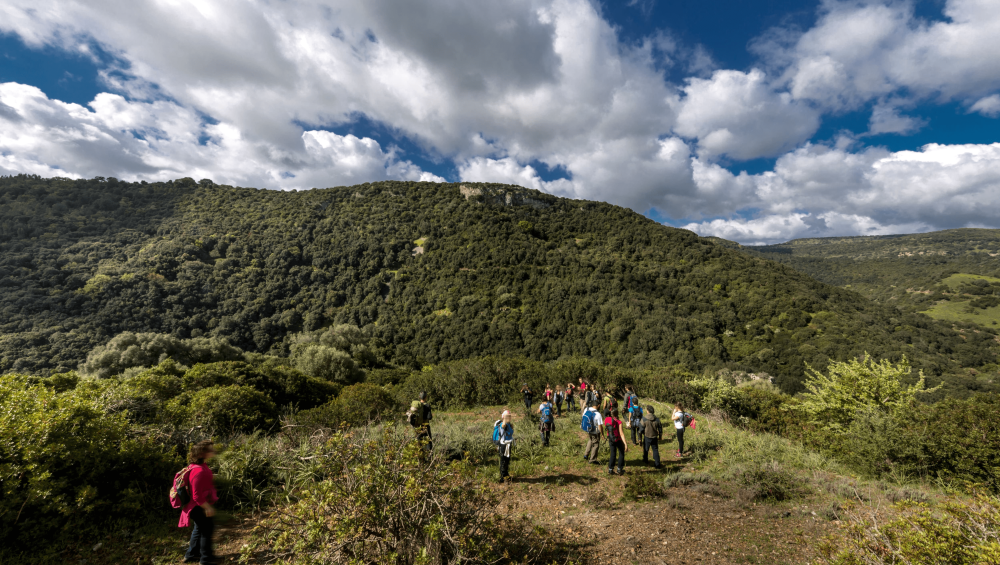
October’s mild temperatures and pleasant weather make it the perfect time to engage in outdoor activities and explore Sardinia’s rugged landscapes. The island is a paradise for hikers and nature enthusiasts, offering a diverse range of trails and breathtaking vistas.

One of the most famous hiking routes in Sardinia is the “Selvaggio Blu”, a challenging trek that spans over 40 miles along the island’s eastern coastline. This multi-day hike takes you through rugged cliffs, hidden beaches, and remote wilderness, offering a truly off-the-beaten-path experience. October provides ideal hiking conditions, with cooler temperatures and fewer hikers on the trail, allowing you to fully immerse yourself in the natural beauty of Sardinia.

If you prefer a less strenuous outdoor activity, Sardinia offers an abundance of scenic bike route (take a look our Excursion page). From coastal paths that take you along the turquoise waters of the Mediterranean to mountainous trails that lead you through picturesque villages, there is something for every type of cyclist. October’s pleasant temperatures make it an enjoyable time to explore the island on two wheels, taking in the stunning landscapes at your own pace.

CULTURAL & HISTORICAL SITES TO VISIT IN SARDINIA

Sardinia’s rich history and cultural heritage are evident in its numerous archaeological sites and ancient ruins. October provides a quieter and more peaceful atmosphere to explore these cultural treasures, allowing you to fully appreciate their significance.

One of the must-visit archaeological sites in Sardinia is Nora, located near the town of Pula. This ancient Roman and Phoenician city dates back to the 8th century BC and offers a fascinating glimpse into Sardinia’s past. Explore the well-preserved ruins, including a theater, thermal baths, and mosaics, and imagine what life was like in ancient times. The coastal location of Nora adds to its allure, with stunning views of the sea providing a picturesque backdrop.

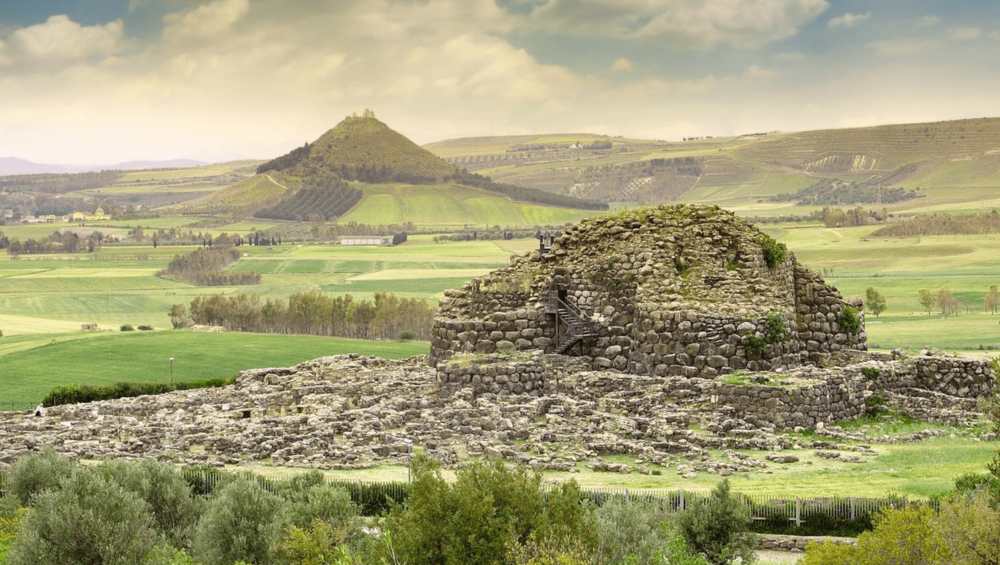
For history enthusiasts, a visit to the Nuraghe di Barumini is a must. This UNESCO World Heritage site is home to a complex of ancient stone structures dating back to the Bronze Age. These nuraghe towers, unique to Sardinia, are shrouded in mystery and continue to intrigue archaeologists and historians to this day. October offers a more intimate experience, allowing you to explore the site without the crowds and truly appreciate the ancient craftsmanship and engineering of the nuraghe.

HOW TO PLAN YOUR TRIP TO SARDINIA IN OCTOBER

Planning a trip to Sardinia in October requires careful consideration to make the most of your visit. Here are a few tips for your perfect getaway, and remember, we are here to help with everything from accommodations to unforgettable experiences:

1. Book accommodations in advance: Although October is a quieter time to visit Sardinia, it’s still advisable to book your accommodations in advance, especially if you plan to stay in popular coastal towns or resorts.

2. Rent a car: If you like to explore the Island by yourself, Sardinia’s hidden gems are often tucked away in remote locations, making a rental car the most convenient way to explore the island. Having your own transportation will allow you to venture off the beaten path and discover the lesser-known treasures at your own pace.

3. Tours and Experiences: A local guide and driver in Sardinia can enhance your trip by providing local insights, navigating the island’s roads, and ensuring a stress-free experience. With our expertise, you’ll discover hidden gems, have a people-to-people connection,  enjoy authentic experiences, and travel comfortably between destinations.

4. Pack for changeable weather: While October generally offers mild temperatures, it’s always a good idea to pack layers and be prepared for sudden weather changes, especially if you plan to engage in outdoor activities or visit higher altitudes.

5. Research local events and festivals: Make sure to research any local events or festivals taking place during your visit. These cultural celebrations provide a unique opportunity to immerse yourself in Sardinian traditions and create unforgettable memories. For a stress-free Sardinian adventure, contact us for everything!

By planning ahead and taking advantage of the unique opportunities that October brings, you’ll be able to experience Sardinia at its best, enjoying the hidden gems, stunning beaches, delicious cuisine, and rich cultural heritage that make this Mediterranean gem truly unforgettable.

CONCLUSION: WHY OCTOBER IS THE BEST TIME TO VISIT SARDINIA

By visiting in October, you’ll have the opportunity to explore the hidden places of Sardinia undisturbed. From the charming coastal towns of Alghero and the Gulf of Orosei’s secluded coves to the breathtaking beaches of Costa Smeralda, Sardinia’s natural beauty will leave you speechless. October also brings with it a variety of food festivals and cultural events that allow you to immerse yourself in the island’s traditions. Whether you’re sampling traditional Sardinian dishes at the Festa di San Simplicio or experiencing the rural heritage at Autunno in Barbagia, you’ll create memories that will last a lifetime.

For outdoor enthusiasts, October offers the perfect weather for hiking, biking, and exploring Sardinia’s rugged landscapes. From the challenging Selvaggio Blu trek to scenic bike routes, there are endless opportunities to connect with nature and discover the island’s hidden treasures.

So why wait? Contact us and start planning your trip to Sardinia in October and experience the magic, tranquility, and unique charm of this Mediterranean gem. Discover the hidden locations, indulge in the stunning beaches, savor the delicious cuisine, and immerse yourself in the rich culture and history of Sardinia. Your October adventure awaits!

In conclusion, October offers the perfect combination of mild temperatures, fewer crowds, and a plethora of activities and events in Sardinia. Whether you’re seeking beachside relaxation, cultural exploration, outdoor adventures, or culinary delights, this Mediterranean gem has something for everyone. Don’t miss out on the opportunity to visit Sardinia in October and experience its magic, tranquility, and unique charm.

Vacation money | Is Sardinia expensive with dranexperience.com

Uncovering the Myth: Is Sardinia Really as Expensive as they Say?

Travel, because money returns, time does not

Tucked away in the crystal-clear waters of the Mediterranean, Sardinia has long been known as a playground for the rich and famous. Its reputation for luxury and exclusivity (think about Costa Smeralda) has led many to believe that a trip to this stunning Italian island comes with a hefty price tag. But is Sardinia really as expensive as they say?

In this article, we aim to uncover the truth behind the myth of Sardinia’s expensive reputation. We’ll delve into the cost of accommodations, dining out, and exploring the island’s breathtaking landscapes. Through careful research and analysis, we’ll provide a comprehensive overview of expenses, helping you decide whether Sardinia is worth the splurge or if it’s possible to enjoy this idyllic destination on a budget.

Prepare to be surprised as we debunk common misconceptions and reveal insider tips on how to make the most of your Sardinian adventure without breaking the bank. Whether you’re a luxury seeker or a budget-conscious traveler, join us on this journey as we unveil the truth about the real cost of experiencing Sardinia’s magic. Are you also looking for a local guide for a multi-day tour? Take a look at this page

FACTORS THAT CONTRIBUTE TO THE PERCEPTION OF SARDINIA BEING EXPENSIVE

Sardinia’s reputation for being an expensive destination is not unfounded. The island’s luxurious appeal has long attracted a wealthy clientele, resulting in a high-end tourism industry that caters to their demands. The island has a limited number of hotel rooms and exclusive resorts that command premium prices.

In addition, Sardinia’s location in the Mediterranean makes it an expensive destination to get to, with airfares and ferry tickets costing more than other popular destinations. The island’s infrastructure is also less developed compared to other tourist hotspots, which means that transportation and other services are more expensive. However, it is important to note that the perception of Sardinia as an expensive destination is not entirely accurate. There are plenty of affordable options available for travelers who are willing to do their research and plan their trip accordingly.

COST OF LIVING IN SARDINIA COMPARED TO OTHER POPULAR DESTINATIONS

When it comes to the cost of living, Sardinia is on par with many other popular tourist destinations in Europe. The cost of groceries, transportation, and other basic necessities is comparable to that of other Italian cities such as Rome and Milan.

However, the cost of accommodation in Sardinia is higher than other Italian destinations due to the island’s limited capacity. Luxury resorts and high-end hotels are the norm in Sardinia, but there are also plenty of budget-friendly options such as B&Bs, hostels, and rental apartments.

As mentioned earlier, Sardinia is known for its luxurious and exclusive resorts, which can cost upwards of €1000 per night. However, this is not the only accommodation option available on the island.

Budget-conscious travelers can opt for B&Bs or rental apartments, which can cost as low as €30 per night. Hostels are also a popular option, with prices ranging from €15 to €50 per night. Camping is also a viable option for those who enjoy the great outdoors, with campsites offering affordable options for travelers on a budget.

Transportation costs in Sardinia can be expensive, especially if you rely on taxis or private transfers. The island’s public transportation system is limited, with buses and trains covering only the main towns and cities. Renting a car is the most convenient way to get around Sardinia, but it can also be expensive. Prices for car rentals start at around €30 per day, with additional fees for insurance and gas. However, renting a car also allows you to explore the island at your own pace and discover hidden gems that are not accessible by public transportation.

Food is an essential part of the Sardinian experience, and the island is known for its delicious cuisine. However, dining out in Sardinia can be expensive, especially in high-end restaurants.

But there are plenty of affordable options for foodies on a budget. Street food vendors offer delicious and affordable options, and local markets provide fresh produce and ingredients for those who prefer to cook their meals. Eating at trattorias and pizzerias is also a great way to enjoy authentic Sardinian cuisine without breaking the bank.

EXPLORING SARDINIA ON A BUDGET: MONEY-SAVING TIPS AND TRICKS

Traveling to Sardinia on a budget is possible with some careful planning and research. Here are some tips to help you save money while exploring the island:

  • Travel during the off-season when prices are lower and crowds are thinner
  • Opt for budget-friendly accommodations such as B&Bs, hostels, or rental apartments
  • Rent a car and explore the island at your own pace
  • Eat at local markets, trattorias, and pizzerias instead of high-end restaurants
  • Take advantage of free activities such as hiking, swimming, and exploring local villages
  • Purchase tickets for museums and attractions in advance to save money

While Sardinia may be more expensive than other destinations, the island offers unparalleled experiences that are worth the splurge. From its stunning beaches to its rich history and culture, Sardinia has something for everyone.

The island’s luxurious appeal is not just about the cost, but also about the quality of experiences that it offers. From high-end resorts to authentic local experiences, Sardinia provides a unique and unforgettable travel experience that is worth the investment.

CONCLUSION: DEBUNKING THE MYTH AND ENCOURAGING TRAVELERS TO EXPLORE SARDINIA

In conclusion, Sardinia is not as expensive as it may seem. While the island’s high-end tourism industry caters to a wealthy clientele, there are plenty of affordable options available for budget-conscious travelers.

By doing some research and planning, travelers can enjoy all that Sardinia has to offer without breaking the bank. From its stunning beaches to its delicious cuisine and rich history, Sardinia is a unique and unforgettable destination that is worth exploring. So why not book your trip today and experience the magic of Sardinia for yourself? 

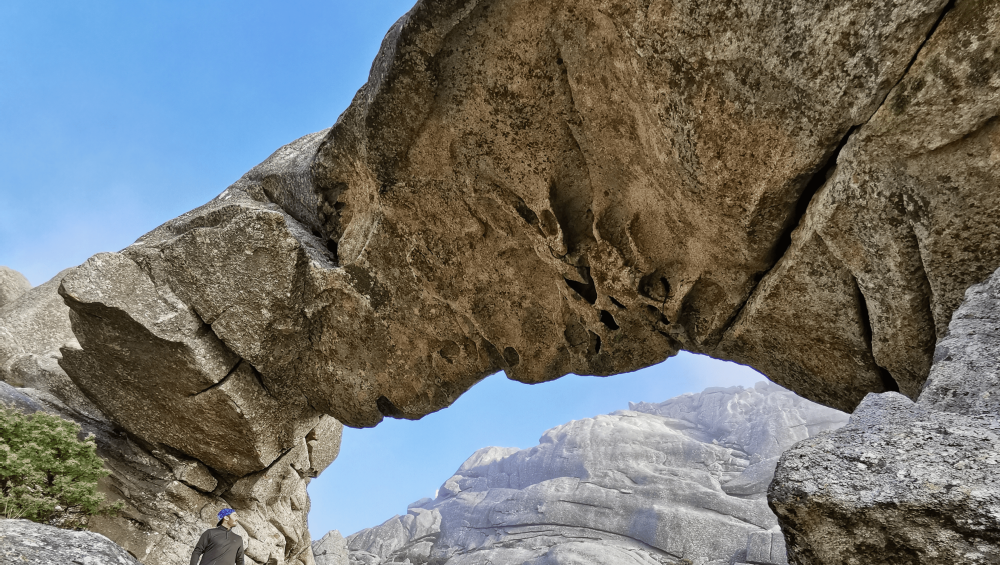
Suprappare Arch | Is Sardinia worth visiting with Dranexperience.com

Discover the Enchanting Beauty of Sardinia: Is it Worth Visiting?

Siamo il regno ininterrotto del lentisco, delle onde che ruscellano i graniti antichi, della rosa canina, del vento, dell’immensità del mare. Siamo una terra antica di lunghi silenzi, di orizzonti ampi e puri, di piante fosche, di montagne bruciate dal sole e dalla vendetta. Noi siamo sardi.

Welcome to the enchanting land of Sardinia, where crystal-clear turquoise waters meet rugged cliffs and captivating history intertwines with breathtaking natural beauty. Nestled in the heart of the Mediterranean, this Italian island is a hidden gem waiting to be discovered. But is it worth visiting? Let me paint you a picture. Imagine exploring ancient ruins that date back to the Bronze Age, walking through cobblestone streets lined with colorful buildings, and lounging on pristine beaches with powdery white sand. Sardinia offers all this and more. Whether you’re a history buff, a nature lover, or simply seeking relaxation, this island has something to offer everyone.

But it’s not just the sights that make Sardinia special. Indulge in the island’s gastronomic delights, from mouthwatering seafood dishes to local wines that will leave your taste buds tingling. Immerse yourself in the vibrant culture and traditions of the Sardinian people, and be swept away by their warm hospitality. So, after that, is Sardinia worth visiting? Absolutely. The allure of its stunning landscapes, rich history, and unique experiences make it an unforgettable destination. Get ready to embark on an adventure of a lifetime and let Sardinia cast its spell on you.

Are you looking for a local guide for a multi-day tour? Take a look at this page

SARDINIA’S NATURAL WONDERS

Sardinia’s landscapes are a sight to behold. From the towering cliffs of Capo Testa to the lush forests of Gola di Gorropu, the island is a paradise for nature lovers. The Maddalena Archipelago, a national park comprising several islands, offers a glimpse into untouched beauty, with its pristine beaches and crystal-clear waters. The island’s interior is dotted with stunning lakes, such as Lago di Baratz, the only natural freshwater lake in Sardinia.

But it’s not just the scenery that makes Sardinia special; it’s also home to unique flora and fauna. The island is known for its ancient olive trees, some of which are over a thousand years old. Wildlife enthusiasts can spot rare species, such as the Sardinian deer and the griffon vulture, in the protected areas of Sardinia. The natural wonders of Sardinia are truly a feast for the senses, with their vibrant colors, fragrant scents, and symphony of sounds. Whether you’re hiking through the rugged mountains or strolling along the picturesque coastline, the beauty of Sardinia will leave you in awe.

SARDINIA’S CULTURAL HERITAGE

Sardinia is a treasure trove of history and culture. The island has been inhabited since prehistoric times, and evidence of its rich past can be found in the numerous archaeological sites scattered across the island. Nuraghe Su Nuraxi, a UNESCO World Heritage site, is a mesmerizing fortress dating back to the Bronze Age. Its impressive stone towers stand as a testament to the island’s ancient civilization.

Local people are proud of their cultural heritage and traditions. They have preserved their unique language, Sardinian, which has its roots in Latin and is considered one of the oldest Romance languages. Traditional festivals, such as the Cavalcata Sarda and the Sartiglia, showcase the island’s folklore and allow visitors to immerse themselves in the vibrant Sardinian culture.

Visiting the charming towns of Sardinia is like stepping back in time. Explore the narrow cobblestone streets of Alghero, with its Spanish influence and medieval architecture. Wander through the colorful buildings of Bosa, a picturesque town situated on the banks of the Temo River. Each town has its own story to tell and offers a glimpse into the island’s rich history.

One of the best ways to immerse yourself in the culture of Sardinia is to book a tour with us, take a look.

THE ENCHANTING BEACHES OF SARDINIA

Sardinia is renowned for its stunning beaches, which are among the most beautiful in the world. The Costa Smeralda, with its emerald-green waters and pristine white sand, is a playground for the rich and famous. But there are also hidden gems waiting to be discovered, such as Cala Goloritzé, a secluded beach accessible only by boat or a challenging hike.

The diversity of Sardinia’s coastline is truly remarkable. From long stretches of sandy beaches to hidden coves nestled between rugged cliffs, there’s a beach for every taste. The Spiaggia Rosa, or Pink Beach, gets its name from the tiny pink shells that mix with the sand, creating a unique rosy hue. And let’s not forget the arches and rock formations of Capo Caccia, which add a touch of drama to the already breathtaking scenery.

Whether you’re looking to relax on a sun-drenched beach or explore underwater caves while snorkeling, Sardinia’s beaches offer endless possibilities for adventure and relaxation.

SARDINIA’S DELICIOUS CUISINE

No visit to Sardinia would be complete without indulging in its mouthwatering cuisine. The island’s gastronomy is a reflection of its rich history and diverse influences. Seafood lovers will be in paradise, with an abundance of fresh fish and shellfish on offer. Try the traditional dish, bottarga, made from cured fish roe, or savor a plate of fregola, a type of pasta similar to couscous, served with clams and bottarga.

Sardinia is also known for its exceptional wines. The Vermentino, a crisp white wine, pairs perfectly with seafood dishes, while the Cannonau, a robust red, is the ideal companion for hearty meat dishes. Don’t forget to sample the local pecorino cheese, made from sheep’s milk, which has a distinct flavor that varies depending on the aging process.

The island’s culinary traditions are deeply rooted in its culture and are best experienced in the local agriturismi, where you can taste traditional Sardinian dishes prepared with locally sourced ingredients. Prepare to embark on a culinary journey that will tantalize your taste buds and leave you craving for more.

EXPLORING THE CHARMING TOWNS OF SARDINIA

Sardinia is home to a multitude of charming towns, each with its own unique character. Cagliari, the island’s capital, is a vibrant city that blends history with modernity. Explore the medieval Castello district, with its narrow streets and ancient buildings, and soak in the panoramic views from the Bastione di Saint Remy.

Alghero, on the northwest coast, is known for its Catalan influence, evident in its architecture and cuisine. Take a leisurely walk along the city walls and enjoy the stunning sunset over the sea. Oristano, a charming town in the west, is famous for its carnival, a spectacle of colorful costumes and traditional dances.

Each town has its own hidden gems waiting to be discovered, whether it’s a hidden church tucked away in a narrow alley or a local artisan shop selling handmade crafts. Exploring the towns of Sardinia is like stepping into a postcard, with their vibrant colors and old-world charm.

SARDINIA’S UNIQUE FESTIVALS AND TRADITIONS

Sardinia is a land of festivals and traditions, where ancient rituals are still celebrated to this day. The Cavalcata Sarda, held in Sassari, is a colorful parade that showcases the island’s traditional costumes and equestrian skills. The Sartiglia, a medieval jousting tournament held in Oristano, is a spectacle of knights in armor and acrobatic horse riders.

Music plays a central role in Sardinian culture, and traditional folk music can be heard during festivals and celebrations. The launeddas, a unique Sardinian instrument made from reeds, produces haunting melodies that transport you to another time. The island’s religious festivals are also worth experiencing. The Sant’Efisio procession, held in Cagliari, attracts thousands of pilgrims who walk for kilometers to pay homage to the saint. The festival culminates with a colorful parade through the streets of the city.

OUTDOOR ACTIVITIES AND ADVENTURES

For adrenaline junkies and outdoor enthusiasts, Sardinia offers a wide range of activities to get your heart racing. The island’s rugged terrain is perfect for hiking and rock climbing, with trails that lead to breathtaking vistas and hidden caves. The Gola di Gorropu, Europe’s deepest canyon, is a paradise for climbers and hikers alike.

Water sports enthusiasts will find plenty to keep them entertained, from windsurfing and kitesurfing to kayaking and sailing. The island’s crystal-clear waters are also ideal for diving and snorkeling, with colorful marine life and underwater caves waiting to be explored. If you prefer to take to the skies, paragliding and hot air ballooning offer a unique perspective of the island’s landscapes. Soar above the rugged coastline and marvel at the turquoise waters below. Take a look our big brochure of activities in Alghero or contact us for an exclusive tour everywhere in Sardinia.

Take a look at our wide range of activities directly from this link.

PRACTICAL TIPS FOR VISITING SARDINIA

Before you embark on your Sardinian adventure, here are some practical tips to help you make the most of your trip:

1. The best time to visit Sardinia is during the spring and autumn, when the weather is pleasant and the crowds are smaller.

2. Renting a car is the best way to explore the island, as public transportation can be limited.

3. Make sure to pack comfortable shoes and clothing, as you’ll be doing a lot of walking and outdoor activities.

4. Try to learn a few basic Italian phrases, as English may not be widely spoken in some areas.

5. Don’t forget to bring sunscreen and a hat, as the sun can be strong, especially during the summer months.

6. Contact a local expert, you need some help to plan your trip to Sardinia between the right accommodation, experience, transfer, best restaurants or maybe just for some suggestions about your holiday. Please go to travelplannerfamily.com, you will save time, stress and money.

CONCLUSION: IS SARDINIA WORTH VISITING?

In conclusion, Sardinia is undoubtedly worth visiting. Its stunning natural landscapes, rich cultural heritage, enchanting beaches, and delicious cuisine make it a destination like no other. Whether you’re seeking adventure, relaxation, or a glimpse into the island’s vibrant traditions, Sardinia has something to offer everyone. Immerse yourself in the beauty of this hidden gem, explore its ancient ruins, indulge in its gastronomic delights, and be captivated by the warmth and hospitality of the Sardinian people. Let Sardinia cast its spell on you and create memories that will last a lifetime.

Would you like to explore the island on an exclusive multi-day tour with a private guide? Contact us for a quote.

Nuraghe and valley, history of Sardinia with Dranexperience.com

Uncovering the Enigmatic Past: A Journey Through the Fascinating History of Sardinia

Sardinia is out of time and history

Step back in time and embark on a captivating journey through the enigmatic past of Sardinia. This alluring island, located in the heart of the Mediterranean, boasts a rich and storied history that has fascinated explorers, archaeologists, and historians for centuries.

From prehistoric Nuragic settlements to the conquests of the Phoenicians, Romans, and Vandals, the history of Sardinia spans thousands of years and holds countless hidden treasures waiting to be discovered. As you delve into this intriguing narrative, you’ll uncover ancient ruins, mysterious monuments, and intricate artifacts that shed light on the island’s past civilizations.

Discover the compelling tales of Sardinia’s legendary warrior queens and fearless seafarers who conquered Mediterranean shores. Explore the labyrinthine Nuragic complexes, marvel at the impeccably preserved Roman theaters, and wander through medieval castles that stand as silent witnesses to bygone eras.

Immersing yourself in Sardinia’s history is not just a window into the past; it’s a chance to understand the island’s unique culture and traditions that endure to this day. So, join us on this enthralling journey as we unearth the secrets of Sardinia’s captivating history and discover the threads that connect its past to the present.

Are you looking for a local guide for a multi-day historical tour? Take a look at this page

PREHISTORIC SARDINIA: NURAGIC CIVILIZATION AND MEGALITHIC STRUCTURES

The history of Sardinia begins in the mists of prehistory, with the enigmatic Nuragic civilization. The Nuragic people, who inhabited the island from around 1800 BC to 238 BC, left behind a legacy of impressive stone structures that continue to puzzle archaeologists to this day. These megalithic constructions, known as Nuraghe, are unique to Sardinia and serve as a testament to the advanced engineering skills of the ancient inhabitants.

The Nuragic complexes consist of central towers surrounded by smaller towers, with intricate corridors and chambers. These structures were likely used for various purposes, including defensive fortifications, religious rituals, and social gatherings. As you explore these ancient sites, such as Su Nuraxi in Barumini or Santu Antine in Torralba, you’ll be transported back in time, marveling at the ingenuity of the Nuragic civilization.

The megalithic structures of Sardinia are not limited to the Nuragic period. The island is also home to numerous dolmens, menhirs, and sacred wells, which further enrich the archaeological landscape. These ancient monuments, scattered across the island, provide a glimpse into the spiritual beliefs and cultural practices of Sardinia’s early inhabitants, connecting us to a distant past. One of the best way to explore the prehistoric of Sardinia is to book a tour with us, between Nuraghe, tombs, necropolis and the ancient life of Nuragic people.

One of the best ways to explore the prehistory of Sardinia is to book a tour with us, among Nuraghi, tombs, necropolis and the ancient life of the Nuragic people.

PHOENICIAN AND CARTHAGINIAN INFLUENCE ON SARDINIA

In the 9th century BC, Sardinia became a strategic outpost for the Phoenicians, who established trading colonies along the island’s coasts. This marked the beginning of a new chapter in Sardinia’s history, as the Phoenician influence spread throughout the island. The Phoenicians brought with them their advanced maritime skills, trading networks, and cultural practices, leaving an indelible mark on Sardinian society.

The Carthaginians, a powerful civilization descended from the Phoenicians, later took control of Sardinia. During this period, the island became a crucial hub for trade in the Mediterranean, with its rich mineral resources and strategic location attracting the attention of various powers.

While the Phoenician and Carthaginian presence in Sardinia may have been marked by conflict and conquest, it also brought new technologies, agricultural practices, and cultural exchanges. The legacy of these ancient civilizations can still be seen in Sardinia’s language, art, and architecture, reminding us of the island’s enduring connection to its past.

THE IMPORTANCE OF SARDINIA IN THE ROMAN EMPIRE

In 238 BC, Sardinia fell under Roman rule, marking the beginning of a new era for the island. The Romans recognized the strategic importance of Sardinia, using it as a crucial base for their military campaigns in the Mediterranean. The island’s rich agricultural resources, particularly its grain production, made it a vital asset for feeding the growing Roman Empire.

During the Roman period, Sardinia experienced significant development and urbanization. The Romans built impressive infrastructure, such as aqueducts, roads, and bridges, transforming the island’s landscape. The well-preserved Roman theaters in Nora and Tharros stand as testaments to the grandeur of Roman architecture and the importance of entertainment in ancient Sardinian society.

Sardinia’s strategic location also made it a melting pot of cultures and a center for trade, attracting merchants and settlers from across the Mediterranean. The island’s position as a crossroads between East and West fostered cultural exchanges and the assimilation of diverse influences, shaping Sardinia’s unique identity.

BYZANTINE RULE AND THE RISE OF CHRISTIANITY IN SARDINIA

With the decline of the Roman Empire, Sardinia came under Byzantine rule in the 6th century AD. The Byzantines brought with them Christianity, which gradually replaced the island’s previous pagan beliefs. Churches and monasteries were established, leaving behind a rich legacy of religious art and architecture.

The Byzantine period in Sardinia was marked by political instability and conflicts with various invaders, including the Vandals and the Saracens. These invasions disrupted the island’s cultural and economic development, but also contributed to its rich tapestry of influences.

Despite the challenges, Sardinia managed to preserve its Christian traditions, with many ancient churches still standing today. Visiting the stunning Basilica of San Gavino in Porto Torres or the Cathedral of Santa Maria in Cagliari allows you to witness the island’s deep-rooted religious heritage and admire the masterful craftsmanship of the Byzantine artisans.

ELEANORA OF ARBOREA IN THE XIV CENTURY

Eleanora d’Arborea was a significant figure in the history of medieval Sardinia. She was a regent and judge (giudicessa) of Arborea, one of the four Giudicati (judicial kingdoms) of the island during the period of the Giudicati in Sardinia, characterized by the rule of independent judges or sovereigns.

Born around 1347 and passing away in 1404, Eleonora d’Arborea is chiefly remembered for her leadership during the 14th century. She is particularly renowned for drafting the Carta de Logu in 1392, a crucial legal code that guaranteed rights and freedoms to the Sardinian people. This statute proved pivotal in the island’s history, influencing Sardinia’s legal and social system for many centuries.

Eleonora d’Arborea defended the independence and sovereignty of her land from external influences. She fought to protect the territory of Arborea from the interests of neighboring kingdoms, including the Kingdom of Aragon. Her legacy endures in Sardinian history as a symbol of courage, independence, and advocacy for the rights of the Sardinian people before the Spanish domination.

THE SPANISH DOMINATION

In the 14th century, Sardinia came under the rule of the Crown of Aragon, ushering in a new era of Spanish domination. The Spanish influence on the island was profound, shaping its language, culture, and institutions. The Kingdom of Sardinia was established, and the island became a strategic stronghold for the Spanish Empire in the Mediterranean.

During this period, Sardinia experienced a flourishing of arts and architecture, with the Spanish nobility commissioning grand palaces and churches. The impressive Alghero Cathedral, with its Catalan-Gothic style, is a testament to this period of artistic patronage.

Spanish rule in Sardinia lasted for several centuries, leaving an indelible mark on the island’s traditions and customs. The legacy of the Spanish period can still be seen in Sardinia’s unique blend of Italian and Catalan influences, its vibrant festivals, and its distinct dialects. Explore Alghero’Old Town to understand better the Catalan influence, between rampant, walls, towers, traditions and local dishes. 

SARDINIA’ROLE IN THE NAPOLEONIC ERA

In the early 19th century, Sardinia played a pivotal role in the tumultuous events that shaped the modern Italian nation. The island became a refuge for exiled Italian patriots, who sought to unite the fragmented Italian states under a single nation. Sardinia’s strategic location made it an ideal base for planning and organizing the Risorgimento, the Italian unification movement.

The Kingdom of Sardinia, led by the House of Savoy, became the driving force behind the unification process. Sardinian troops, under the command of King Victor Emmanuel II, played a crucial role in the Italian Wars of Independence, which eventually led to the establishment of a unified Italy in 1861.

Sardinia’s contribution to the unification of Italy is commemorated in various monuments and museums across the island. The Risorgimento Museum in Cagliari, for example, showcases artifacts and documents that shed light on this pivotal period in Italian history.

SARDINIA IN THE WORLD WARS

Like the rest of Italy, Sardinia was not immune to the turmoil of the 20th century. During World War I, the island served as a strategic military base for the Italian forces, and its ports played a crucial role in supplying the front lines. The scars of war can still be seen in the numerous military fortifications and bunkers that dot the coastline.

World War II brought further hardship to Sardinia, as the island became a target for Allied bombings due to its strategic location. Despite the destruction and loss of life, Sardinia played a role in the liberation of Italy, with Italian partisans and Allied forces launching operations from the island.

In the post-war period, Sardinia experienced economic and social transformations. The island’s economy shifted from agriculture to industry, and tourism began to emerge as a key sector. Today, Sardinia is known for its pristine beaches, crystal-clear waters, and vibrant cultural festivals, attracting visitors from around the world.

CULTURAL HERITAGE AND TRADITIONS IN SARDINIA

Immersing yourself in Sardinia’s history is not just a window into the past; it’s a chance to understand the island’s unique culture and traditions that endure to this day. Sardinia’s rich cultural heritage is expressed through its language, music, dance, and gastronomy.

The Sardinian language, known as Sardu, is distinct from Italian and has several regional variations. It is considered one of the oldest Romance languages, with roots in both Latin and the ancient Nuragic civilization. Listening to traditional Sardinian songs, such as the hauntingly beautiful “Cantu a Tenore” or the lively “Ballu Tundu,” allows you to experience the island’s rich musical heritage.

Sardinia’s traditional festivals and religious processions are vibrant expressions of the island’s cultural identity. From the elaborate costumes and masks of the Carnival of Oristano to the solemn rituals of the Holy Week in Cagliari, these celebrations showcase the deep-rooted traditions that have been passed down through generations.

Sardinian cuisine is a reflection of the island’s history and geography, with influences from various Mediterranean cultures. From the hearty pasta dishes, such as malloreddus and culurgiones, to the succulent roasted meats and seafood specialties, Sardinian cuisine offers a gastronomic journey through the island’s flavors and traditions.

CONCLUSION: SARDINIA’S RICH HISTORY AND ITS IMPACT ON THE PRESENT

As we conclude this captivating journey through the history of Sardinia, we realize that the island’s past is not just a distant memory confined to ancient ruins and artifacts. Sardinia’s rich history has shaped its present, leaving an enduring legacy that can be seen in its language, architecture, traditions, and cultural identity.

By immersing ourselves in the enigmatic past of Sardinia, we gain a deeper understanding of the island’s unique character and the threads that connect its ancient civilizations to the present. Whether exploring the megalithic Nuragic structures, marveling at the grandeur of Roman theaters, or participating in vibrant cultural festivals, Sardinia invites us to embark on a journey of discovery, where the past and the present merge in a timeless dance. So, come and uncover the secrets of Sardinia’s captivating history, and let the island’s enigmatic past leave an indelible mark on your soul.

Would you like to explore the history of Sardinia in an Exclusive multiday tour with a private guide? Contact us for a quote. Would you like to explore the history of Sardinia on an exclusive multi-day tour with a private guide? Contact us for a quote.

Monte D'Accoddi, Tour Sardinia with Dranexperience.com

Uncover the Enchanting Beauty of Sardinia: A Comprehensive Tour Guide

Sardinia is something else. Enchanting spaces and distances to travel

Are you ready to embark on a journey to one of Europe’s hidden gems? Welcome to Sardinia, a captivating island in the heart of the Mediterranean. Known for its pristine beaches, crystal-clear waters, and rich cultural heritage, Sardinia offers a truly enchanting experience for travelers seeking a unique escape. In our comprehensive tour Sardinia guide, we will take you on a virtual adventure, unraveling the secrets and marvels of this picturesque island. From exploring ancient Nuragic ruins to indulging in authentic local cuisine, Sardinia has something to offer for every type of traveler.

As you explore this enchanting island, you’ll discover a world of breathtaking beauty, from the dramatic cliffs of the west coast to the untouched wilderness of the Gennargentu National Park. Immerse yourself in the island’s fascinating history as you wander through charming cobblestone streets and visit medieval towns steeped in ancient traditions. Whether you’re a sun-seeking beach lover, an avid hiker, or a history enthusiast, Sardinia promises an unforgettable adventure.

Looking for a private tour guide in Sardinia? Take a look this page

GEOGRAPHY AND CLIMATE OF SARDINIA

Sardinia is the second-largest island in the Mediterranean, Sardinia,  boasts a diverse landscape that ranges from rugged mountains to pristine coastlines. The island is divided into different sub-region and ach region offers its own unique charm and natural beauty.

Climate in Sardinia is Mediterranean, with hot, dry summers and mild winters. The island enjoys an average of 300 days of sunshine per year, making it an ideal destination for beach lovers. The coastal areas experience a refreshing sea breeze, while the inland regions offer a cooler and more mountainous climate, this is a paradise for outdoor enthusiasts and Sardinia’s natural wonders are waiting to be explored.

BEST TIME TO VISIT SARDINIA

Sardinia can be enjoyed year-round, but the best time to visit depends on your preferences and interests. The summer months from June to September are ideal for beach lovers, with temperatures averaging around 30°C (86°F) and long hours of sunshine. If you’re interested in outdoor activities and hiking, the spring and autumn months are the best time to visit. The weather is mild, and the landscapes come alive with blooming flowers and greenery.

For those looking to immerse themselves in Sardinia’s Tour cultural traditions, consider visiting during one of the many festivals that take place throughout the year. From religious processions during Easter to colorful carnivals during Carnival, passing through the amazing Christmas time (read our last article about Christmas in Sardinia too), these events offer a unique insight into the island’s rich heritage.

ATTRACTIONS IN SARDINIA

This location is home to numerous attractions that will leave you in awe of its beauty and cultural heritage. One of the most popular destinations on the island is the Costa Smeralda, known for its luxurious resorts, pristine beaches, and vibrant nightlife. Take a stroll along the marina and indulge in some high-end shopping, or simply relax on the white sandy beaches and soak up the sun.

Another highlight of Sardinia is the archipelago of La Maddalena, a protected national park consisting of seven main islands and numerous smaller islets. Explore the crystal-clear waters, go snorkeling or diving, and discover the hidden treasures of this marine paradise.

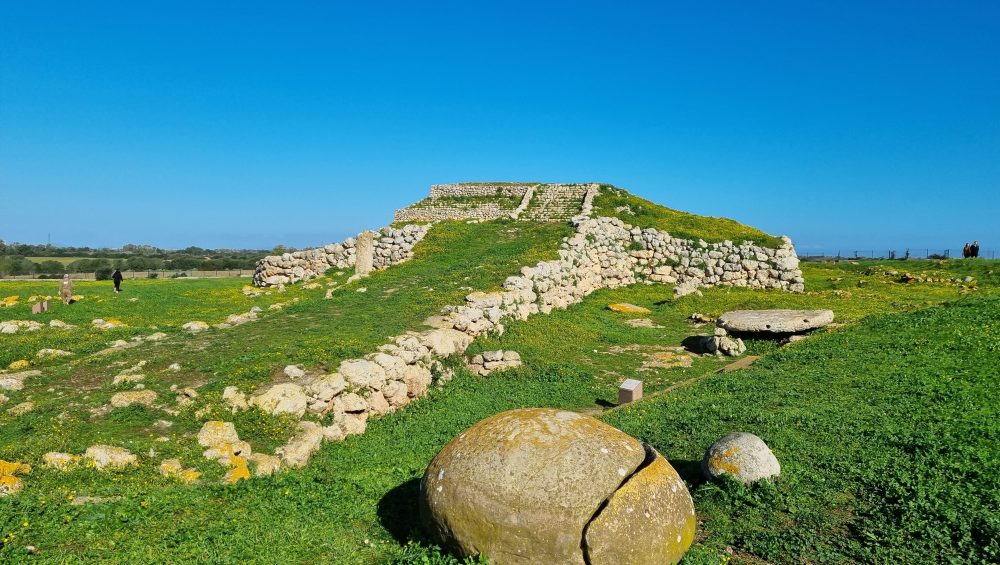
For history buffs, a visit to one of the 7000 ancient Nuragic ruins is a must. These mysterious stone structures, dating back to the Bronze Age, are unique to Sardinia and offer a glimpse into the island’s ancient past. The UNESCO World Heritage site of Su Nuraxi in Barumini is a particularly impressive example, showcasing the architectural prowess of the Nuragic civilization. But Sardinia is also

  • Beaches in Sardinia : Sardinia’s beaches are a product of the island’s geological history, as well as the ongoing processes of erosion and deposition. The beaches are constantly changing, reflecting the dynamic nature of the island’s geology, anyway,  Sardinia is renowned for its stunning beaches, which are considered some of the best in Europe. From secluded coves to long stretches of sandy shores, the island offers a wide variety of coastal landscapes for beach lovers to enjoy. The north east coast, with its turquoise waters and golden sands, is undoubtedly one of the most popular beach destinations in Sardinia. If you prefer a more rugged and untouched beach experience, make your way to the Costa Verde in the southwest or Nurra in the North West. Here, you’ll find long stretches of sandy dunes and wild landscapes that are perfect for those seeking tranquility and seclusion. More information about beaches in Sardinia just take a look this link.
  • Sardinian cuisine and traditional dishes: No trip to Sardinia would be complete without indulging in the island’s rich culinary traditions. Sardinian cuisine is a reflection of its history and geography, with influences from the Mediterranean, Italian, and Spanish cuisines. In this “Guide Sardinia” we also talk about it. One of the most iconic dishes of Sardinia is “porceddu,” a whole roasted suckling pig that is cooked until tender and crispy. This traditional dish is often enjoyed during festive occasions and is a true delicacy of the island.

    Seafood lovers will be delighted by the abundance of fresh fish and shellfish available in Sardinia. Try the “fregola ai frutti di mare,” a flavorful dish made with small balls of pasta and a medley of seafood, or the “bottarga from Cabras,” a cured fish roe that is grated over pasta or served as an appetizer.

    Cheese enthusiasts will be in for a treat with the variety of Sardinian cheeses available. The most famous is the “pecorino sardo“, a hard cheese made from sheep’s milk that has a nutty and slightly salty flavor. Pair it with some traditional Sardinian bread, known as “pane carasau,” for a delicious snack. Live an amazing Cooking Experience with us choosing this tour.

  • Outdoor Excursions: Tours in Sardinia:  Island’s diverse landscape and favorable climate make it an ideal destination for outdoor activities. Whether you’re an adrenaline junkie or a nature lover, the island offers a multitude of options to satisfy your adventurous spirit. Hiking enthusiasts will find an abundance of trails to explore, ranging from easy coastal walks to challenging mountain treks. The Supramonte mountain range in the east is a popular destination for hikers, offering breathtaking views of deep gorges and rugged cliffs. Water sports enthusiasts will be spoiled for choice in Sardinia. The island’s crystal-clear waters are perfect for snorkeling, diving, windsurfing, and sailing. Explore the underwater world filled with colorful marine life, or feel the rush of adrenaline as you catch the wind on a windsurfing board. If you prefer a more relaxed outdoor experience, why not take a leisurely bike ride through the scenic countryside? Explore charming villages, ancient ruins, and vineyards, and immerse yourself in the island’s natural beauty. The Wild Beaches & Snorkeling Tour in Sardinia , with a guide from Sardinia specializes in Marine Biology, is one of our most popular activity during the summer, read details and costs here, we are waiting for you.
 
  • Cultural historical sites in Sardinia: Sardinia’ rich history and cultural heritage can be witnessed through its numerous archaeological sites, museums, and traditional villages. The island’s ancient past is evident in the ruins of Nuragic settlements, Roman amphitheaters, and medieval castles that dot the landscape. Visit the ancient city of Tharros on the western coast, where you can explore the well-preserved ruins of a Phoenician and Roman city. Marvel at the mosaic floors, temples, and amphitheaters that have stood the test of time. The best historical tours in Sardinia is by a custom itinerary, contact us for more information In the heart of Sardinia, you’ll find the charming town of Orgosolo, known for its colorful murals that depict scenes from Sardinian history and culture. Take a stroll through the narrow streets adorned with vibrant artwork and immerse yourself in the island’s artistic traditions. For a glimpse into Sardinia’s maritime history, visit the picturesque town of Bosa, home to a medieval castle and a maze of colorful houses along the river Temo. Explore the narrow alleys, taste the local wines, and soak in the laid-back atmosphere of this hidden gem. The southwest of Sardinia has a fascinating mine history to be explored.

  • Festivals and Events in Sardinia: Sardinia is known for its vibrant festivals and events that celebrate the island’s traditions and cultural heritage. From religious processions to colorful carnivals, there’s always something happening throughout the year.

    One of the most famous festivals in Sardinia is the “Sartiglia” in Oristano. This equestrian event takes place during Carnival and features masked horsemen performing daring acrobatics and jousting competitions. The spectacle attracts locals and tourists alike and is a true testament to the island’s equestrian traditions. During the summer months, many towns and villages come alive with traditional festivals known as “sagre”. These events celebrate local produce, such as cheese, wine, and seafood, and offer a unique opportunity to taste authentic Sardinian cuisine. One of the most popular summer festivals is the “Cavalcata Sarda” in Sassari, where locals dress in traditional costumes and parade through the streets on horseback. The event showcases Sardinia’s proud equestrian heritage and is a sight to behold. A more extensive guide to events in Sardinia can be viewed displayed on this page.

CONCLUSIONS AND FINAL THOUGHTS

Sardinia is a true gem in the Mediterranean, offering a perfect blend of natural beauty, rich history, and cultural traditions. Whether you’re seeking relaxation on pristine beaches, adventure in the great outdoors, or a journey through time and ancient civilizations, Sardinia has it all.

As you explore the enchanting beauty of this island, be prepared to be captivated by its stunning landscapes, indulge in delicious cuisine, and immerse yourself in its fascinating history. Sardinia is a destination that will leave a lasting impression, and once you’ve experienced its charm, you’ll undoubtedly be planning your return.

So pack your bags, contact us and prepare for an unforgettable adventure letting the enchanting beauty of Sardinia will take your breath away.