The Fascinating Symbolism Behind the Sardinia Flag: Unveiling its Hidden Meanings

Sardinia is calling and I must go.

When you travel through Sardinia, whether exploring its rugged coastlines, ancient villages, or vibrant cities, you’ll quickly notice a striking symbol flying proudly from buildings, squares, and homes: the Sardinia Flag, also known as the Flag of the Four Moors (Bandiera dei Quattro Mori). This iconic flag is not just a regional emblem, it tells the story of Sardinia’s complex history, deep-rooted identity, and proud spirit. Looking for a local guide for a multi-day tour? Check out this page

HISTORY AND ORIGIN OF THE SARDINIA FLAG

The origins of the Sardinia Flag trace back to the Middle Ages, during the time of the Reconquista , the Christian campaign to reclaim territories from Muslim rule in Spain. Legend holds that the Crown of Aragon, which ruled both Sardinia and parts of Spain, adopted the symbol of four Moors’ heads to commemorate victories over Muslim forces.

By the 14th century, Sardinia became part of the Crown of Aragon, and the flag was associated with the island’s administration. Over time, the image of the four severed Moorish heads, each blindfolded and facing left, came to represent Sardinia itself, symbolizing resistance, survival, and the reclaiming of identity. In 1952, after several variations over the centuries, the modern version of the Sardinia Flag was officially recognized. Today, the Moors’ heads face right, and the blindfolds have been lifted to sit above the forehead, a change representing awareness and autonomy.

SYMBOLISM BEHIND THE SARDINIA FLAG

Each element of the Sardinia Flag carries deep meaning:

  • The Cross of Saint George divides the flag into four quadrants, a reminder of Christian heritage and the Crusades.
  • The Four Moors symbolize past enemies defeated, but over time have evolved to represent Sardinia’s courage, struggles, and victories.
  • Facing Right reflects freedom, vigilance, and pride, showing a Sardinia that is not passive but alert and strong.

This flag isn’t just a relic of history,  it’s a living symbol of the Sardinian people’s enduring spirit. The Four Moors on the Sardinia Flag are believed to commemorate four key victories of the Crown of Aragon over the Moors (Muslim forces) during the Reconquista, the centuries-long campaign by Christian kingdoms to reclaim Iberian territories. The four battles most commonly associated with the Sardinia Flag are:

  1. Battle of Alcoraz (1096): Near Huesca, in present-day Aragon (Spain). King Peter I of Aragon won a crucial victory against Muslim forces, and legend says Saint George appeared on the battlefield, inspiring Christian forces.
  1. Battle of Zaragoza (1118): The conquest of Zaragoza, another major stronghold of Muslim power in northeastern Spain, by Alfonso I of Aragon. This victory was vital in expanding Christian territories.
  2. Battle of Valencia (1238).The famous siege and conquest of Valencia by King James I of Aragon. A key moment that reinforced the Crown of Aragon’s power and influence.
  1. Battle of Mallorca (1229). The successful conquest of Mallorca by King James I, taking the island from Moorish rule. Important for consolidating Aragonese control over the western Mediterranean,  including Sardinia later on.

CULTURAL SIGNIFICANCE OF THE SARDINIA FLAG

Although the origin of the Sardinia Flag is historically tied to the Crown of Aragon, for the Sardinian people it carries a much older and deeper meaning, one that predates Aragonese rule. The flag is seen as a symbol of the four ancient “Giudicati”, the four independent kingdoms that governed Sardinia between the 9th and 15th centuries. These were: Giudicato of Cagliari (South) – Giudicato of Arborea (Central-West) – Giudicato of Torres (or Logudoro) (Northwest)- Giudicato of Gallura (Northeast)

Each Giudicato was a self-governing state with its own laws, leaders (Giudici or judges), and a strong sense of autonomy. Together, they defended Sardinia against repeated invasions, particularly from Moorish pirates and foreign powers. Thus, the Four Moors on the flag are not only a memory of medieval Christian victories but also a powerful reminder of Sardinia’s independent spirit, its resilience, and the proud legacy of the four historic kingdoms that once ruled the island.

The Sardinia Flag is omnipresent across the island on public buildings and schools, flying alongside the Italian flag; during festivals and religious processions, where it reflects both local pride and ancient traditions; at sporting events, proudly waved by Sardinian athletes and fans; in everyday life, you’ll find it painted on murals, printed on clothes, and used in crafts, a true emblem of belonging. Even today, the flag serves as a symbol of unity among Sardinians, whether they live in Cagliari, Nuoro, Sassari, or abroad.

CONTROVERSIES SURROUNDING THE SARDINIA FLAG

Despite its significance, the Sardinia flag has not been without its controversies. One of the most prominent debates revolves around the depiction of the four moors. While many view the moors as symbols of resistance and cultural pride, others have criticized their representation, arguing that it perpetuates negative stereotypes associated with historical conflicts. This debate often leads to discussions about the portrayal of identity and the complexities of historical narratives, prompting a reevaluation of what the flag represents in contemporary society.

Another controversy relates to the flag’s use in political contexts. Various political groups in Sardinia have appropriated the flag to promote their agendas, leading to tensions within the island’s communities. Some Sardinians feel that the flag is being co-opted for divisive purposes, detracting from its original meaning as a symbol of unity and pride. This appropriation has sparked discussions about the importance of maintaining the flag’s integrity and ensuring that it continues to represent the collective identity of all Sardinians, rather than being used as a tool for political gain.

Additionally, the flag has faced challenges regarding its official status. While it is widely recognized and celebrated by the Sardinian people, there have been discussions about its formal recognition within the broader context of Italian national symbolism. This debate highlights the complexities of regional identities within nation-states and raises questions about how regional symbols can coexist with national flags. Ultimately, these controversies serve to deepen the discussions surrounding the flag, prompting reflection on its meanings and the values it embodies for the people of Sardinia.

CONCLUSION: APPRECIATING THE SYMBOLISM OF THE SARDINIA FLAG

In conclusion, the Sardinia flag is a rich tapestry of history, culture, and identity that encapsulates the essence of the island and its people. Through its striking design, vibrant colors, and powerful symbols, the flag represents not only the historical struggles and aspirations of the Sardinian people but also their deep connection to their culture and heritage. The journey through the flag’s history, its design elements, and the meanings behind its symbols reveals a profound narrative that speaks to the resilience and spirit of the island.

As we appreciate the symbolism of the Sardinia flag, it becomes clear that it is more than just a piece of fabric; it is a powerful emblem of unity, pride, and cultural identity. The flag serves as a reminder of the shared history that binds the Sardinian people together, reflecting their struggles, triumphs, and aspirations for the future. It is a symbol that resonates with both locals and visitors, inviting all who encounter it to delve deeper into the island’s rich cultural landscape.

Ultimately, understanding the Sardinia flag encourages a broader appreciation for the diverse narratives that shape regional identities within the larger context of national histories. By recognizing the significance of such symbols, we foster a greater understanding of the complexities of cultural heritage and the values that unite communities. As we celebrate the Sardinia flag, we not only honor the island’s past but also embrace its vibrant present and hopeful future, ensuring that its meanings continue to resonate for generations to come.

People reading a newspaper | Sardinia language with dranexperience.com

Exploring Sardinia’s Linguistic Tapestry: Preserving the Rich Language Heritage of this Enchanting Island

Qui non ischit fagher, non ischit cumandare.

Welcome to Sardinia, a fascinating island nestled in the heart of the Mediterranean Sea. Sardinia is not just a dreamy destination known for its turquoise waters and pristine beaches; it is also home to a linguistic tapestry unlike any other. In this enchanting paradise, language weaves together the rich heritage and cultural mosaic of the island.

Preserving the diverse languages of Sardinia is a top priority for the locals. From the indigenous Sardinian language, also known as Sardu, to the influence of Italian, Catalan, and even Spanish, this linguistic melting pot is a testament to the island’s intricate history.

Embark on a journey with us as we dive into the nuances of Sardinia’s linguistic tapestry. Discover the efforts made to safeguard these endangered languages, ensuring that they continue to thrive in the modern world. Uncover the stories behind the unique dialects and dialectic variations found across the island. Join us in celebrating the deep-rooted linguistic heritage of Sardinia, a treasure trove waiting to be explored. Looking for a local guide for a multi-day tour? Check out this page

HISTORICAL BACKGROUND OF SARDINIA’S LANGUAGES

Sardinia’s linguistic history is as rich and complex as the island’s geography. The island has been inhabited for thousands of years, with evidence of human presence dating back to the Paleolithic era. Throughout its history, Sardinia has been influenced by various cultures and civilizations, including the Phoenicians, Romans, Byzantines, and later, the Spanish and the Savoy dynasty. Each of these groups contributed to the linguistic landscape of the island, creating a diverse tapestry of languages and dialects that reflect its multifaceted heritage.

During the Roman era, Latin began to take root, significantly impacting the local vernacular. As the island was integrated into the Roman Empire, Latin became the dominant language, leading to the gradual decline of pre-existing languages. However, the various peoples who settled on the island also introduced their own languages, which coexisted alongside Latin. This interplay of languages laid the groundwork for the emergence of modern dialects that are still spoken today, illustrating the island’s historical role as a crossroads of cultures.

The Middle Ages saw further linguistic diversification as Sardinia came under the influence of the Aragonese and Catalans. This period introduced Catalan as a prominent language, particularly in the coastal regions. As a result, the island’s languages evolved, blending elements from different linguistic traditions, a phenomenon that continues to shape the way Sardinians communicate today. Understanding the historical context of these languages offers valuable insights into the identity and culture of the people who inhabit this enchanting island.

MAJOR LANGUAGES SPOKEN IN SARDINIA

Sardinia is home to a variety of languages, each contributing to the island’s unique cultural identity. The primary language spoken is Italian, which serves as the official language of the nation. However, the island’s linguistic landscape is much more diverse, with many residents also communicating in Sardinian, a Romance language that has several dialectical variations. The coexistence of these languages illustrates the island’s rich heritage and the importance placed on linguistic diversity by its inhabitants.

Sardinian, or Sardu, is not merely a single language but a collection of dialects that vary from region to region. These dialects, including Campidanese and Logudorese, reflect the historical and geographical diversity of the island. While Italian is prevalent in urban areas and official contexts, Sardinian is often used in everyday conversation, particularly among older generations. This linguistic duality highlights the complexity of identity on the island, as many Sardinians navigate between their local dialects and the national language.

In addition to Italian and Sardinian, the island has also been influenced by other languages, such as Catalan and Spanish, particularly in areas with a historical connection to these cultures. This influence is especially notable in cities like Alghero, where Catalan is still spoken alongside Italian and Sardinian. The presence of these languages reflects Sardinia’s historical interactions with neighboring regions and its position as a cultural melting pot in the Mediterranean.

The indigenous languages of Sardinia, primarily Sardinian, represent a vital aspect of the island’s cultural identity. Sardinian is classified as a Romance language, closely related to Italian but distinct in its vocabulary, phonetics, and grammar. The language has several dialectical forms, most notably Campidanese and Logudorese, which are spoken in the southern and central parts of the island, respectively. Each dialect possesses unique features, showcasing the linguistic diversity that exists within Sardinia itself.

Sardinian has deep historical roots, with evidence suggesting that it has retained many elements from its ancient predecessors, including influences from the pre-Roman languages of the island. This connection to the past makes Sardinian not just a means of communication but a repository of the island’s history and culture. Many local traditions, folklore, and songs are intrinsically linked to the Sardinian language, emphasizing its importance as a vehicle for cultural expression.

Despite its significance, the use of indigenous languages has faced challenges over the years. The predominance of Italian in education, media, and public life has led to a decline in the everyday use of Sardinian, particularly among younger generations. However, efforts are underway to revitalize the language and promote its use in various contexts, ensuring that it remains a living part of Sardinia’s cultural heritage.

ENDANGERED LANGUAGES IN SARDINIA

The linguistic landscape of Sardinia is not without its challenges, particularly concerning endangered languages. While Sardinian remains a vital part of the island’s identity, some dialects and minority languages are at risk of disappearing. Factors contributing to this endangerment include urbanization, globalization, and the dominance of Italian in formal settings, which have led to a decline in the transmission of certain dialects among younger generations.

Many dialects, such as Gallurese and Sassarese, are classified as endangered. These languages, spoken in specific regions of the island, have fewer speakers and are often overshadowed by the more widely used Italian and Sardinian. As younger individuals migrate to urban centers or seek opportunities outside of Sardinia, the use of these dialects diminishes, raising concerns about their future survival.

Recognizing the importance of these endangered languages, local communities and cultural organizations have initiated efforts to document and revive them. Language courses, cultural events, and community workshops are being organized to encourage the use of endangered dialects, fostering a sense of pride and identity among speakers. By raising awareness about the value of linguistic diversity, these initiatives aim to ensure that Sardinia’s rich tapestry of languages continues to thrive in the modern world.

EFFORTS TO PRESERVE SARDINIA’S LINGUISTIC HERITAGE

Preserving Sardinia’s linguistic heritage is a priority for many locals and organizations dedicated to safeguarding the island’s unique cultural identity. Various initiatives have been launched to promote the use of indigenous languages and dialects in both public and private spheres. Educational programs that incorporate Sardinian into school curricula are essential in fostering a new generation of speakers who can connect with their linguistic roots while navigating contemporary society.

Community-driven efforts also play a significant role in preserving the island’s languages. Local cultural associations and linguistic groups work tirelessly to organize events that celebrate Sardinian and its dialects. Festivals, storytelling sessions, and music performances provide platforms for speakers to showcase their linguistic heritage, creating an environment where the use of these languages is encouraged and celebrated. Such events not only strengthen community bonds but also raise awareness about the importance of linguistic diversity.

Furthermore, digital technology has become an invaluable tool in the preservation of Sardinia’s languages. Online platforms, social media, and mobile applications are being developed to facilitate language learning and promote the use of indigenous languages. Virtual communities allow speakers to connect, share resources, and support one another in their efforts to keep their languages alive. These modern approaches complement traditional preservation methods, ensuring that Sardinian linguistic heritage remains vibrant and relevant in the 21st century.

CULTURAL DIGNIFICANCE OF SARDINIA’S LANGUAGES

The languages spoken in Sardinia are more than just tools for communication; they embody the island’s cultural heritage and identity. Each language carries with it a wealth of history, tradition, and local knowledge. Through language, Sardinians express their unique worldview, values, and experiences, making it an integral part of their cultural fabric. Folklore, literature, and music are often deeply intertwined with the languages, highlighting how language serves as a vessel for storytelling and artistic expression.

Moreover, Sardinia’s languages play a crucial role in the preservation of local traditions and customs. Many rituals, celebrations, and practices are rooted in the linguistic expressions of the island. For instance, traditional songs and chants often reflect the themes of love, nature, and community, showcasing the deep connection between language and cultural identity. By maintaining their linguistic heritage, Sardinians ensure that these traditions continue to flourish and evolve.

The cultural significance of Sardinia’s languages extends beyond the island itself. As a reflection of the Mediterranean region’s diverse linguistic landscape, these languages contribute to the broader understanding of linguistic diversity in Europe. They provide insights into the historical interactions between different cultures and the ways in which languages can shape identity and belonging. By celebrating and preserving their languages, Sardinians not only honor their heritage but also enrich the global cultural tapestry.

IMPACT OF GLOBALIZATION ON SARDINIAN LANGUAGES

Globalization has had a profound impact on Sardinia’s linguistic landscape, bringing both opportunities and challenges. On one hand, increased connectivity and access to information have allowed Sardinians to engage with a broader world, facilitating the exchange of ideas and cultural practices. This exposure can lead to a greater appreciation for linguistic diversity and inspire initiatives aimed at preserving local languages and dialects.

On the other hand, globalization often results in the dominance of major languages, particularly English and Italian, which can overshadow indigenous languages. As younger generations gravitate towards global culture, the use of Sardinian and its dialects may diminish in favor of more widely spoken languages. This shift poses a significant threat to the survival of local linguistic heritage, as the transmission of languages becomes less prevalent in everyday life.

In response to these challenges, many communities in Sardinia are actively seeking to reclaim and promote their linguistic identity. By integrating local languages into educational programs, cultural events, and digital platforms, they strive to create a balance between embracing global influences and preserving their unique heritage. This proactive approach is essential in ensuring that Sardinia’s languages continue to thrive amid the pressures of globalization, allowing future generations to inherit a rich linguistic legacy.

PROMOTING LINGUISTIC DIVERSITY IN SARDINIA

Promoting linguistic diversity in Sardinia requires a concerted effort from various stakeholders, including government institutions, educational organizations, and local communities. One of the key strategies involves incorporating indigenous languages into the educational system. By teaching Sardinian and its dialects in schools, children are encouraged to value their linguistic heritage from an early age. This approach not only fosters a sense of pride in their identity but also ensures that they develop the skills necessary to communicate in their native language.

Cultural initiatives also play a vital role in promoting linguistic diversity. Festivals, workshops, and community gatherings centered around local languages provide opportunities for speakers to engage with one another and share their experiences. These events celebrate the richness of Sardinia’s linguistic landscape, showcasing traditional music, storytelling, and art. By highlighting the cultural significance of local languages, communities can inspire younger generations to embrace their linguistic heritage.

Moreover, collaboration with digital platforms presents innovative ways to promote linguistic diversity. Online language courses, mobile applications, and social media campaigns can reach a wide audience, making it easier for individuals to learn and use indigenous languages. By adapting to the digital age, Sardinia can ensure that its languages remain relevant and accessible to all, fostering a sense of belonging and connection among speakers.

CONCLUSION: CELEBRATING SARDINIA’S LINGUISTIC TAPESTRY

In conclusion, Sardinia’s linguistic tapestry is a vibrant reflection of the island’s rich heritage and cultural identity. The diverse languages and dialects spoken on the island not only serve as tools for communication but also embody the history, traditions, and values of the Sardinian people. As globalization and modernization pose challenges to the survival of these languages, it is essential to recognize the importance of preserving linguistic diversity.

Efforts to safeguard Sardinia’s linguistic heritage are vital in ensuring that future generations can connect with their roots and celebrate their unique identity. By promoting local languages in education, cultural initiatives, and digital platforms, the island can cultivate a greater appreciation for its linguistic diversity. This commitment to preservation will enable Sardinia to continue flourishing as a cultural crossroads in the Mediterranean, where languages intertwine to create a rich and enduring legacy.

As we explore the enchanting island of Sardinia, let us celebrate its linguistic tapestry and the stories that each language tells. By valuing and protecting this heritage, we honor the voices of those who came before us and ensure that the sounds of Sardinia continue to resonate for generations to come.

Cassiopea Jellyfish | Jellyfish in Sardinia with dranexperience.com

Discover the Mystical Jellyfish of Sardinia: A Guide to Their Beauty and Habitat

Their elegance is simplicity, a creature of water and pulse in an ocean of complexity.

Beneath the shimmering turquoise waters of Sardinia lies a hidden world teeming with life, where mystical jellyfish float gracefully like ethereal beings. These mesmerizing creatures, often overlooked, harbor a beauty that captivates both nature enthusiasts and casual beachgoers alike. With their translucent bodies and delicate tentacles, jellyfish are not only a sight to behold but also play a crucial role in the marine ecosystem.

In this comprehensive guide, we invite you to explore the enchanting realm of Sardinia’s jellyfish, uncovering their unique habitats and the vital importance they hold in the delicate balance of sea life. Looking for a local guide for a multi-day tour? Check out this page

THE UNIQUE SPECIES OF JELLYFISH FOUND IN SARDINIA

Sardinia, the second-largest island in the Mediterranean Sea, is home to a variety of unique and captivating jellyfish species. Among these, the most commonly encountered is the Pelagia noctiluca, also known as the mauve stinger. With its shimmering, bioluminescent body, this jellyfish illuminates the waters with a soft glow, creating a mesmerizing underwater spectacle. Its delicate tentacles, which can grow up to a meter long, sway gracefully as it drifts through the currents, making it a favorite subject for underwater photography enthusiasts.

Another notable species is the Rhizostoma pulmo, commonly referred to as the barrel jellyfish. This jellyfish stands out due to its impressive size, with some individuals reaching up to 90 centimeters in diameter. Its bell-shaped body is adorned with a distinctive ruffled edge, and its tentacles are short and thick, resembling cauliflower. Despite its imposing appearance, the barrel jellyfish is relatively harmless to humans, making it a fascinating creature to observe up close.

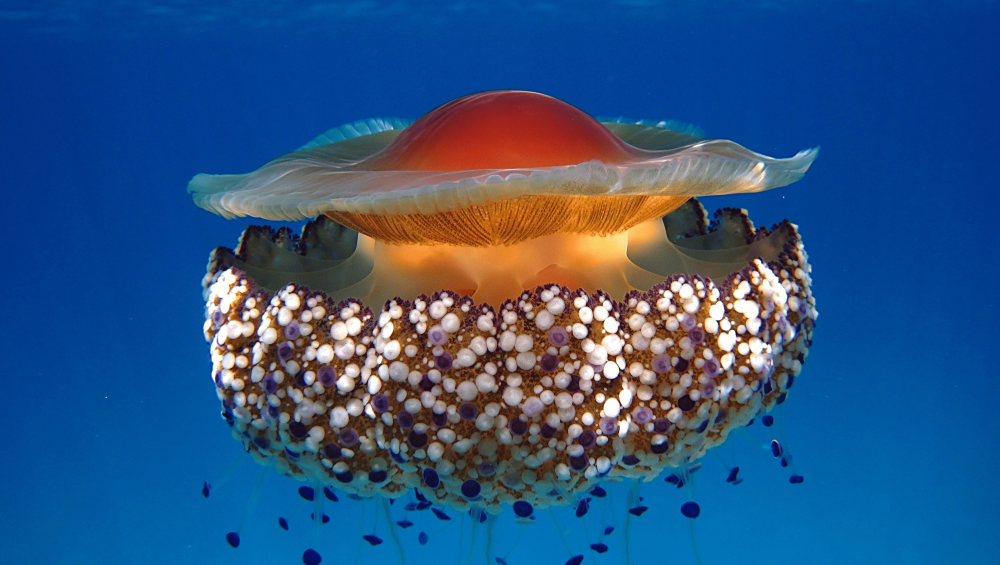
The Cotylorhiza tuberculata, or fried egg jellyfish, is another species that adds to the diversity of Sardinia’s marine life. Aptly named for its resemblance to a sunny-side-up egg, this jellyfish is characterized by its yellow central dome and radiating white arms. It is often found floating near the surface, where it feeds on plankton and small fish. The fried egg jellyfish is known for its symbiotic relationship with various juvenile fish species, which seek refuge among its tentacles, highlighting the intricate connections within the marine ecosystem.

THE ECOLOGY OF SARDINIA’S MARINE ENVIRONMENT

The marine environment of Sardinia is a complex and dynamic system, shaped by a variety of physical, chemical, and biological factors. The island’s coastal waters are characterized by their clarity and rich biodiversity, supported by a combination of warm temperatures, nutrient-rich currents, and diverse habitats. From rocky shores and sandy beaches to seagrass meadows and coral reefs, each ecosystem plays a vital role in sustaining the abundant marine life that calls Sardinia home.

Seagrass meadows, particularly those formed by the Posidonia oceanica, are one of the most important habitats in Sardinia’s marine environment. These underwater grasslands provide shelter and food for a wide range of species, including fish, crustaceans, and mollusks. They also play a crucial role in maintaining water quality by stabilizing sediments and absorbing nutrients. The presence of seagrass meadows is indicative of a healthy marine ecosystem, and their conservation is essential for the sustainability of marine life in the region.

Coral reefs, although less extensive than those found in tropical regions, are also present in the waters surrounding Sardinia. These reefs are formed by the accumulation of calcium carbonate skeletons produced by coral polyps, and they provide habitat and shelter for a diverse array of marine organisms. The reefs contribute to the island’s biodiversity by offering breeding grounds and feeding areas for numerous species. The health of these coral reefs is closely monitored, as they are sensitive to changes in water temperature and quality, making them important indicators of environmental health.

JELLYFISH LIFE CYCLE AND BEHAVIOR

Understanding the life cycle and behavior of jellyfish is key to appreciating their role in the marine ecosystem. Jellyfish undergo a complex life cycle that includes both sexual and asexual reproduction, allowing them to thrive in various environmental conditions.

  1. The life cycle begins with the release of eggs and sperm into the water, where fertilization occurs. The resulting larvae, known as planulae, settle on the ocean floor and develop into polyps.
  2. Polyps are stationary and can reproduce asexually by budding, producing tiny jellyfish known as ephyrae.
  3. These ephyrae eventually grow into adult medusae, the free-swimming stage most commonly recognized as jellyfish. This dual reproductive strategy allows jellyfish populations to increase rapidly under favorable conditions, contributing to their success as a species.

The ability to switch between sessile and motile stages enables jellyfish to exploit a wide range of habitats and resources. Behaviorally, jellyfish are known for their unique mode of locomotion. They move by contracting and relaxing their bell-shaped bodies, propelling themselves through the water with a rhythmic pulsation. This movement is not only efficient but also graceful, giving jellyfish their characteristic ethereal appearance. While they are often carried by currents, jellyfish can also exhibit vertical migration, moving up and down the water column to optimize their position for feeding and reproduction.

Jellyfish are opportunistic feeders, primarily consuming zooplankton, small fish, and other gelatinous organisms. Their tentacles are equipped with specialized cells called cnidocytes, which contain stinging structures known as nematocysts. These nematocysts can deliver a potent sting, immobilizing prey and facilitating ingestion. The feeding behavior of jellyfish plays a crucial role in controlling plankton populations, highlighting their importance in the marine food web.

THE ROLE OF JELLYFISH IN SARDINIA’S ECOSYSTEM

Jellyfish play a multifaceted role in Sardinia’s marine ecosystem, contributing to both the structure and function of the environment. As predators, they help regulate populations of plankton and small fish, maintaining a balance within the food web. Their feeding activities can influence the distribution and abundance of other marine organisms, creating a dynamic interplay between different species.

In addition to their role as predators, jellyfish also serve as prey for a variety of marine animals. Sea turtles, for example, are known to feed on jellyfish, with some species relying on them as a primary food source. This predation helps control jellyfish populations and prevents overabundance, which can have detrimental effects on the ecosystem. The presence of jellyfish in the diet of sea turtles highlights the interconnectedness of marine species and the importance of maintaining biodiversity.

Jellyfish also contribute to nutrient cycling within the marine environment. When jellyfish die, their bodies decompose, releasing nutrients back into the water. This process, known as marine snow, provides a critical source of organic matter for deep-sea ecosystems. The decomposition of jellyfish can enhance nutrient availability, supporting the growth of phytoplankton and other primary producers. This nutrient cycling is essential for sustaining the productivity and health of marine ecosystems.

SAFETY TUPS FOR SWIMMING NEAR JELLYFISH

While jellyfish are undoubtedly fascinating creatures, it is important to exercise caution when swimming near them. Their tentacles contain stinging cells that can cause discomfort or even serious injury, depending on the species and the individual’s sensitivity. By following a few simple safety tips, you can minimize the risk of jellyfish stings and enjoy a safe and memorable encounter with these marine wonders.

First and foremost, it is essential to stay informed about local jellyfish conditions before entering the water. Many beaches and coastal areas provide warnings and information about jellyfish presence, especially during peak seasons. Pay attention to any advisories or signage, and consult with lifeguards or local authorities if you have any concerns. Being aware of the current situation can help you make informed decisions about where and when to swim.

If you do encounter jellyfish while swimming, it is important to maintain a safe distance and avoid touching them. Jellyfish tentacles can still sting even if the jellyfish is dead or appears inactive. If you are stung, it is crucial to remain calm and seek immediate assistance. Rinse the affected area with seawater (not freshwater), as freshwater can exacerbate the sting. Removing any tentacles with tweezers or the edge of a credit card can help minimize the severity of the sting. Applying vinegar or a commercial jellyfish sting treatment can also provide relief and prevent further irritation.

Wearing protective clothing, such as a wetsuit or rash guard, can offer an additional layer of protection against jellyfish stings. These garments can reduce the likelihood of tentacles coming into direct contact with your skin. Additionally, swimming with a buddy and avoiding areas with high jellyfish concentrations can further enhance your safety. By taking these precautions, you can reduce the risk of jellyfish stings and enjoy your time in the water with confidence. Take a look our special guide about Snorkeling Activity

SAFETY TUPS FOR SWIMMING NEAR JELLYFISH

The conservation of jellyfish and marine life in Sardinia is of paramount importance, given the critical role these organisms play in the ecosystem. Efforts to protect and preserve Sardinia’s marine biodiversity are multifaceted, involving scientific research, habitat protection, and public awareness campaigns. These initiatives aim to ensure the long-term health and sustainability of the island’s marine environment.

One of the key conservation efforts in Sardinia is the establishment of marine protected areas (MPAs). These designated zones restrict human activities such as fishing, boating, and development, allowing marine ecosystems to recover and thrive. MPAs provide safe havens for jellyfish and other marine species, protecting their habitats from destructive practices. The Asinara National Park and the Tavolara-Punta Coda Cavallo Marine Protected Area are examples of MPAs in Sardinia that play a crucial role in conserving marine biodiversity.

Scientific research is another important aspect of jellyfish conservation. Researchers study jellyfish populations, their behavior, and their interactions with other marine organisms to gain a deeper understanding of their ecological importance. This knowledge is essential for developing effective management strategies and addressing potential threats. Monitoring programs track jellyfish blooms and their impact on the ecosystem, providing valuable data for conservation efforts.

Public awareness and education are also vital components of jellyfish conservation. By increasing awareness of the importance of jellyfish and the challenges they face, conservation organizations encourage responsible behavior and foster a sense of stewardship among the public. Educational programs, workshops, and outreach campaigns engage local communities, tourists, and stakeholders, promoting sustainable practices and the protection of marine life. These collective efforts contribute to the preservation of Sardinia’s rich marine heritage for future generations.

FASCINATING MYTHS AND FACTS ABOUT JELLYFISH

Jellyfish have long captivated human imagination, giving rise to a plethora of myths and misconceptions. These enigmatic creatures, with their otherworldly appearance and mysterious behavior, have inspired stories and legends across cultures. Separating fact from fiction can enhance our understanding and appreciation of jellyfish, revealing the true marvels of these gelatinous wonders.

One common myth is that all jellyfish are dangerous and deadly to humans. While it is true that some species possess potent venom capable of causing serious harm, the majority of jellyfish stings result in mild discomfort akin to a bee sting. Species such as the mauve stinger and the box jellyfish are known for their painful stings, but many others, like the moon jellyfish, pose little threat to humans. By exercising caution and respecting jellyfish in their natural habitat, encounters can be safe and awe-inspiring.

Another intriguing myth is the belief that jellyfish are immortal. This idea stems from the unique life cycle of certain jellyfish species, such as Turritopsis dohrnii, also known as the “immortal jellyfish.” This species has the remarkable ability to revert to its polyp stage after reaching maturity, essentially starting its life cycle anew. While this process can occur under specific conditions, it does not confer true immortality. Nonetheless, the regenerative capabilities of Turritopsis dohrnii highlight the astonishing adaptability and resilience of jellyfish.

Jellyfish have also been subjects of folklore and mythology, often symbolizing transformation and renewal. In Japanese culture, jellyfish are featured in the creation myth, where they are depicted as shapeshifting creatures involved in the formation of the islands. In Greek mythology, Medusa, one of the Gorgons, is often associated with jellyfish due to her snake-like hair and petrifying gaze. These mythical associations reflect the enduring fascination with jellyfish and their mystical qualities.

CONCLUSION: EMBRACING THE MYSTIQUE OF SARDINIA’S JELLYFISH

As we conclude our exploration of Sardinia’s mystical jellyfish, it becomes evident that these captivating creatures are more than mere inhabitants of the sea. They are integral to the marine ecosystem, contributing to biodiversity, nutrient cycling, and ecological balance. Their ethereal beauty and enigmatic behavior continue to mesmerize and inspire awe, inviting us to delve deeper into the wonders of the underwater world.

By understanding the unique species of jellyfish found in Sardinia, their life cycle, and their ecological roles, we gain a greater appreciation for their significance. The best locations for jellyfish spotting offer opportunities for unforgettable encounters, while safety tips ensure that these experiences are both enjoyable and secure. Conservation efforts highlight the importance of protecting marine life and fostering sustainable practices, ensuring that future generations can continue to marvel at the jellyfish’s splendor.

The myths and facts surrounding jellyfish remind us of the rich tapestry of human imagination and the enduring allure of the natural world. Embracing the mystique of Sardinia’s jellyfish encourages us to cherish and protect the marine environment, fostering a deeper connection with the ocean and its inhabitants. As we venture into the shimmering waves of Sardinia, let us celebrate the mystical jellyfish and the magic they bring to this Mediterranean paradise.

BEST SNORKELING SPOTS IN SARDINIA

Sardinia offers a plethora of snorkeling spots, each with its own unique charm and attractions. Here are some of the best snorkeling sites that you shouldn’t miss during your visit:

  • Archipelago of La Maddalena: Located off the northeastern coast of Sardinia, the Archipelago of La Maddalena is a national park renowned for its breathtaking beauty. Here, you’ll find a collection of islands and islets surrounded by crystal clear waters teeming with marine life. Snorkelers can explore the colorful underwater landscapes, swim alongside curious fish, and even encounter friendly dolphins if they’re lucky. The stunning beaches and secluded coves also make for idyllic spots to relax and soak in the natural beauty of the surroundings.
  • Nurra Area: Nestled in the stunning Alghero region, the wild beaches of the Nurra area are true hidden gems of Sardinia. These remote stretches of coastline feature powdery white sand and crystal-clear azure waters, ideal for snorkeling. Dramatic rock formations shape a fascinating underwater landscape, rich with vibrant sea flora and schools of colorful fish. As you explore, keep an eye out for octopuses, small fish, and other captivating marine life that thrive in this untouched corner of the island.
  • Cala Mariolu: Located on Sardinia’s eastern coast, Cala Mariolu is a hidden paradise accessible by boat. Its secluded location ensures that the waters remain pristine, providing an ideal setting for snorkeling enthusiasts. The crystal clear waters of Cala Mariolu are known for their rich biodiversity, with colorful fish and marine plants creating a vibrant underwater ecosystem. Explore the underwater caves and crevices, and marvel at the natural beauty that abounds in this secluded snorkeling spot.

These are just a few examples of the incredible snorkeling spots that Sardinia has to offer. Whether you prefer rocky coastlines, sandy beaches, or hidden coves, there’s a snorkeling spot in Sardinia that will captivate your imagination and leave you in awe of the underwater world.

Seadas | Food Tour Sardinia with dranexperience.com

Indulge in the Flavors of Sardinia: A Delicious Food Tour

Food is the passport to a thousand journeys, each bite an adventure.

Embark on a culinary adventure through the enchanting island of Sardinia, where every bite is a delight for your taste buds. Sardinia, a haven for food enthusiasts, boasts a rich gastronomic heritage that combines rustic simplicity with bold flavors. From traditional sheep’s milk cheese to hearty pasta dishes and aromatic seafood, the island’s cuisine reflects its diverse landscapes and vibrant culture. In this mouthwatering food tour, we will take you on a journey to discover the hidden gems of Sardinian cuisine, from bustling local markets to charming trattorias. So pack your appetite and join us as we indulge in the flavors of this captivating island paradise. Looking for a local guide for a multi-day tour? Check out this page

TRADITIONAL SARDINIAN DISHES AND INGREDIENTS

Sardinia is renowned for its unique culinary landscape, characterized by traditional dishes that celebrate the island’s rich agricultural heritage.

  • One of the most iconic dishes is Malloreddus, a type of pasta made from semolina flour and water, often flavored with saffron. This dish is typically served with a hearty tomato and sausage sauce, showcasing the island’s penchant for bold, rustic flavors. The preparation of Malloreddus is an art in itself, as the small, ridged pasta is hand-rolled and shaped, making it a beloved staple in Sardinian households.
  • Another beloved dish is Porceddu, which is roasted suckling pig seasoned with myrtle and slow-cooked over an open flame. This traditional dish embodies the essence of Sardinian cooking, where simplicity meets flavor. The crispy skin and tender meat create a symphony of textures and tastes that are simply irresistible. Accompanied by local roasted potatoes or seasonal vegetables, Porceddu is often the centerpiece of festive gatherings and celebrations, proving that food is an integral part of Sardinian culture.
  • Cheese lovers will delight in Pecorino Sardo, a sheep’s milk cheese that ranges from mild to sharp in flavor depending on its aging process. This cheese is not only a common ingredient in many dishes but also a staple on Sardinian tables, often enjoyed with local honey or fig jam. The craftsmanship behind Pecorino Sardo showcases the island’s pastoral roots, where sheep farming has been a tradition for centuries. Sardinia’s rich biodiversity contributes to the distinct flavors of its cheeses, making them a must-try for anyone visiting the island.

REGIONAL VARIATIONS IN SARDINIAN CUISINE

Sardinia’s diverse landscapes and cultural influences have resulted in regional variations that add depth to its culinary scene. The coastal areas, for instance, boast a wealth of seafood dishes that reflect the island’s connection to the Mediterranean Sea. Frittura di Pesce, a mixed fried fish platter, is a popular choice among locals and visitors alike. The dish features a variety of freshly caught fish, lightly battered and fried to perfection, often accompanied by a side of lemon and aioli. This celebration of fresh ingredients highlights the importance of the sea to Sardinian gastronomy.

In contrast, the interior regions of Sardinia focus more on heartier fare, with dishes like Culurgiones, which are stuffed pasta parcels filled with potatoes, mint, and cheese. This dish exemplifies the agricultural heritage of the island, as it makes use of locally sourced ingredients. The preparation of Culurgiones is a labor-intensive process, often passed down through generations, and they are typically served with a simple tomato sauce or drizzled with olive oil. This regional specialty showcases the creativity and resourcefulness of Sardinian cooks throughout history.

Furthermore, Sardinia’s culinary landscape is also influenced by various historical factors, including the presence of different cultures over the centuries. The Arab influence, for instance, can be seen in dishes that incorporate spices and ingredients like saffron and couscous. Couscous alla Gallurese, a dish originating from the Gallura region, combines couscous with local fish and vegetables, illustrating the fusion of flavors that characterizes Sardinian cuisine. Each region tells a story through its food, making the exploration of these variations a fascinating aspect of any culinary journey across the island.

POPULAR SARDINIAN FOOD FESTIVALS AND EVENTS

To truly immerse yourself in the culinary traditions of Sardinia, attending local food festivals is an unforgettable experience. One of the most celebrated events is Sa Sartiglia, held in Oristano, which not only features thrilling horse races but also showcases traditional Sardinian cuisine. Food stalls offer visitors a taste of local specialties like Pane Carasau, a thin, crispy flatbread, and Seadas, a delectable dessert filled with cheese and drizzled with honey. The festival is a vibrant celebration of culture, where locals and tourists alike gather to savor the flavors of Sardinia.

Another significant event is the Festa della Sagra del Riso, dedicated to rice dishes, particularly those made with local varieties. This festival takes place in the town of Villasalto and features cooking competitions, tastings, and demonstrations. Visitors can sample various rice-based dishes, including Risotto alla Pescatora, which showcases the island’s seafood bounty. The festival emphasizes the importance of rice in Sardinian cuisine, particularly in areas where agriculture thrives, making it a delightful opportunity for food enthusiasts to explore new flavors.

In the autumn, the Sagra del Vino celebrates Sardinia’s esteemed wine production, with vineyards opening their doors to visitors for tastings and tours. This festival highlights the island’s indigenous grape varieties, such as Cannonau and Vermentino, providing an opportunity to pair exquisite local wines with traditional dishes. The event often features live music, artisanal markets, and cooking workshops, creating a festive atmosphere that attracts wine lovers from all over. Participating in these festivals allows you to engage directly with the local culture and discover the stories behind Sardinian cuisine.

MUST-VISIT RESTAURANTS AND STREET FOOD IN SARDINIA

Sardinia is home to a plethora of dining options that range from charming trattorias to Michelin-starred restaurants. One must-visit establishment is Ristorante Da Antonio in Cagliari, known for its authentic Sardinian dishes made from fresh, local ingredients. The menu often features seasonal offerings, allowing diners to experience the flavors of the island in their truest form. The welcoming atmosphere and attentive service make it a perfect spot for both casual meals and special occasions.

For those seeking a more casual experience, indulging in street food is a must. Sardinia’s bustling cities are dotted with food stalls where you can find local specialties like Focaccia di Recco, a thin, cheese-filled flatbread, and Civraxiu, a rustic loaf of bread often served with cured meats and cheeses. The vibrant street food culture allows you to sample a variety of dishes on the go while experiencing the lively ambiance of Sardinian urban life.

Another gem is Alguer Mia Restaurant in Alghero, a family-run restaurant renowned for its seafood dishes. The fresh catch of the day is celebrated here, with options like Spaghetti alle Vongole (spaghetti with clams) and Grigliata di Pesce (grilled fish platter). The restaurant’s rustic charm and commitment to quality make it a beloved destination for both locals and visitors. Dining at these establishments not only satisfies your palate but also offers insight into the island’s culinary traditions and the passion of its people.

EXPLORING THE LOCAL MARKETS AND FOOD SHOPS IN SARDINIA

One of the best ways to experience the culinary heart of Sardinia is by visiting its local markets, where the vibrant colors, enticing aromas, and lively atmosphere come together to create a feast for the senses. The Mercato di San Benedetto in Cagliari is one of the largest and most famous markets on the island, offering everything from fresh seafood and meats to seasonal fruits and vegetables. Here, you can engage with local vendors, sample regional delicacies, and even pick up some ingredients to take home. The market is a hub of activity, bustling with locals shopping for their daily meals, making it a great place to immerse yourself in the local culture.

In addition to larger markets, Sardinia is dotted with small food shops and artisan producers who specialize in traditional products. Salumeria Piras in Olbia is renowned for its cured meats, particularly Prosciutto di Sardegna and Salsiccia Sarda. Visiting such shops allows you to taste high-quality products and learn about the traditional methods of production. Many of these establishments are family-owned, and the owners are often eager to share their knowledge and passion for Sardinian food.

Another must-visit is La Bottega dei Sapori in Nuoro, which offers a selection of local cheeses, wines, and preserves. This quaint shop perfectly encapsulates the essence of Sardinian culinary heritage, showcasing artisanal products that reflect the island’s agricultural bounty. Exploring these local markets and food shops not only enhances your culinary journey but also provides a deeper understanding of the island’s traditions and the importance of local sourcing in Sardinian cuisine.

SARDINIA WINE AND CHEESE TASTING EXPERIENCES

Sardinia’s culinary landscape is incomplete without indulging in its exceptional wines and cheeses, both of which have garnered recognition on the international stage. The island is particularly famous for its indigenous grape varieties, such as Cannonau, known for its deep color and rich flavors, and Vermentino, a refreshing white wine with floral notes. Wineries across the island offer tasting experiences where visitors can sample these wines paired with local cheeses and cured meats.

One notable winery is Cantina Sociale della Gallura, located in the picturesque Gallura region. Here, guests can enjoy guided tours through the vineyards, followed by tastings of their award-winning Cannonau wines. The vineyard’s stunning views of rolling hills and lush grapevines create a serene backdrop for an unforgettable experience. Pairing the wines with Pecorino Sardo or Ricotta Salata enhances the tasting experience, allowing you to appreciate the harmonious relationship between Sardinian wines and cheeses.

Additionally, Alghero is home to several wine bars that specialize in local wines, offering curated tasting flights that allow you to explore the nuances of Sardinian viticulture. Bar Caffe’ del Porto is a popular spot to sample wines alongside traditional appetizers, creating a casual yet enriching experience. The knowledgeable staff are often eager to share insights into the various wines, making it an ideal stop for wine enthusiasts eager to learn more about the island’s unique offerings. Engaging in these tasting experiences not only satisfies your palate but also deepens your appreciation for Sardinia’s rich winemaking and cheesemaking traditions.

COOKING CLASSES AND CULINARY TOURS

For those looking to enhance their culinary skills while immersing themselves in Sardinian culture, participating in cooking classes and culinary tours is a fantastic option. Many local chefs and cooking schools offer hands-on experiences where participants can learn to prepare traditional dishes using fresh, local ingredients. One popular class is offered by Cook in Sardinia, where participants can learn how to make classic dishes like Gnocchi di Patate and Fregola (a type of Sardinian pasta) while enjoying a warm, welcoming atmosphere.

Culinary tours can also provide a comprehensive overview of Sardinian cuisine. These tours often include visits to local markets, where participants can select ingredients and learn about their significance in Sardinian cooking. Following the market visit, the tour typically leads to a cooking session in a traditional kitchen, where participants can prepare and enjoy a meal together. This immersive experience allows for a deeper connection to the culinary traditions of Sardinia while fostering a sense of community among participants.

Additionally, some tours focus on specific themes, such as wine and cheese pairings or foraging for wild herbs and mushrooms. These experiences showcase the diversity of Sardinian cuisine and highlight the importance of seasonal and local ingredients. Engaging in cooking classes and culinary tours not only equips you with new culinary skills but also creates lasting memories of your gastronomic journey through Sardinia.

CONCLUSION: EMBARK ON A CULINARY JOURNEY IN SARDINIA

Embarking on a culinary journey through Sardinia is an experience that tantalizes the senses and enriches the soul. The island’s rich gastronomic heritage, rooted in tradition and characterized by bold flavors, invites you to explore its diverse landscapes through its food. From the rustic charm of traditional dishes like Malloreddus and Porceddu to the vibrant atmosphere of local markets and festivals, every aspect of Sardinian cuisine tells a story that reflects the island’s culture and history.

As you navigate through the local restaurants, street food stalls, and artisan shops, you’ll discover the passion and dedication that Sardinians pour into their food. Engaging in cooking classes and tastings not only enhances your culinary skills but also creates connections with the locals, allowing for a deeper appreciation of their way of life. The vibrant culinary scene, coupled with the breathtaking landscapes and rich history, makes Sardinia a true paradise for food enthusiasts.

So, whether you’re savoring a glass of Cannonau while gazing at the sunset over the Mediterranean or joining a lively food festival, Sardinia promises a feast for the senses that you will cherish long after your journey ends. Pack your bags, bring your appetite, and prepare for an unforgettable adventure that celebrates the flavors of this enchanting island. Contact us for private and tailored experiences in Sardinia.

The Prestige of Sardinia: Why It’s the Next Must-Visit High-End Destination

This land resembles no other place. Sardinia is something else. Enchanting spaces and distances to travel-nothing finished, nothing definitive. It is like freedom itself.

Sardinia, a hidden Mediterranean gem, has long been admired for its pristine beaches, rich cultural heritage, and exclusive experiences. Yet, in recent years, it has emerged as a top-tier luxury destination, attracting discerning travelers looking for an elevated, authentic, and private escape. As a local expert and guide, I have the privilege of unveiling the most prestigious ways to experience Sardinia in true opulence. Whether it’s through private yacht charters, Michelin-starred dining, or exclusive cultural experiences, Sardinia is redefining high-end travel. Looking for a local guide for a multi-day tour? Check out this page

SARDINIA: THE NEXT EXCLUSIVE MEDITERRANEAN DESTINATION

Sardinia is no longer just an Italian island getaway, it is becoming the next big Sardinia destination for those seeking refined travel, privacy, and world-class experiences. Unlike more crowded luxury hotspots such as the Amalfi Coast or Ibiza, Sardinia offers seclusion without sacrificing sophistication. Here’s why elite travelers are turning their sights to this Mediterranean paradise:

  • Untouched Natural Beauty: With its emerald waters, secret beaches, and rugged cliffs, Sardinia remains one of the least commercialized high-end islands in Europe.
  • Discreet and Private: Celebrities, VIPs, and affluent travelers favor Sardinia for its low-profile yet ultra-luxurious accommodations and services.
  • Authenticity & Elegance: Sardinia balances traditional Italian charm with five-star indulgence, offering exclusive travel experiences you won’t find anywhere else.

BESPOKE LUXURY EXPERIENCES IN SARDINIA

As a local expert specializing in high-end travel, I offer a curated selection of extraordinary Sardinia experiences, ensuring every traveler gets a tailor-made luxury journey. Here are some of the most prestigious ways to explore the island:

Private Yacht Charters & Exclusive Coastal Escapes

Sardinia’s untouched coastline and island archipelagos make it a premier sailing destination. Charter a private yacht to:

  • Explore the La Maddalena Archipelago, a protected area of turquoise lagoons and secluded beaches.
  • Visit hidden coves only accessible by boat, ensuring ultimate privacy.
  • Experience a gourmet seafood dining experience onboard, prepared by a personal chef.

Gourmet Dining & Wine Tasting

Sardinia is home to Michelin-starred restaurants, renowned vineyards, and centuries-old culinary traditions. Enjoy:

  • Exclusive wine tastings at hidden boutique wineries, sampling Cannonau and Vermentino wines.
  • Private dining experiences in historic estates, savoring freshly caught seafood and farm-to-table delicacies.
  • Authentic Sardinian cooking classes with expert chefs, blending tradition and refinement.

Secluded 5-Star Resorts & Villas

For those seeking absolute tranquility and comfort, Sardinia offers some of the most exclusive accommodations in Europe:

  • Private beachfront villas with infinity pools and full concierge services.
  • Luxury boutique hotels nestled in the cliffs, offering panoramic sea views.
  • Eco-luxury retreats that blend Sardinia’s natural beauty with modern indulgence.

SARDINIA’S RICH CULTURAL TAPESTRY – BEST TIME TO VISIT THE ISLAND

Sardinia’s prestige is not just about its beaches, it’s also about its deep cultural roots and immersive experiences:

  • VIP access to Sardinia’s historic landmarks, including ancient Nuragic sites and private museum tours.
  • Personalized cultural events, such as attending a traditional Sardinian festival in a remote village.
  • Private artisan experiences, where you can watch master craftsmen create handwoven textiles and intricate gold jewelry.

To experience Sardinia at its most serene and luxurious, timing is key:

  • May – June & September – October: Perfect for privacy, ideal weather, and fewer crowds.
  • July – August: Peak season for the glamorous elite, featuring VIP parties and exclusive yacht gatherings.
  • Winter months: Best for wine lovers and those seeking cultural immersions away from the tourist rush.

WHY SARDINIA IS THE FUTURE OF LUXURY TRAVEL

The demand for exclusive and authentic travel has never been higher, and Sardinia is stepping into the spotlight as one of the last untouched high-end destinations in the Mediterranean. With its discreet luxury, personalized experiences, and pristine environment, Sardinia is poised to become the go-to escape for those who value prestige and authenticity.

Experience Sardinia Like a True Insider

As a local expert in luxury travel, I help travelers uncover Sardinia’s most exclusive experiences. Whether you dream of sailing through turquoise waters, indulging in a Michelin-starred meal, or staying in a secluded villa, I can craft the perfect itinerary for your ultimate Sardinia destination.

Ready to Experience Sardinia in Unparalleled Luxury? Let’s create your bespoke high-end journey today. Contact us to start planning your exclusive Sardinia experience!

Massages | Sardinia Luxury SPAS with dranexperience.com

Wellness Retreats: Sardinia’s Top Luxury Spas and Resorts

Sometimes you have to just let go…. and have a spa day!

Sardinia is more than just crystal-clear waters and breathtaking landscapes, it’s a sanctuary for those seeking ultimate relaxation, rejuvenation, and high-end wellness experiences. Whether you’re looking for a secluded spa retreat, a five-star resort with world-class wellness services, or a private holistic getaway, Sardinia has positioned itself as a premier luxury spa destination in the Mediterranean.

As local experts in bespoke travel, we know exactly where to find the most exclusive, tranquil, and revitalizing experiences on the island. This guide will introduce you to the best Sardinia luxury spa retreats, from holistic wellness escapes to opulent resorts that redefine relaxation.

Looking for a local guide for a multi-day tour? Check out this page

WHY SARDINIA IS A THE ULTIMATE LUXURY SPA DESTINATION

Sardinia’s unique natural elements and wellness traditions make it one of the most sought-after destinations for those looking to unwind and recharge. Here’s why it stands out:

  • Natural Healing Properties: The island is home to thermal waters, mineral-rich mud, and pure sea air, all known for their therapeutic benefits.
  • Tranquility & Privacy: Unlike more commercialized destinations, Sardinia offers a sense of seclusion and exclusivity, ideal for those seeking true relaxation.
  • World-Class Spa Resorts: Many of Sardinia’s top luxury hotels feature award-winning spas with tailored treatments, hydrotherapy pools, and holistic programs.
  • Blue Zone Benefits: Sardinia is one of the world’s renowned Blue Zones, where locals live long, healthy lives—making it the perfect place to explore wellness traditions inspired by longevity.

THE BEST LUXURY SPAS AND WELLNESS RESORTS IN SARDINIA

Here’s our expert-curated list of the finest Sardinia luxury spa destinations:

Forte Village Resort – Acquaforte Thalasso & Spa (Santa Margherita di Pula)

A leader in luxury wellness, this spa blends Thalassotherapy (seawater therapy) with personalized health and beauty treatments:

  • Six seawater pools offering detoxifying and anti-aging benefits.
  • Holistic wellness programs tailored to stress relief and muscle recovery.
  • Private medical spa services, including detox plans and high-end facial treatments.
  • Luxury suites & villas offering the ultimate in comfort and exclusivity.

Petra Segreta Resort & Spa (San Pantaleo)

A true hidden gem in the hills above the Costa Smeralda, offering a serene, nature-immersed retreat:

  • Open-air spa pavilions overlooking the Sardinian countryside.
  • Ayurvedic therapies and personalized holistic programs.
  • Organic farm-to-table cuisine, complementing a balanced wellness journey.
  • Private yoga & meditation sessions tailored to your needs.

Pitrizza, A Luxury Collection Hotel & Spa (Costa Smeralda)

This exclusive retreat is perfect for those looking for absolute privacy and tranquility:

  • Personalized wellness programs including massages and body treatments with Sardinian ingredients.
  • Infinity pools with sea views, blending relaxation with breathtaking scenery.
  • Private spa suites with customized therapies for ultimate rejuvenation.

Abi d’Oru Thalasso & Spa (Porto Rotondo)

Located in one of the most prestigious areas of Sardinia, this spa offers:

  • Thalassotherapy treatments using seawater’s natural healing properties.
  • Luxury thermal circuit featuring hydrotherapy pools and steam baths.
  • Custom detox programs combined with holistic relaxation techniques.

Villa Las Tronas Hotel & Spa (Alghero)

An iconic retreat offering royal-level luxury with an intimate atmosphere:

  • Exclusive sea-view spa treatments in a historic setting.
  • Private access to thermal pools and high-end beauty treatments.
  • Tailored relaxation programs focused on rejuvenation and stress relief.

Hotel Romazzino, A Belmond Hotel & Spa (Costa Smeralda)

A sanctuary of elegance and wellness on Sardinia’s famous Emerald Coast:

  • Signature spa treatments inspired by Mediterranean traditions.
  • Private beachfront relaxation zones for complete tranquility.
  • Tailored wellness programs including personalized massages and facials.

TAILOR-MADE WELLNESS EXPERIENCES IN SARDINIA

As local travel experts, we don’t just recommend spas—we design exclusive, customized wellness retreats for discerning travelers. Here’s how we can elevate your Sardinia luxury spa experience:

  • Private Spa Journeys: Enjoy an exclusive spa day with VIP access, private relaxation areas, and personal wellness consultations.
  • Luxury Wellness Retreats: Stay in a secluded villa or five-star resort, where every aspect of your trip is curated for your well-being.
  • Holistic Healing & Longevity Experiences: Discover Blue Zone-inspired wellness programs, combining detox plans, mindfulness sessions, and natural therapies.
  • Gourmet & Nutrition Experiences: We arrange private dining with nutritionists and Michelin-starred chefs who specialize in healthy, organic, and detoxifying cuisine.
  • Adventure & Wellness: Blend relaxation with yoga on the beach, hiking through Sardinia’s unspoiled landscapes, and exclusive sailing trips to enhance both mind and body wellness.

WHEN TO VISIT FOR THE BEST WELNESS EXPERIENCE?

For the ultimate luxury spa retreat in Sardinia, timing is key:

  • Spring (April – June): Perfect for mild weather, blooming landscapes, and quiet spa retreats.
  • Late Summer (September – October): Ideal for warm sea temperatures and post-peak season exclusivity.
  • Winter (November – March): Best for private, customized wellness escapes with minimal crowds and special seasonal spa packages.

EXPERIENCE SARDINIA’S LUXURY WELNESS RETREAT LIKE AN INSIDER

Sardinia is more than just a place to visit, it’s a sanctuary for the soul. Whether you’re looking for a one-day indulgence or a week-long wellness immersion, the island offers world-class spa retreats and healing experiences that rival the best in the world.

Ready to Relax in Luxury? Let’s Plan Your Dream Wellness Retreat!

As local Sardinia experts, we specialize in crafting bespoke spa and wellness experiences tailored to your needs. Contact us today to design your exclusive Sardinian escape, your ultimate relaxation journey awaits!